
 James

You can feel it before you can explain it. The response that used to be automatic now needs coaxing. Mornings are quieter than they were. Somewhere in there you started hoping the night goes well instead of knowing it will, and if you are being honest with yourself, that shift happened a while ago. Men go looking for the culprit everywhere except the plate. Meanwhile the same handful of foods keeps turning up in the research on erectile dysfunction risk, and they all hit the same target: the blood flow that decides how you show up when it counts.
This guide covers:
- How everyday food choices decide what happens after dark
- The four food categories most strongly tied to higher risk
- What to eat instead, with practical swaps
- Where supplements fit once the diet is handled
- At a Glance
- How Diet Ends Up Affecting Erectile Function
- The Worst Foods for Erectile Dysfunction
- What to Eat Instead
- Where Supplements Fit After the Diet Is Handled
- Diet and Erectile Health: The Bottom Line
- Key Takeaways
- Frequently Asked Questions
- What are the worst foods for erectile dysfunction?
- Can changing my diet really improve erections?
- Is alcohol bad for erectile function?
- Do beets actually help with blood flow?
- How long does it take for diet changes to make a difference?
- Should I see a doctor about erectile dysfunction or just fix my diet?
At a Glance
| Takeaway | Detail |
| Erections run on blood flow | Anything that damages blood vessels over time also works against how reliably you rise to the occasion |
| Fried food is the worst offender | Oils used in deep frying promote the vessel damage most closely tied to erectile trouble |
| Processed meat carries real risk | Men eating the most red and processed meat had a measurably higher rate of new erectile dysfunction in cohort research |
| Sugar attacks indirectly | Added sugar drives weight gain and blood sugar problems, both established risk factors |
| Heavy drinking works against you | Research found the highest alcohol intakes were associated with slightly higher risk, while moderate intake was not |
| The fix is a pattern, not a superfood | Men eating closest to a Mediterranean-style pattern had the lowest risk of developing erectile dysfunction |
| Younger men benefit most | The protective link between healthy eating and erectile function was strongest in men under 60 |
How Diet Ends Up Affecting Erectile Function
Everything you want to happen in that moment is a vascular event. Arousal triggers a release of nitric oxide, the vessels feeding the penis relax and widen, and blood floods in faster than it leaves. Interfere with any part of that plumbing and the whole sequence gets less dependable, usually years before you clock a single off night. Cardiologists have a blunt way of putting it: trouble in the bedroom is often the heart sending its first warning where a man is guaranteed to pay attention.
And the evidence here is better than you would guess for a topic this dodged. A 2020 study published in JAMA Network Open followed 21,469 US men aged 40 to 75 for over a decade and tracked what they ate against who went on to develop erectile dysfunction. Among men under 60, the highest adherence to a Mediterranean-style diet came with a 22 percent lower relative risk of developing it than the lowest adherence. Older men saw a smaller version of the same protection.
The component-level data is where it gets personal. Higher intakes of vegetables, fruits, nuts, legumes, and fish each tracked with lower risk. More red and processed meat tracked with higher risk. Same foods your doctor already nags you about, in other words. The heart and the bedroom keep one set of books.
The Worst Foods for Erectile Dysfunction
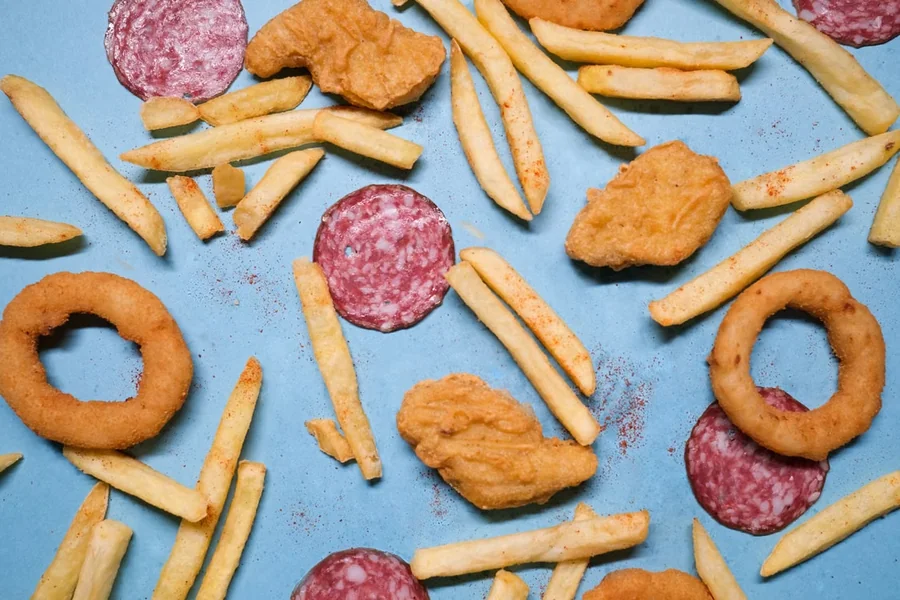
Let’s be clear that no single meal ends a man’s run. What the research describes is a pattern of eating that slowly drains the pressure out of the system until the body stops delivering what it used to deliver without being asked. Four categories do most of the damage. The usual suspects, honestly, and a simple filter catches them: if a food would worry your cardiologist, it is working against your evenings too.
Deep-fried foods. Frying oil delivers the saturated fats and oxidized compounds that inflame and stiffen blood vessel walls. Trans fats, once standard in commercial frying, were considered harmful enough to endothelial function that the FDA moved to ban them from the US food supply in 2015. Fries and fried chicken sit at the top of this list, along with basically anything that came out of a basket.
Processed and red meat. Bacon, sausage, deli meat. Heavy saturated fat plus heavy sodium. In the JAMA Network Open cohort, men in the higher intake groups for red and processed meat had up to a 21 percent higher rate of incident erectile dysfunction than men eating the least. The Saturday fry-up counts, unfortunately.
Added sugar and refined carbohydrates. White bread, pastries, soda, the whole snack aisle. These spike blood sugar and drive weight gain, and obesity and type 2 diabetes are two of the most established risk factors for erectile dysfunction. Sugar feeds both.
Heavy alcohol. The cohort data found the highest intakes associated with modestly elevated risk; moderate drinking was not. Every man over 40 already knows the short version from experience anyway. The third drink promises confidence and delivers an apology. One with dinner is fine.
What to Eat Instead
The replacement plan is more substitution than restriction, which makes it easier said than done rather than impossible. The same cohort research that flagged processed meat also identified the foods pulling risk the other way, and most of them either feed nitric oxide production directly or protect the vessel lining that produces it. Nutritionists who work with men in midlife tend to repeat one piece of advice: change the default, not the occasional indulgence. The blood vessels record the pattern across years and ignore the birthday dinner.
| Instead of | Reach for | Why it helps |
| Fried sides | Roasted vegetables, leafy green salads | Vegetables tracked with lower erectile dysfunction risk; greens supply dietary nitrates the body converts toward nitric oxide |
| Bacon and deli meat | Salmon, sardines, mackerel | Fish intake tracked with lower risk; omega-3 fats support the vessel lining |
| White bread and pastries | Whole grains, lentils, beans | Legumes were among the protective foods, and steadier blood sugar protects vessels |
| Salty snack foods | Nuts | Fruit and nut intake together tracked with lower risk in the cohort data |
| A third drink | Sparkling water, or stopping at one or two | The highest alcohol intakes carried modestly higher risk |
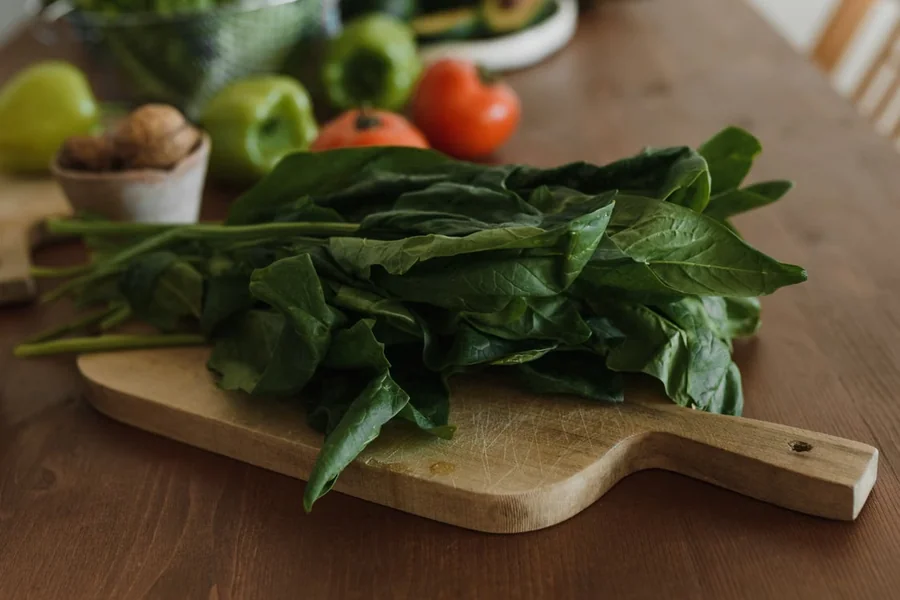
Beets deserve their own mention. Along with spinach and arugula, they are among the richest food sources of dietary nitrates, which the body can convert along the pathway that ends in nitric oxide. Men in the know have quietly made them a staple, and she never has to know the salad had a motive.
About timelines, since everyone asks sooner or later: vascular damage accumulates slowly and repairs slowly. Think months. Some men notice differences earlier, plenty do not, and the ones who treat it as a six-week stunt tend to end up back where they started.
Where Supplements Fit After the Diet Is Handled
Once the plate is pointed in the right direction, though, plenty of men layer in daily support aimed at the same mechanism, handled quietly, the way most men would rather handle this whole subject. UltimaPeak is one of the brands built for that buyer, and to its credit it names its ingredients plainly instead of hiding them. Its collection of UltimaPeak ED gummies centers on shilajit paired with L-Arginine and Panax Ginseng, ingredients commonly used to support nitric oxide production and healthy blood flow. The format is the other half of the appeal. A chewable with your morning coffee is a routine you actually keep.
The fine print matters, so hold every brand to it: supplements in this category are formulated to support circulation and performance, not to treat or cure erectile dysfunction, and anyone with an ongoing problem should talk to a doctor first, since erectile trouble can signal cardiovascular issues worth catching early.
Diet and Erectile Health: The Bottom Line
The foods most strongly tied to erectile dysfunction are the ones that damage blood vessels: fried food, processed meat, added sugar, and heavy alcohol. The foods tied to lower risk are the recognizable staples of a Mediterranean-style pattern, and a decade-long cohort study found the men who ate that way were meaningfully less likely to develop the problem at all.
Key Takeaways
- Make one swap this week and keep it: replace the default fried side or deli-meat lunch with vegetables, fish, or legumes
- Add a daily nitrate source such as beets, spinach, or arugula to feed the nitric oxide pathway directly
- Cap alcohol at one or two drinks and treat anything beyond that as borrowing against the rest of the night
The encouraging part of the research is that the strongest protective link showed up in men under 60, so the earlier the pattern changes, the more nights there are to protect. The plate is one of the few risk factors entirely under your control. Start with lunch tomorrow.
Frequently Asked Questions
What are the worst foods for erectile dysfunction?
Deep-fried foods, processed and red meats, added sugars and refined carbohydrates, and heavy alcohol are the categories most consistently linked to higher risk. They share a common mechanism: each one damages blood vessels or promotes the conditions, like obesity and diabetes, that restrict the blood flow an erection depends on.
Can changing my diet really improve erections?
Research supports the connection. A large cohort study in JAMA Network Open found men who ate closest to a Mediterranean-style pattern had the lowest risk of developing erectile dysfunction, with the strongest effect in men under 60. Diet changes work gradually through vascular health, so expect months rather than days.
Is alcohol bad for erectile function?
Heavy drinking is. The highest alcohol intakes in cohort research were associated with modestly higher risk, and long-term heavy use affects both circulation and the nerves involved in arousal. Moderate intake, in the range of a drink or two, was not associated with increased risk in the same data.
Do beets actually help with blood flow?
Beets are one of the richest food sources of dietary nitrates, which the body can convert along the pathway that produces nitric oxide, the molecule that relaxes blood vessels. That is why beets, along with leafy greens like spinach and arugula, are staples of blood-flow-focused eating.
How long does it take for diet changes to make a difference?
There is no fixed timeline. Vascular health improves gradually, and the research linking diet to erectile function tracked eating patterns over years. A reasonable expectation is steady improvement across months of consistent eating, alongside the other levers your doctor keeps mentioning: exercise, sleep, not smoking.
Should I see a doctor about erectile dysfunction or just fix my diet?
See a doctor, especially if the change came on noticeably. Erectile dysfunction can be an early signal of cardiovascular disease, diabetes, or low hormone levels, all worth diagnosing properly. Diet improvements are worthwhile regardless of the cause. They just work best alongside a real medical picture, not instead of one.
