 James
James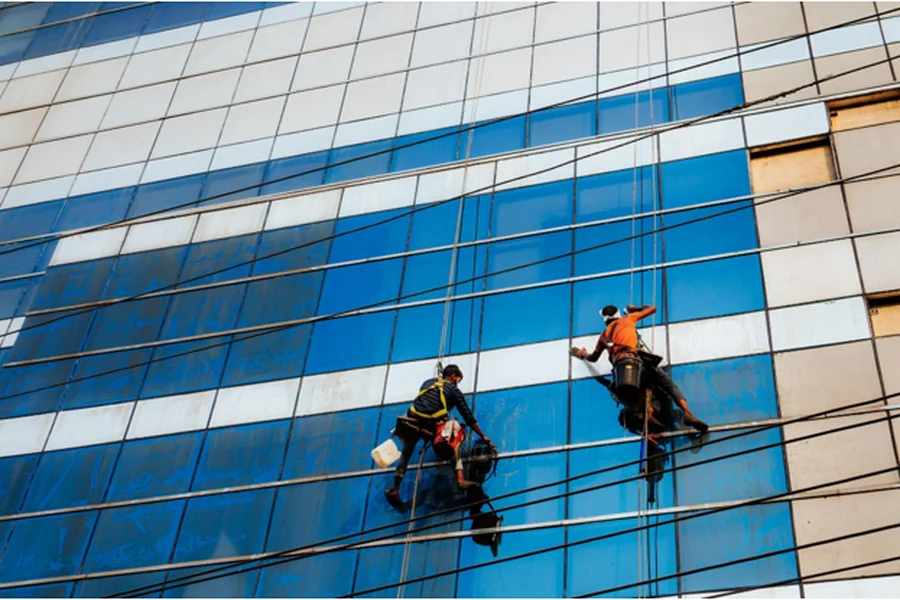
Maintenance is easy to postpone when everything appears to be working. A minor leak, dirty exterior surface, worn door seal, or slightly noisy piece of equipment rarely feels as urgent as payroll, inventory, sales, or other immediate business expenses.
The financial problem is that small maintenance issues rarely become cheaper with time. They can increase energy consumption, shorten equipment life, damage surrounding materials, interrupt operations, and eventually require emergency repairs. A sensible maintenance schedule therefore isn’t simply about keeping a property looking presentable. It can protect the assets a business has already paid for.
- Keep Exterior Surfaces and Work Areas Clean
- Service HVAC Systems Before Something Fails
- Inspect Roofs, Gutters, and Drainage
- Maintain Doors, Windows, and Seals
- Look After Equipment That Generates Revenue
- Check Plumbing Before Small Leaks Become Large Ones
- Maintain Parking Lots, Paths, and High-Traffic Areas
- Build Maintenance Into the Budget
Keep Exterior Surfaces and Work Areas Clean
Exterior cleaning is sometimes treated primarily as a cosmetic task, but accumulated contamination can create practical problems as well. Oil, grease, mud, organic material, and industrial residue can make work areas harder to inspect and maintain. Heavy buildup may also conceal deterioration that would otherwise be noticed earlier.
The required approach depends heavily on the property. A small storefront patio and a busy industrial yard obviously face different cleaning demands. Commercial sites dealing with vehicles, machinery, loading areas, or greasy surfaces may require equipment capable of handling significantly heavier contamination; the systems presented at https://hotsyhouston.com/ show the type of pressure-washing equipment designed for these more demanding applications.
Regular cleaning also makes inspection easier. Cracks, corrosion, leaks, damaged joints, and deteriorating surfaces are considerably easier to identify when they are not hidden underneath layers of grime.
Service HVAC Systems Before Something Fails
Heating and cooling systems can quietly become more expensive to operate long before they stop working completely. Dirty filters, obstructed airflow, worn components, and neglected servicing can leave equipment working harder to maintain the required indoor temperature.
The financial consequences extend beyond the eventual repair bill. Poorly performing HVAC equipment can increase energy consumption, while a sudden failure can disrupt employees, customers, inventory, or temperature-sensitive operations.
Scheduling inspections and servicing at sensible intervals gives technicians an opportunity to identify developing problems before they turn into breakdowns. Businesses can also schedule planned maintenance for quieter periods rather than dealing with an emergency at the worst possible moment.
Inspect Roofs, Gutters, and Drainage
Water has an impressive ability to turn a relatively inexpensive maintenance problem into a major repair.
A damaged roof section, blocked drain, deteriorated seal, or overflowing gutter may initially appear minor. Once water begins entering a building, however, the eventual expense can involve insulation, ceilings, walls, flooring, electrical systems, inventory, and mold remediation rather than a single exterior repair.
Businesses should therefore pay attention to where water goes during heavy rain, not merely whether the building appears dry on an ordinary day. Gutters and drains should remain clear, roof penetrations deserve periodic inspection, and unexplained stains or damp areas should be investigated rather than painted over.
Maintain Doors, Windows, and Seals
Photo by Christian R on Unsplash
Small gaps around doors and windows rarely generate dramatic maintenance emergencies, which makes them particularly easy to ignore.
Their cost tends to accumulate gradually instead. Conditioned air escapes, outside air enters, and heating or cooling equipment has to compensate. Worn weatherstripping, damaged seals, doors that no longer close properly, and deteriorating caulk are usually much less expensive to address than major mechanical problems.
Loading bays and frequently used commercial entrances deserve particular attention because repeated movement can accelerate wear. Checking hinges, closers, tracks, seals, locks, and surrounding frames can also prevent minor alignment problems from developing into more expensive damage.
Look After Equipment That Generates Revenue
The importance of maintenance increases considerably when a machine is directly connected to production or service delivery. A broken printer in an administrative office may be inconvenient. A failed machine on a production line can stop revenue-generating work entirely.
Routine tasks such as lubrication, filter replacement, cleaning, belt inspection, fluid checks, and replacement of known wear components can extend useful equipment life and reveal developing problems. Preventive maintenance is particularly valuable because it replaces at least part of the uncertainty of breakdowns with planned servicing. Research and industry guidance consistently associate proactive maintenance with reduced downtime and longer asset life.
Maintenance records matter here too. Tracking recurring faults can reveal that a machine is consuming an unreasonable amount of repair money and may finally be approaching the point where replacement makes better financial sense.
Check Plumbing Before Small Leaks Become Large Ones
A dripping pipe in a utility room may not seem financially significant, especially when the leak is small. The visible water, however, is only part of the potential cost.
Persistent moisture can damage flooring, cabinetry, walls, stock, and electrical components. Hidden leaks can continue for extended periods before anyone realizes something is wrong. Businesses may also pay unnecessarily high water bills while the problem remains unnoticed.
Staff should know how to report dripping fixtures, unexplained dampness, unusual water sounds, reduced pressure, and unexpectedly high consumption. Finding a leak early generally gives a business more options than discovering it after surrounding materials have already been damaged.
Maintain Parking Lots, Paths, and High-Traffic Areas
Small cracks and damaged surfaces have a tendency to expand. Water enters openings, temperature changes stress the material, vehicles apply repeated loads, and what began as a limited repair can eventually require resurfacing or replacement.
Parking areas, walkways, steps, ramps, and loading zones should therefore be inspected periodically. Maintenance is particularly important around drainage points, where standing water can accelerate deterioration.
There is also a broader operational reason to keep these areas in good condition. Employees, customers, suppliers, and delivery drivers use them every day. Maintaining the surfaces surrounding a business protects both the property and the practical movement of people and vehicles through it.
Build Maintenance Into the Budget
The biggest mistake may be treating maintenance as something that happens only after a problem appears. Reactive repairs are difficult to predict and often arrive with additional costs: emergency labor, expedited parts, interrupted production, temporary equipment, lost working hours, or damaged materials.
Preventive maintenance turns at least some of those surprises into scheduled expenses. It allows businesses to inspect assets, identify deterioration, plan repairs, and decide when replacement makes financial sense instead of being forced into immediate action after a failure.
Not every maintenance task produces an obvious saving the month it is completed. Its value becomes clearer over years, as equipment lasts longer, emergencies become less frequent, buildings deteriorate more slowly, and small defects are addressed before they have the opportunity to become expensive ones.
