
 James
James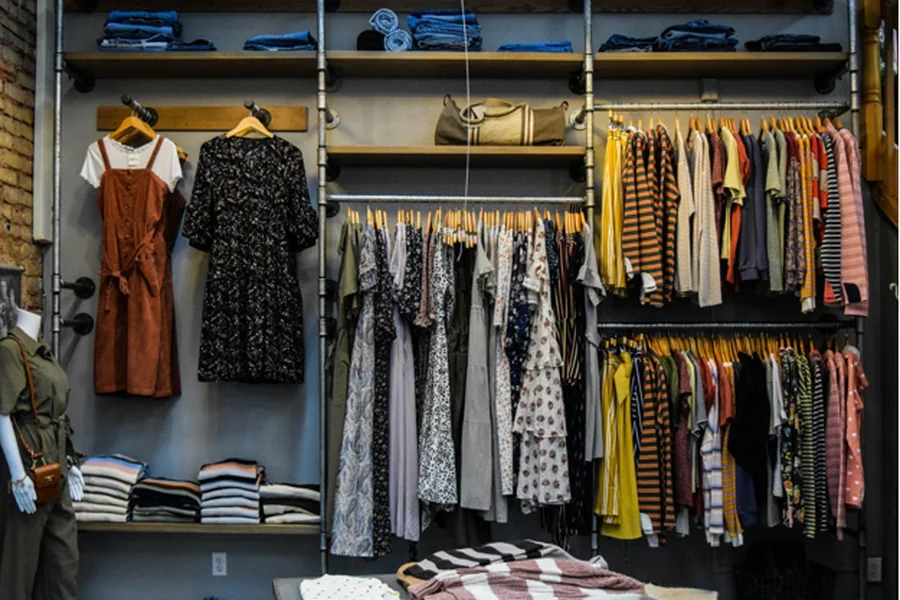
There could be many great clothes in a wardrobe, but this place can seem strangely hard to use. Sometimes the problem isn’t in the lack of variety. The problem is that clothes in a wardrobe don’t match the real life of its owner.
A person who works from home, exercises almost every day, and leaves home sometimes needs another wardrobe in comparison with a person who spends five days per week in an office. This is true in relation to hobbies, weather, travel, and any other activities that require certain types of clothes.
Creating a wardrobe based on imaginary life is not a good idea. You need to think about your real life.
- 1. Make a List of All Situations You Face During a Week
- 2. Create a Good Everyday Base
- 3. Create Another Category for Activity-Specific Items
- 4. Stop Buying Clothes for Fantasy Calendars
- 5. Find Out Which Clothes Are Used Most Often
- 6. Think About How Often Clothes Need to Be Washed
- 7. Leave Some Space for Your Personal Style
- Purchase the Clothes for the Life That Is Already Happening
1. Make a List of All Situations You Face During a Week
Forget about the situation that occurs once per month. Think about the regular month.
How many days do you spend at work? How often do you exercise? Do you have any social events that require special clothes? Are weekends usually busy with trips, meet-ups, outdoor activities, or just staying home?
The proportions matter.
If sixty percent of the waking week is related to the clothes that allow being comfortable, the quantity of these clothes should be more significant than the quantity of the clothes for formal occasions that occur three times per year.
2. Create a Good Everyday Base
It is clear what situations occur most often. It is time to think about the clothes that will be able to help you with these situations every day.
It doesn’t mean that you need to have ten identical outfits. A good everyday wardrobe can contain different silhouettes, colors, materials, and styles. It is necessary that these clothes could be combined with each other, and there were real chances to wear them.
Working in a multi-brand fashion retailer such as Tuchuzy can help you to create such a wardrobe because all these things are located in one edit. There is no need to worry about making separate purchases for each event.
It is simple. Before buying something new, you need to imagine at least three situations when you can wear it.
3. Create Another Category for Activity-Specific Items
Not all clothes in the wardrobe must be multifunctional.
Certain activities require special clothes or shoes. Trying to find the opportunity to use them for some other situations is not the main aim.
Dance is a clear example. A ballet dancer needs such things as tights, leotards, warm-ups, and carefully chosen pointe shoes. These things deserve to have a place in the wardrobe because they help a person to do something important in his or her life, even if the person never wears them outside the dance studio.
It is true for such items as hiking boots, clothes for cycling, work uniforms, shoes for running, and other activity-specific clothes.
A practical wardrobe is not the wardrobe that contains the clothes which can do everything. It is a wardrobe which contains the clothes that have their reasons to exist there.
4. Stop Buying Clothes for Fantasy Calendars
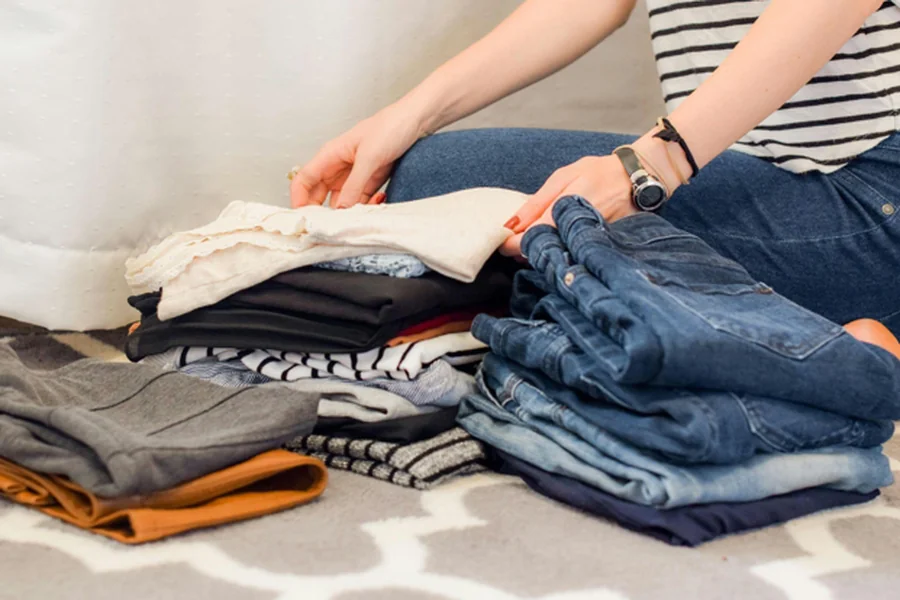
It is easy to justify such a purchase with the phrase “I could wear this to a wedding” or “this would be perfect for a fancy dinner.”
The question is if these events happen in reality.
Having a few items for such rare occasions is reasonable. Creating a large part of the wardrobe based on imaginary invitations is not.
You can look at the previous year. If you attended two formal events, you don’t need twelve outfits to wear to them. On the other hand, if you go out for dinner twice a week, then it is worth paying more attention to clothes that can look comfortable in the evening and in the daytime.
Your calendar is good evidence.
5. Find Out Which Clothes Are Used Most Often
Every wardrobe contains a small set of clothes which is used the most often.
It can be one pair of jeans, a particular jacket, several T-shirts, a comfortable dress, or shoes that always look nice with any clothes.
Instead of thinking that such repeated wearing is boring, it is better to find out why these items are popular.
Maybe the fabric is comfortable. Maybe the fit is good. Maybe the color fits with all other items, or the garment looks nice in the balance between casual and dressed up.
Such features can be used as the criteria of future purchases.
The idea is not to buy the duplicates of all your favorite things. The idea is to find out why certain clothes are popular.
6. Think About How Often Clothes Need to Be Washed
The lifestyle planning should work during the laundry day too.
You can’t use only two outfits if you need to wear working clothes five days per week. The same thing is true for the clothes for exercising when you train every day.
You can think about how often you do laundry and whether you need to wash certain items after every wearing.
Such ideas can help you to calculate the quantity of the clothes more logically. Clothes that you wear every day may deserve several variants, and jackets, coats, and other items which are worn every day without washing may require fewer items.
7. Leave Some Space for Your Personal Style
Creating a wardrobe based on practical needs doesn’t mean that you should reduce it to a uniform.
When you have a good everyday base, it becomes easier to use unusual items because they have something to combine with. It becomes easier to use a statement jacket when several outfits can support it. Bright shoes become more comfortable when there are combinations in the wardrobe that make sense.
This is the place where your personal style may appear.
Instead of buying every trend that attracts your attention, you can choose the ones that really work with your existing clothes and your activities.
Purchase the Clothes for the Life That Is Already Happening
A good wardrobe should make the dressing process easier.
This means that there should be enough variants for your daily activities, appropriate equipment for the activities that require it, a smaller quantity of the clothes for occasional events, and enough individual items to avoid being bored with the practical approach.
Asking the question “Do I like this?” is still important before the next purchase. But it is even more useful to ask the question “Where will I actually wear it?”
If the answers to these questions are clear, there are more chances that these clothes will become a part of your life and not a part of the wardrobe.
