
 James
James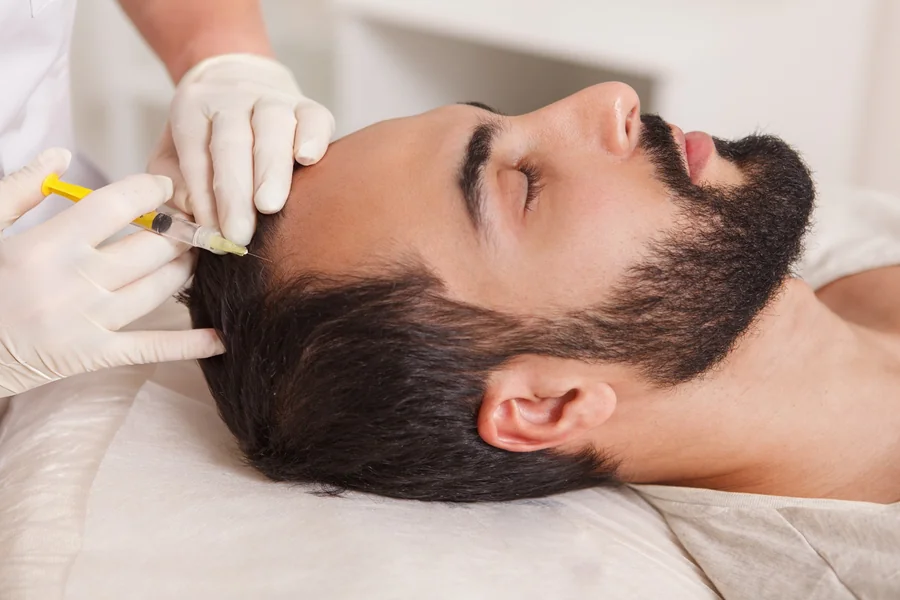
Trends in aesthetics shift fast, yet certain treatment options retain their positions since they respond to a highly pragmatic query: what do the patients desire? The solution is more and more obvious in numerous clinics. Patients are seeking noticeable skin change without the down time, price or commitment provided by more invasive techniques. That is why mesotherapy is still stuck on the menu of treatment.
To clinic owners and practitioners, mesotherapy is not just a matter of keeping up with the times by investing in it further. It indicates a general change in the aesthetic medicine delivery process. Individual patients are increasingly educated, picky, and they tend to be more enthusiastic about the natural appearance of a gradual enhancement than the dramatic appearance of transformation. So, treatment promoting skin quality, hydration, brightness and texture fits quite well within that mentality.
- The Market Has Moved Toward Subtle, Preventative Aesthetics
- Prevention Is Now a Core Business Driver
- It Offers Flexibility Without Feeling Overly Medicalised
- It Suits the “Tweakment” Era
- Clinics Also Value Its Role in Combination Protocols
- Good Patient Experience Supports Repeat Visits
- Investment Makes Sense When a Treatment Supports Retention
- The Clinics That Benefit Most Are Usually the Most Selective
- A Treatment That Matches Where Aesthetics Is Heading
The Market Has Moved Toward Subtle, Preventative Aesthetics
In recent years, aesthetical dialogue has often focus on remediation: filling in sunken lines, creating proportionality in the face, or a new figure. Of course, those concerns still have a role, but the market has been broadened. What practitioners commonly refer to as skin health treatments is now the interest of more patients. Instead, they would like to look cleaner.
Mesotherapy is a good fit for that category since it falls between aesthetics and more interventionist mesotherapy. It provides a means of introducing active ingredients into the skin, usually addressing threats of dehydration, dullness, uneven tone or signs of early ageing. That is why it can attract the first-time patients who might be not ready to injectables to change the volume or muscular movements, and still want to use something better than topical products single-handedly.
Prevention Is Now a Core Business Driver
This preventational strategy is as commercially as it is clinically. No longer are clinics dependent on treatments that are on an occurrence basis and high capped. They are developing new long-term relationships with patients based on maintenance, skin optimisation and staged treatment plans. Mesotherapy fits well in that model since it can be implemented during the early stages of aesthetics in a patients life and also applied later as part of a regular follow-up care.
It also assists in eliminating a communication gap that has existed between clinics over the years. The notion of tired-looking skin or loss of glow is much more readily comprehended by patients than are the concepts of collagen remodelling or dermal restructuring. The explanations of mesotherapy can be rather simplified, and it simplifies the process of consultation and makes treatment plans more readily available.
It Offers Flexibility Without Feeling Overly Medicalised
Another reason clinics continue to back mesotherapy is its versatility. It can be adapted for different age groups, skin concerns, and treatment philosophies. Some practitioners use it as a standalone option for hydration and revitalisation. Others position it alongside peels, microneedling, light-based therapies, or injectable treatments to support broader skin outcomes.
That flexibility is part of why it is often discussed as a non-surgical dermal revitalisation solution. The phrase resonates because it reflects what many patients are actively searching for: meaningful improvement without surgery, lengthy recovery, or a result that looks obvious.
It Suits the “Tweakment” Era
Demand has also been prevented due to the emergence of the so-called tweakments. Treatments that can be instituted through gradual introduction and later modification are more preferred by patients. Mesotherapy will go in that direction. It is contemporary but not radical. It might be positioned as belonging to a skin strategy as opposed to an extreme intervention.
Clinically that is important. Accessible treatments are more likely to broaden the customer base. They can attract younger prevention-oriented patients, older patients who can be concerned with the quality of their skin and they can reach out to the patients who might be more conservative about more extreme procedures. Broad relevance is treasured in a saturated market.
Clinics Also Value Its Role in Combination Protocols
One-on-one treatments are important, but a combination planning is where most of the modern clinics create real value. This is where mesotherapy comes in since it is not competing with any other service but is a complement to them. It can be integrated in pre-event skin preparation by a practitioner, post-summer repair plans or even longer term rejuvenation programmes.
That will make a more consistent patient experience. Rather than providing unrelated treatments, clinics will be able to create overlays with regard to skin conditions, season, and patient intentions. Mesotherapy can be used to complement those plans as it helps to treat the quality of the skin on the cusp of where other aesthetic treatments are likely to succeed.
Good Patient Experience Supports Repeat Visits
Treatment efficacy alone is seldom considered in making investment decisions. Experience matters too. Patients will be more willing to undergo treatments that are feel manageable, understandable, and worthwhile. Mesotherapy usually enjoys such a perception. Sessions tend to be rather short, the recovery process tends to be rather brief, and outcomes can be presented in realistic but attractive terms: healthier-looking skin, increased hydration, increased texture, and healthier overall look.
It is less difficult to integrate that kind of an output to everyday life than much downtime procedures. Convenience is not a trivial factor to busy patients, it can be the making or the breaking point. Clinics know this. Treatments that can be done during a lunch time or an ordinary working day are the ones which will be commercially sustainable.
Investment Makes Sense When a Treatment Supports Retention
To most clinics, mesotherapy is not about hype but retention, which makes it a valuable long-term. It provides practitioners with an acceptable explanation of why they need to keep in close contact with the patients, analyze the shifts in the skin state and polish the treatment schemes as the patients acquire new requirements. That enhances trust, which is among the greatest assets that any aesthetic business could construct.
Significantly, its further use is not an indication that mesotherapy is treated as a miracle treatment in clinics. Stern practitioners know its advantages and its limitations. It is not a replacement of all the other aesthetic choices and it must not be depicted as such. It is valuable because of its consistent, well-positioned use in the appropriate patient groups.
The Clinics That Benefit Most Are Usually the Most Selective
Clinics with a considered rather than blindly promoted initiation of mesotherapy are the most likely to yield the best results. It will involve effective consultation, aftercare, setting realistic expectations, and a straight forward discussion on its comparability to alternatives. Patients are becoming more conscious of more promise. Enduring treatments are typically administered with care and caution.
A Treatment That Matches Where Aesthetics Is Heading
Mesotherapy is an area that still holds clinic investment as it represents the trend of the overall aesthetic market, less dramatic, more preventative and more concerned with the quality of skin. It provides appropriate versatility to the practitioners, accessibility to patients and practicality in the long term treatment plan.
That is, its retention is not by chance. Mesotherapy continues to respond to an unmet need, which is why clinics continue to invest. And, on the contrary, that necessity is becoming increasingly central: assisting the patients to make themselves look healthier, fresher, and more confident without going down the slippery slope and engaging in out-right intervention. That is no niche appeal in the modern aesthetics environment. It is the mainstream.
