 James
James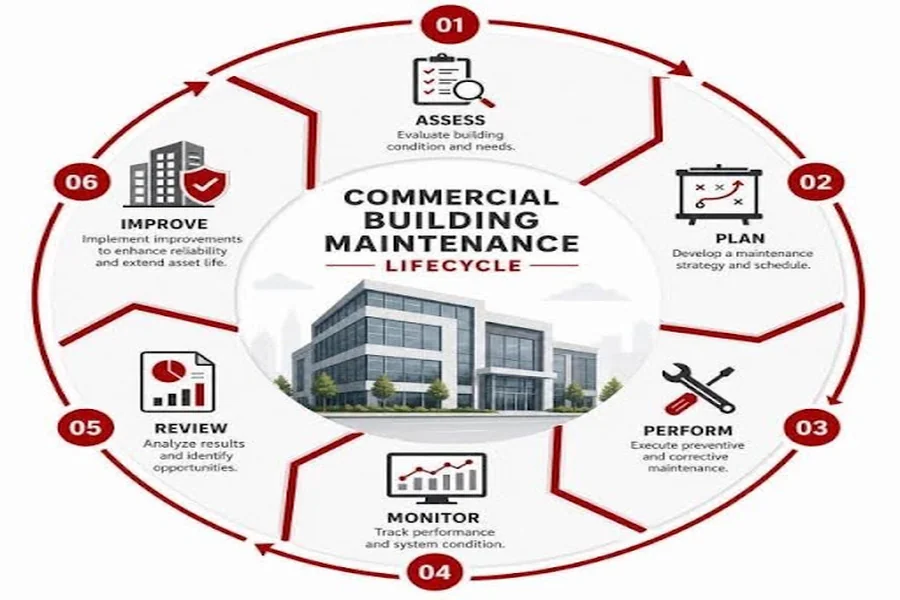
- Core Pillars of Commercial Building Maintenance
- Reactive vs. Preventive Commercial Building Maintenance
- Predictive Strategies and Smart Technology Integration
- Routine Roof Inspections and Seasonal Vulnerabilities
- Extending Roof Lifespan and Energy Performance
- Optimizing Climate Systems: HVAC Efficiency and Longevity
- Preventive Tasks for Commercial Building Maintenance of HVAC
- Energy Savings, Ventilation, and Indoor Air Quality Standards
- Developing an Integrated Facility Schedule and Compliance Strategy
- Frequently Asked Questions About Facility Maintenance
- What is the primary difference between reactive and preventive maintenance?
- How often should commercial roofing and HVAC systems be inspected?
- What are the main signs a commercial roof needs restoration rather than replacement?
- Conclusion
Core Pillars of Commercial Building Maintenance
Effective commercial building maintenance is a multifaceted discipline, encompassing the meticulous care of the building envelope, intricate mechanical systems, and a host of other critical components. Our goal is always asset preservation, ensuring the longevity and optimal function of every element. This proactive approach not only safeguards life safety but also directly impacts operating expenses, making a significant difference to a property’s bottom line. In an environment where commercial buildings consume a substantial portion of the nation’s energy, strategic maintenance is paramount for both financial health and environmental responsibility.
Understanding the different approaches to maintenance is key to developing a robust strategy. Generally, maintenance philosophies can be categorized into reactive, preventive, and predictive, each with its own advantages and suitable applications.
Reactive vs. Preventive Commercial Building Maintenance
The distinction between reactive and preventive maintenance lies at the heart of operational efficiency and cost management. Reactive maintenance, as its name suggests, involves addressing issues only after they have occurred. This “fix-it-when-it-breaks” approach often leads to unplanned downtime, which can disrupt business operations, inconvenience tenants, and result in emergency repairs that are typically more expensive than scheduled work. While unavoidable for sudden, unforeseen failures, relying solely on reactive maintenance can quickly escalate operating costs and shorten equipment lifespan.
In contrast, preventive maintenance is a systematic approach focused on regular, scheduled upkeep to prevent failures before they happen. This includes routine inspections, servicing, and component replacements based on elapsed time or runtime intervals. For instance, replacing HVAC filters quarterly or inspecting plumbing systems annually falls under this category. The benefits of preventive maintenance are substantial: it significantly reduces the likelihood of unexpected breakdowns, extends the operational life of assets, and offers greater budget predictability by converting unpredictable emergency costs into manageable, planned expenditures. By proactively addressing wear and tear, we ensure consistent performance and uphold the value of the property.
Predictive Strategies and Smart Technology Integration
Taking maintenance a step further, predictive maintenance (PdM) leverages advanced technologies to monitor the condition of equipment in real-time, allowing for maintenance to be performed precisely when needed, just before a failure is likely to occur. This approach minimizes downtime even further than preventive methods, as it avoids unnecessary maintenance while still preventing catastrophic failures.
Modern commercial buildings are increasingly integrating smart technologies to facilitate PdM. This includes the deployment of IoT sensors that monitor critical parameters such as temperature, vibration, and energy consumption. For example, vibration analysis can detect imbalances in rotating machinery, thermal imaging can identify overheating electrical components, and automated telemetry can provide continuous data streams on system performance.
These data points are often fed into Computerized Maintenance Management Systems (CMMS platforms), which analyze the information, identify trends, and trigger maintenance alerts. This data-driven approach allows facilities managers to optimize maintenance schedules, prioritize tasks, and allocate resources more efficiently. The result is a highly effective maintenance program that maximizes asset uptime, reduces operational costs, and enhances overall building performance.
Maintenance Approach Description Key Characteristic Impact on Downtime Cost Efficiency Equipment Lifespan Reactive Repairing equipment after it breaks down. Unplanned, emergency fixes. High & Unpredictable High (emergency costs) Shortened Preventive Performing scheduled maintenance to prevent failures. Time- or usage-based. Low & Predictable Moderate (planned costs) Extended Predictive Monitoring equipment condition to predict failures. Condition-based, data-driven. Very Low & Minimized High (optimized costs) Maximized Protecting the Building Envelope: Commercial Roofing Care
The building envelope, particularly the commercial roof, is the first line of defense against external elements. Its integrity is paramount for protecting the entire structure and its contents. A well-maintained roof ensures membrane integrity, prevents water ingress, and facilitates proper drainage clearance, all of which are critical for avoiding costly damage. Regular inspections of flashing are essential to prevent leaks at vulnerable points, and addressing ponding water promptly can avert premature membrane degradation. Robust roofing care is fundamental to a building’s weather resilience.
For property owners facing aging roofs or minor damage, understanding the options beyond full replacement is crucial. Solutions like commercial roofing restoration can offer a cost-effective and sustainable alternative, often extending the life of an existing roof system significantly while improving its performance. Exploring specialized services in this area can provide valuable insights into preserving your roof without the extensive capital expenditure of a complete overhaul.
Routine Roof Inspections and Seasonal Vulnerabilities
Regular, routine roof inspections are non-negotiable for commercial properties. These inspections should ideally occur at least twice a year – typically in spring and fall – and after any significant weather events. During these checks, technicians will look for common issues specific to different roofing materials. For instance, EPDM membranes need to be checked for punctures, tears, and seam integrity. All roofing types are susceptible to UV degradation over time, which can lead to material breakdown and brittleness. Thermal shock, caused by rapid temperature fluctuations, can also stress materials and lead to cracking.
Effective debris removal is vital, as accumulated leaves, branches, and other foreign objects can block drains and scuppers, leading to ponding water and accelerated deterioration. Critically, all seam sealing should be inspected for signs of separation or cracking, as these are common entry points for water. In regions with freezing temperatures, the impact of freeze-thaw cycles can be particularly damaging, as water expands when it freezes, exacerbating small cracks and compromising the roof’s watertight seal. A diligent inspection program helps catch these vulnerabilities before they escalate into major problems.
Extending Roof Lifespan and Energy Performance
Beyond basic repairs, strategic roofing maintenance can significantly extend a roof’s lifespan and contribute to the building’s energy performance. Implementing cool roof coatings, for example, can reflect sunlight and reduce heat absorption, leading to lower cooling costs during warmer months. Ensuring adequate insulation R-value beneath the roof deck is also critical for thermal efficiency, preventing heat transfer in both directions.
Advanced techniques like moisture detection using infrared cameras or electronic impedance meters can identify hidden water infiltration within the roof assembly, allowing for targeted repairs rather than extensive tear-offs. Utilizing reflective surfaces not only contributes to energy savings but can also protect the roofing membrane from UV damage, further extending its life. Finally, adhering to manufacturer guidelines for maintenance is essential for warranty compliance, ensuring that any potential issues are covered. Proactive care for your commercial roof is an investment that pays dividends in structural integrity, energy efficiency, and peace of mind.
Optimizing Climate Systems: HVAC Efficiency and Longevity
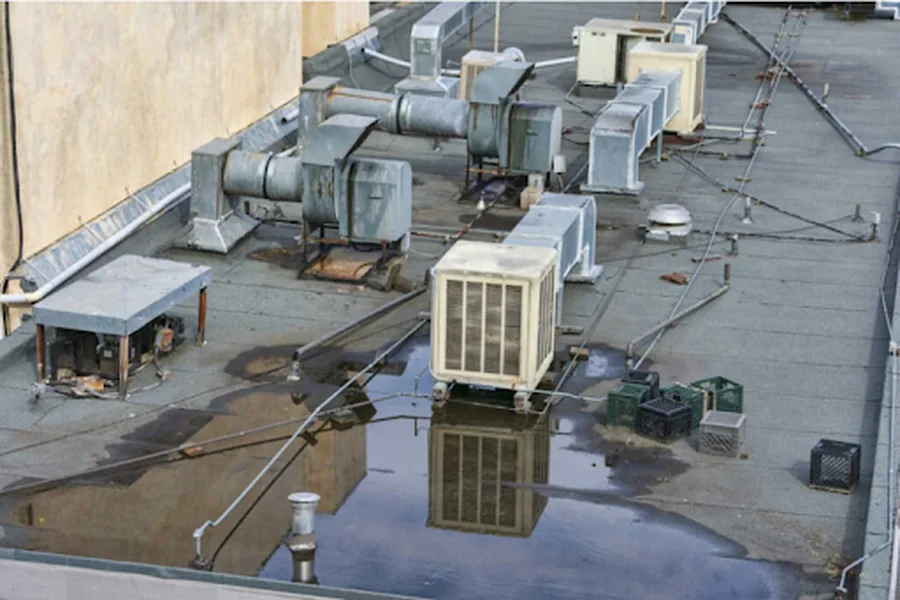
The heating, ventilation, and air conditioning (HVAC) system is the circulatory and respiratory system of a commercial building, directly impacting occupant comfort, indoor air quality, and energy consumption. Optimal performance relies on meticulous attention to air filtration, ensuring clean air circulation and protecting internal components from dust and debris. Maintaining ductwork integrity prevents air leaks and ensures efficient distribution, while precise temperature regulation is essential for comfort and energy management. Proper refrigerant management is also critical, not only for system efficiency but also for environmental compliance.
For businesses seeking to ensure their HVAC systems are always running at peak performance, partnering with specialists who offer comprehensive HVAC solutions is invaluable. Such providers can deliver everything from routine maintenance and emergency repairs to system upgrades and energy optimization strategies, ensuring your climate control systems are reliable and cost-effective.
Preventive Tasks for Commercial Building Maintenance of HVAC
A robust preventive maintenance schedule for HVAC systems is crucial for avoiding unexpected breakdowns and maximizing efficiency. Regular coil cleaning is paramount, as dirty coils impede heat transfer, forcing the system to work harder and consume more energy. Checking and adjusting belt tensioning ensures proper power transmission from motors to fans, preventing slippage and premature wear. Airflow balancing, performed periodically, guarantees that conditioned air is distributed evenly throughout the building, eliminating hot and cold spots.
Condensate clearing is another vital task, as clogged drain lines can lead to water damage, mold growth, and system shutdowns. Furthermore, regular electrical testing of motors, controls, and wiring helps identify potential hazards and prevent electrical failures. By diligently performing these preventive tasks, we can significantly reduce the likelihood of costly repairs, extend the lifespan of the HVAC equipment, and maintain a comfortable and healthy indoor environment for all occupants.
Energy Savings, Ventilation, and Indoor Air Quality Standards
Beyond operational reliability, HVAC maintenance plays a pivotal role in achieving energy savings and upholding indoor air quality (IAQ). Adhering to industry standards, such as those set by ASHRAE (American Society of Heating, Refrigerating and Air-Conditioning Engineers), ensures optimal ventilation rates and thermal comfort. Proper ventilation is essential for VOC dilution, removing volatile organic compounds and other airborne pollutants that can impact occupant health and productivity.
Regular maintenance directly contributes to energy efficiency. For instance, properly calibrated economizers, which use outside air for cooling when conditions are favorable, can dramatically reduce reliance on mechanical cooling. Implementing strategies for peak demand management, such as pre-cooling during off-peak hours, can also lower electricity costs. By optimizing these aspects, we not only create a healthier building environment but also significantly reduce the energy footprint and operating costs associated with climate control.
Developing an Integrated Facility Schedule and Compliance Strategy
An integrated facility schedule and compliance strategy is the backbone of effective commercial building maintenance. It weaves together all maintenance activities, from routine checks to emergency protocols, into a cohesive plan. This strategy must be meticulously crafted to ensure regulatory compliance with local, state, and federal mandates, including EPA guidelines for environmental protection and OSHA protocols for workplace safety.
Central to this strategy is the establishment of clear vendor SLAs (Service Level Agreements) when outsourcing maintenance tasks. These agreements define performance expectations, response times, and quality standards, holding service providers accountable. Furthermore, a well-documented strategy ensures audit readiness, providing clear records of all maintenance activities, inspections, and repairs. This not only demonstrates due diligence but also provides valuable data for future planning and budgeting. Leveraging technology, such as CMMS, for scheduling, tracking, and reporting is crucial for managing this complex web of tasks efficiently.
Frequently Asked Questions About Facility Maintenance
What is the primary difference between reactive and preventive maintenance?
The primary difference lies in their timing and intent. Reactive maintenance is unplanned; it occurs only after an asset or system has failed, leading to unplanned downtime and often necessitating emergency expenditure. This approach can be costly due to expedited repairs, potential secondary damage, and business disruption. In contrast, preventive maintenance is proactive and planned. It involves scheduled inspections, servicing, and part replacements based on time or usage intervals, aiming to prevent failures before they happen. This planned scheduling helps extend equipment lifespan, reduces the likelihood of costly emergency repairs, and provides greater budget predictability.
How often should commercial roofing and HVAC systems be inspected?
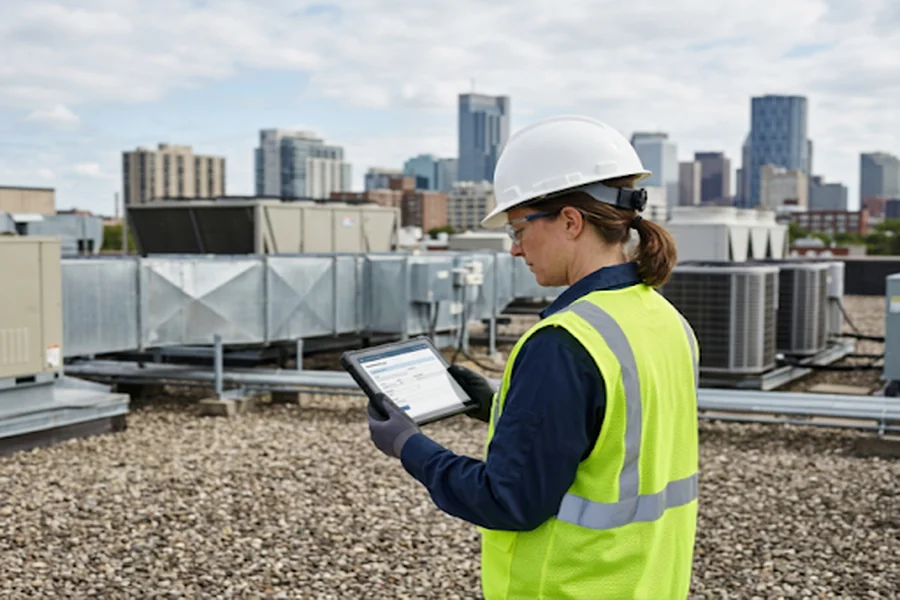
For optimal performance and longevity, commercial roofing and HVAC systems should undergo professional inspections at least twice a year. These bi-annual audits are typically scheduled for seasonal transitions – once in the spring to assess winter damage and prepare for summer, and again in the fall to prepare for winter and address summer wear. Additionally, it is crucial to conduct post-storm evaluations after any severe weather event (e.g., heavy rain, hail, high winds) to identify immediate damage. Establishing baseline tracking of system performance and condition further helps in identifying deviations that may warrant more frequent checks.
What are the main signs a commercial roof needs restoration rather than replacement?
Determining whether a commercial roof needs restoration or a full replacement depends on several factors. Key signs that point towards restoration include: the roof membrane elasticity is still largely intact, meaning the material retains some flexibility; localized leaks are present but the overall roofing system is structurally sound; the decking beneath the membrane is in good condition, without extensive rot or damage; and the roof is a suitable candidate for reflective coating application to improve energy efficiency. Restoration is often a viable option when the existing system has not reached the end of its functional life but requires significant repair or an overlay to extend its service. If there’s widespread structural damage, multiple layers of existing roofing, or significant water infiltration compromising the insulation, then replacement is typically the more appropriate and cost-effective solution in the long run.
Conclusion
In September 2026, the landscape of commercial property management demands more than just basic upkeep; it requires a strategic, holistic approach to maintenance. As we’ve explored, implementing proactive planning across all building systems, particularly for crucial elements like roofing and HVAC, is not merely a best practice—it’s a necessity. This commitment to lifecycle management translates directly into tangible benefits, from enhanced tenant retention and significant operating cost reduction to fostering sustainable property stewardship. By embracing preventive and predictive maintenance strategies, leveraging technology, and prioritizing compliance, property owners can transform their commercial buildings into resilient, efficient, and valuable assets for years to come.
