
 James
James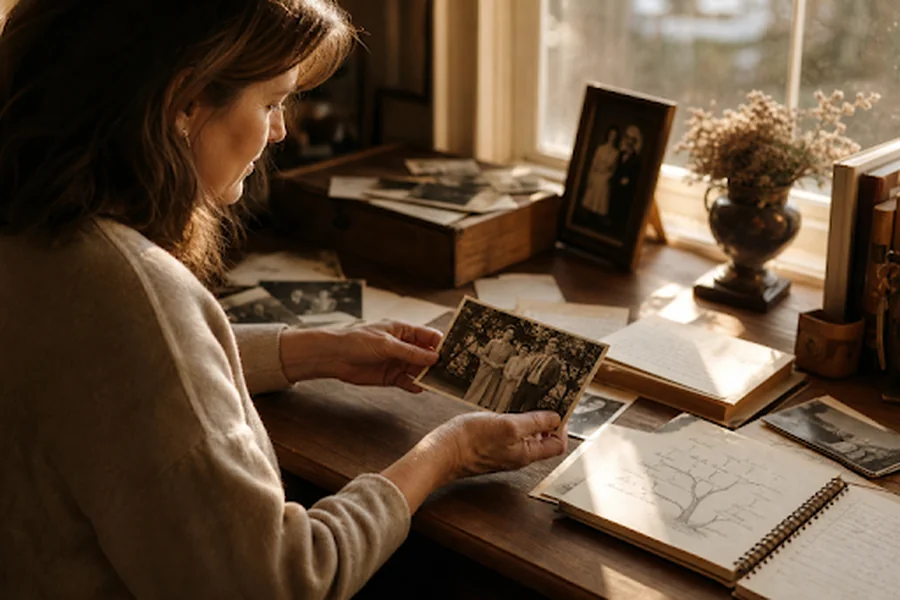
Family history research becomes more meaningful when DNA, documents, and personal memories are considered together. An ancestry test may introduce new genetic matches or broad ancestry clues, but it is most useful when it supports a careful paper trail rather than replacing one.
A reliable approach starts small, records what is known, and expands only when the evidence supports the next step. The goal is not to collect the largest possible tree. It is to create an accurate, understandable account of the people, places, and events that shaped a family.
- Start With A Clear Question
- Build A Tree From What Is Known
- Use Historical Records In The Right Order
- Add DNA As Supporting Evidence
- Interview Relatives Before Details Fade
- Test Family Stories Without Dismissing Them
- Organize Names, Sources, And Clues
- Handle Unexpected Discoveries With Care
- Protect Privacy And Personal Data
- Turn Research Into A Lasting Family History
Start With A Clear Question
Begin with one researchable question, such as where a great-grandparent lived before moving, who the parents on a marriage record may have been, or whether a family story can be documented. A narrow question gives each search a purpose and helps separate useful evidence from interesting but unrelated results.
Build A Tree From What Is Known
Start with yourself, then work backward through parents and grandparents. Record full names, maiden names, nicknames, alternate spellings, important dates, locations, spouses, siblings, religious affiliations, and occupations when known. Add scans or photographs of letters, certificates, labeled pictures, and family keepsakes. If a detail is uncertain, mark it as uncertain instead of turning a guess into a fact.
Use Historical Records In The Right Order
Work from records closest to home before searching broadly. Family papers may reveal dates, addresses, or names that make later searches more precise. From there, review vital records, census entries, city directories, obituaries, immigration and naturalization files, land records, probate files, and military materials. The records available for family history research can help researchers identify useful federal collections, including census, military, immigration, and naturalization materials.
Do not rely on a single document just because the name matches. Compare ages, residences, relatives, occupations, and dates across several records. A record can contain a spelling variation, an incorrect age, or information supplied by someone who did not know every detail.
Add DNA As Supporting Evidence
DNA results can help identify possible relatives and suggest which family lines deserve closer study. Autosomal DNA is commonly used to identify matches across many branches of a family. Y-DNA follows a direct paternal line and is passed from father to son, while mitochondrial DNA follows a direct maternal line through the mother.
Genetic matches are clues, not self-explanatory proof of a specific relationship. Review shared matches, compare trees where available, and look for records that connect the families. Ethnicity estimates can also change as testing companies update their reference data, so they should be treated as broad indicators rather than precise statements of identity.
Interview Relatives Before Details Fade
Conversations with relatives can preserve everyday history that may never appear in a census or certificate. Ask open questions: Where did you live as a child? Which relatives visited often? What jobs did people do? Did anyone change a name, serve in the military, move frequently, or leave behind a particular object or tradition?
With permission, record the conversation or take detailed notes. Ask the speaker to identify people in photographs and explain the history behind letters, recipes, and heirlooms. Preserve the story in the speaker’s own words, while recognizing that memory may blend events or shift dates over time.
Test Family Stories Without Dismissing Them
A family story may remain valuable even when part of it cannot be confirmed exactly. Write it down as told, then separate checkable details from interpretation. List every name, location, time period, and event that might appear in a record. Search each part, note what supports or challenges it, and keep the original account alongside the research findings.
Organize Names, Sources, And Clues
Use a spreadsheet, notebook, or digital folder system that includes sections for people, locations, records, DNA matches, interviews, unanswered questions, and sources to review. For every fact entered in a tree, add a source note. A useful entry might read: “1900 U.S. census, household of James Carter, Ohio, image reviewed on September 3, 2026.”
Handle Unexpected Discoveries With Care
Research can uncover adoptions, unknown relatives, changed names, family conflict, or biological relationships that differ from expectations. Pause before contacting anyone or sharing a discovery. Confirm the evidence, consider who may be affected, and choose a private, respectful method if contact is appropriate. Emotional support from a trusted person or counselor may be useful when the discovery changes someone’s understanding of family.
Protect Privacy And Personal Data
Genetic information and family records can involve living people who have not chosen to participate in research. Use strong passwords, review privacy settings, and avoid posting full birth dates, home addresses, medical information, or private disputes in public trees. Do not upload another person’s DNA data or share sensitive findings without clear permission.
Turn Research Into A Lasting Family History
Genealogy combines family records, oral interviews, historical research, and genetic analysis to trace relationships and tell family stories. A readable history can begin with one person or question, explain the evidence in plain language, include a memory or photograph caption, acknowledge conflicting records, and label unanswered questions honestly. The broader study of family lineage and history is strongest when names and dates are connected to the choices, communities, and circumstances behind them.
End each family history with a source list and a short note about what remains unknown. Explain which records were consulted, where information came from, and which details could not be confirmed. This gives future relatives a trustworthy starting point for further research, while leaving room for new records, interviews, photographs, family stories, and DNA matches to add context, correct errors, and deepen the family’s story over time.

1 thought on “DNA, Documents, And Family Stories: A Practical Research Plan”