
 James
James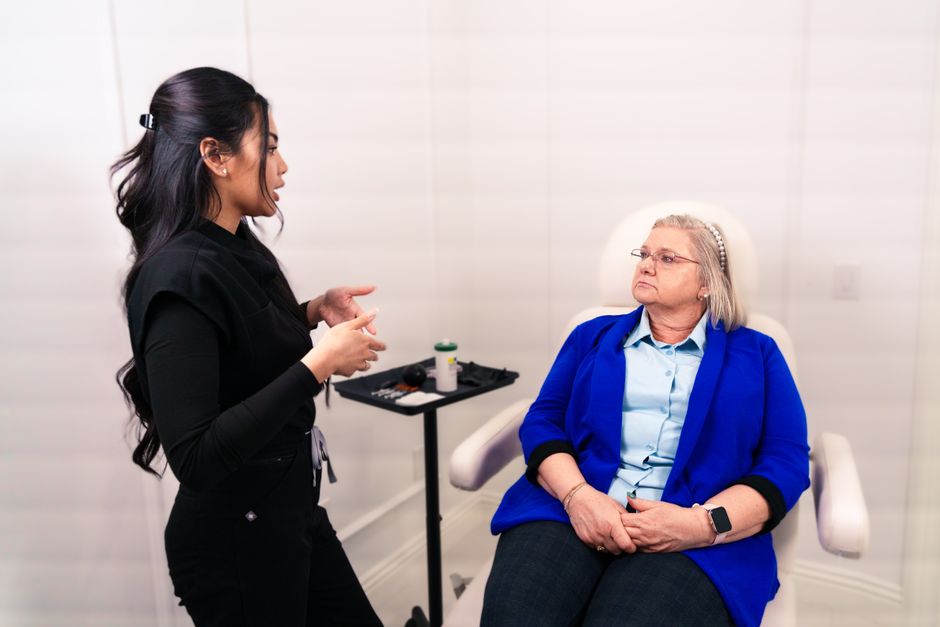
Cosmetic treatments have become an increasingly familiar part of personal care, offering options for people who want to address concerns such as fine lines, uneven texture, volume loss, or sun-related changes without necessarily choosing surgery. In Boynton Beach, the 2024 American Community Survey estimated a population of 83,095 and a median age of 46.6, highlighting a sizable and diverse adult population that may encounter a growing range of aesthetic treatment options. Before scheduling any procedure, however, it is worth understanding what different treatments can accomplish, how to assess a provider, and what realistic results actually look like.
- Understand What Cosmetic Treatments Can Do
- Start With the Right Treatment Environment
- Look Beyond the Treatment Menu
- Ask Better Questions Before Booking
- Keep Expectations Grounded in Reality
- Think About Recovery Before the Appointment
- Protect the Results You Paid For
- Avoid the Temptation to Overdo It
- Make an Informed Decision
Understand What Cosmetic Treatments Can Do
Modern cosmetic care covers a wide range of treatments, and each is designed to address different concerns. Injectable wrinkle relaxers target muscle activity, while dermal fillers are commonly used to restore or enhance volume. Other procedures, including microneedling, chemical peels, and certain laser treatments, focus more heavily on texture, pigmentation, or signs of skin aging.
The important point is that no single procedure does everything. A treatment that works well for expression lines may have little effect on pigmentation, while a procedure intended to improve texture may require several sessions before noticeable changes appear.
Understanding the purpose of a treatment before booking helps prevent mismatched expectations and unnecessary procedures.
Start With the Right Treatment Environment
The setting and professional oversight behind a cosmetic procedure matter just as much as the treatment itself. Procedures involving injectables, lasers, chemical solutions, or techniques that penetrate the skin require careful assessment and appropriate expertise.
People exploring medical aesthetics in Boynton Beach can encounter services intended to address different cosmetic concerns through non-surgical approaches. A consultation should help determine which treatment aligns with the individual’s skin, goals, medical history, and expectations rather than simply directing everyone toward the same procedure.
A thoughtful consultation should also explain possible side effects, expected recovery, aftercare, and whether multiple sessions may be necessary.
Look Beyond the Treatment Menu
An extensive menu of services may look impressive, but it does not automatically indicate quality care. Credentials, experience, consultation standards, and transparency provide much more useful information.
Before proceeding, find out who will perform the treatment and what experience that professional has with the specific procedure. A responsible consultation should include questions about your health history, medications, previous procedures, allergies, and relevant skin concerns.
Be cautious when a consultation feels more like a sales pitch than a medical or aesthetic assessment. Pressure to purchase several treatments immediately, guarantees of flawless results, or reluctance to discuss potential complications are reasonable reasons to reconsider.
Good cosmetic care should begin with understanding the individual rather than filling an appointment calendar.
Ask Better Questions Before Booking
The quality of your questions can make a significant difference when comparing treatment options.
Rather than simply asking whether a procedure “works,” ask what it is designed to improve and how much improvement is reasonable for someone with your concerns. Find out how many sessions might be needed, what recovery typically involves, and how long results may last.
It is equally important to discuss possible risks. Guidance on questions to ask before a cosmetic treatment includes asking about the professional’s credentials and experience, expected results, risks, recovery time, and preparation or aftercare requirements.
These conversations can also reveal whether another treatment would be more appropriate. A good consultation should leave you better informed, even if you ultimately decide not to proceed.
Keep Expectations Grounded in Reality
Cosmetic procedures can create noticeable improvements, but real results rarely resemble heavily edited images or dramatic social media transformations.
Some procedures produce changes relatively quickly, while others depend on gradual biological processes. Fillers may create immediate volume with temporary swelling, for example, while treatments designed to encourage collagen production generally require more patience.
Individual results can also vary according to age, skin characteristics, lifestyle, treatment history, and the procedure itself.
This is why cosmetic care is better approached as refinement rather than perfection. Recent discussion around the popularity of skin treatments also highlights the importance of distinguishing evidence-supported approaches from treatments driven primarily by trends or marketing.
A realistic provider should be comfortable explaining both what a treatment can improve and what it cannot.
Think About Recovery Before the Appointment
Downtime can vary considerably between procedures. Some treatments may allow an immediate return to normal activities, while others can cause temporary swelling, redness, sensitivity, bruising, or peeling.
That makes timing important.
Avoid scheduling an unfamiliar treatment immediately before a wedding, vacation, professional event, or another occasion when you need your skin to look predictable. Even procedures described as having “minimal downtime” can affect individuals differently.
Follow preparation instructions carefully as well. Depending on the treatment, a provider may advise changes to certain skincare products, medications, supplements, exercise, or sun exposure. Never make medication changes without appropriate medical guidance.
Planning for recovery makes the experience less stressful and gives the skin an appropriate opportunity to heal.
Protect the Results You Paid For
The appointment may last less than an hour, but aftercare can influence how smoothly recovery progresses.
Follow the instructions provided for your specific procedure rather than improvising a skincare routine afterward. Treated skin may temporarily become more sensitive, making aggressive exfoliation, picking, scrubbing, or introducing several new products a poor idea.
Sun protection is particularly important following many skin procedures. Depending on the treatment, unprotected UV exposure may contribute to irritation, pigmentation changes, or continued sun damage. Dermatology guidance notes that daily sun protection remains important when treating visible signs of sun damage and can help support treatment results.
A simple, consistent routine is often more useful than suddenly adding numerous products after treatment.
Avoid the Temptation to Overdo It
Once someone sees an improvement, it can be tempting to immediately schedule another treatment. More, however, does not automatically mean better.
Different procedures have appropriate intervals, and the skin or underlying tissues may need time to settle before results can be assessed properly. Making additional changes too quickly can make it harder to determine what worked and may increase the possibility of an unnatural-looking result.
A gradual approach allows you to evaluate each treatment before deciding whether anything else is necessary.
This is especially valuable with injectables and other treatments where subtle adjustments can create a more balanced outcome than repeatedly chasing dramatic change.
Make an Informed Decision
Cosmetic treatments are personal decisions, and the best experience starts well before the procedure itself. Understanding the purpose of a treatment, checking professional qualifications, discussing risks, and setting realistic expectations can make the process considerably clearer.
Do not choose a procedure simply because it is trending or because someone else’s results look impressive. Skin, facial structure, health history, and personal goals differ from one person to another.
Approached thoughtfully, cosmetic care can be less about pursuing perfection and more about making informed, measured choices. A qualified provider, realistic plan, sensible aftercare, and enough patience to evaluate the results can help ensure those choices remain focused on what genuinely works for you.

1 thought on “Beyond the Before and After: A Smarter Approach to Cosmetic Treatments”