
 James
James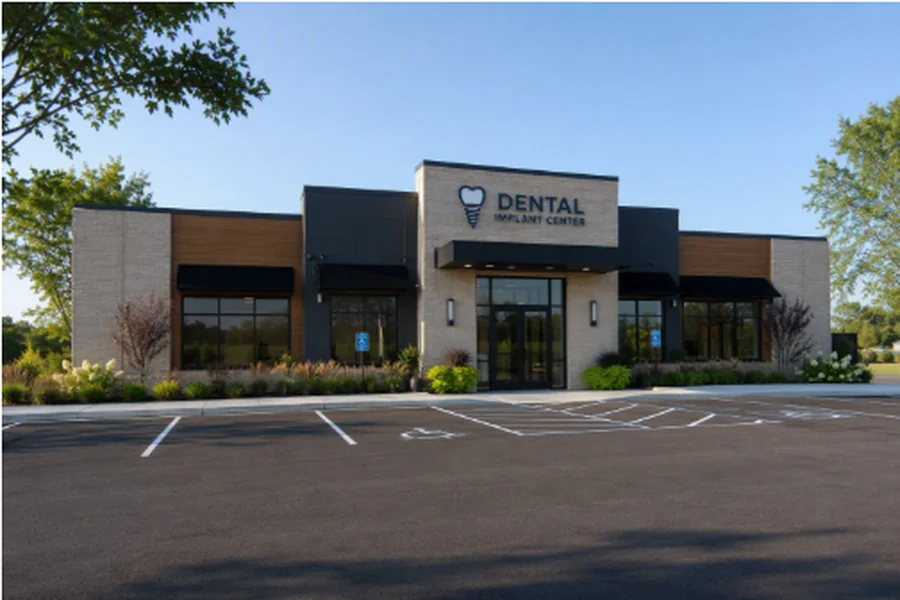
- Introduction
- Understanding Complex Dental Needs and Dental Implant Solutions
- What Qualifies as a Complex Dental Case?
- When Is a Dental Implant Clinic Necessary for Difficult Cases?
- Why Choose a Dental Implant Clinic Over General Dentistry Practices
- Specialist Skills and Patient Outcomes
- Access to Advanced Technology in Dental Implant Clinics
- Qualifications and Accreditation of an Excellent Dental Implant Clinic
- Essential Surgeon Credentials for Complex Treatments
- Recognised Certifications and Australian Standards
- Choosing the Right Dental Implant Specialist for Complicated Needs
- Questions to Ask During Your Consultation
- Experience Handling Challenging Dental Cases
- Conclusion
- Frequently Asked Questions
- Is it important to see an oral and maxillofacial surgeon for complex implant cases?
- How do dental implant clinics treat cases with severe bone loss?
- What are the top questions to ask at a dental implant clinic consultation?
Introduction
Finding the right dental implant clinic matters even more when your case is not simple. If you have complex dental needs, you need more than basic dental implant treatment. You need clear answers, careful planning, and a team that understands how oral health, bone support, and your medical history can affect every step of care.
Understanding Complex Dental Needs and Dental Implant Solutions
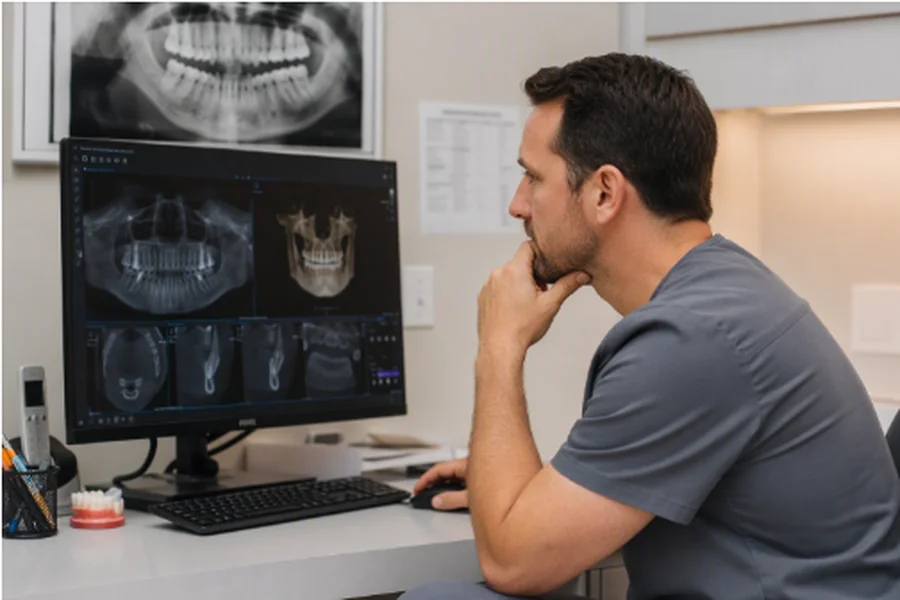
Complex dental needs usually mean standard care may not be enough. You may have missing teeth, advanced tooth loss, low bone support, or other issues that affect dental implant clinic procedures and oral health.
That is why treatment planning matters. A clinic should assess your individual needs, explain treatment options clearly, and build a restorative dentistry plan for each replacement tooth or full tooth replacement need. The next sections show what that looks like in real cases.
What Qualifies as a Complex Dental Case?
A complex case involves more than just one missing tooth—it can include multiple missing teeth, bone loss, gum disease, or jaws needing extra support before treatment.
Some patients require oral surgery, such as bone grafts or wisdom tooth removal, before implant placement is safe.
What matters most? Choose a clinic that offers a thorough assessment, not just a quick quote. Your treatment plan should be personalised based on your bone health, gum health, and the number of implants needed.
When Is a Dental Implant Clinic Necessary for Difficult Cases?
A dental implant clinic becomes important when your case needs more than routine dentistry. Complex cases often need advanced training, precise dental implant placement, and a team that handles implant procedures often.
For example, full mouth rehabilitation or Fixed-on-X treatment involves several stages, not one simple visit. That type of care works best in a dental implant centre with surgical facilities, imaging, and coordinated aftercare.
If you are comparing tooth replacement options, ask how often the clinic treats difficult cases. A team performing thousands of implants each year can usually explain the process, risks, and timing with more clarity.
Why Choose a Dental Implant Clinic Over General Dentistry Practices
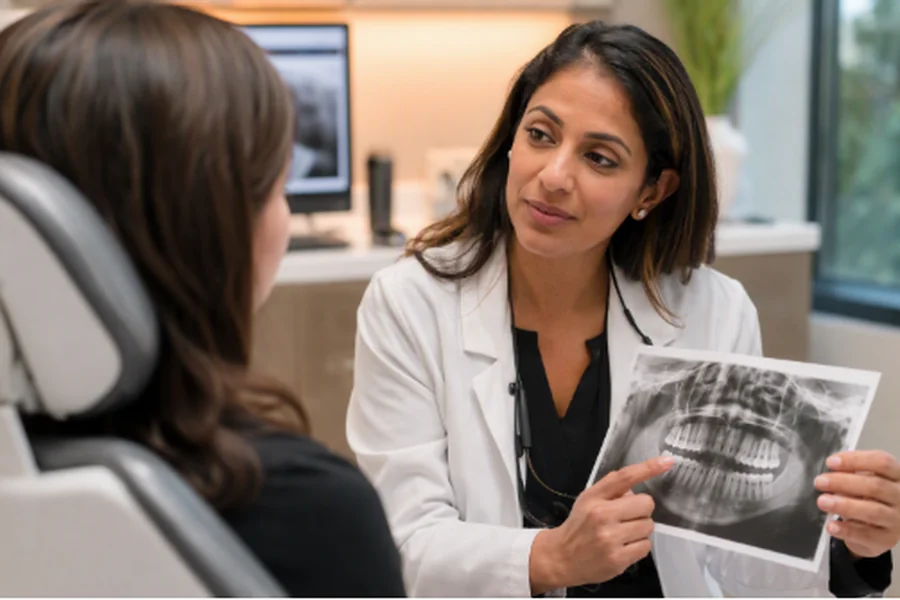
A general dentist may manage simple dental treatment well, but complex implant dentistry often needs a narrower focus. A dedicated dental implant centre can offer more coordinated restorative care and surgical support.
That difference matters when your case includes bone loss, multiple missing teeth, or anaesthesia needs. It also shapes patient care from assessment to final restoration, which is why specialist input deserves a closer look.
Specialist Skills and Patient Outcomes
Specialist skills are essential for implant surgery, which involves both surgical and restorative expertise. The clinic should be proficient in planning, placement, healing, and ensuring the final teeth function well in daily life.
Experience improves consultations. For example, Fox Dental’s team performs over 4,000 dental implant procedures annually, aiding treatment plans that consider bone density, bite function, and patient care.
Success rates shouldn’t be guaranteed. However, an experienced team is better equipped to explain risks, recovery expectations, and how restorative care supports long-term implant health.
Access to Advanced Technology in Dental Implant Clinics
Technology can simplify complex dental implant cases by creating clearer treatment plans. Before deciding, a thorough assessment should check bone density, gum health, oral hygiene, and overall dental health.
Ask the clinic about its technology for planning and surgery. Fox Dental uses computer-guided systems and in-house imaging.
Is digital guidance used for accurate implant placement?
Is imaging done on-site for quicker treatment?
How is bone loss evaluated before surgery?
Is bone grafting available if bone support is limited?
Qualifications and Accreditation of an Excellent Dental Implant Clinic
A strong dental implant clinic should be open about qualifications, accreditation, and who provides treatment. That is especially important if your care may involve an oral surgeon, anaesthesia, or advanced implant dentistry.
Reputable clinics also explain who plans the case, who performs surgery, and what training supports that work. Once you know what to check, it becomes easier to judge the surgeon’s background and the clinic’s standards.
Essential Surgeon Credentials for Complex Treatments
Begin with the basics: Confirm if your clinician holds a Doctor of Dental Surgery or equivalent degree, plus advanced implant training.
If oral surgery may be needed, ask if an oral and maxillofacial surgeon is involved—especially for complex cases like bone loss or multiple implants.
Experience counts. Fox Dental features clinicians with decades in dentistry, ongoing education, and expertise in implants and full-arch care, offering greater confidence in achieving lasting results.
Recognised Certifications and Australian Standards
When comparing clinics, ask about certifications, accreditations, and compliance with Australian standards for dental implant surgery. Also inquire about healing monitoring, aftercare, and long-term implant health.
Don’t focus solely on cost; lower quotes may exclude imaging, sedation, bone grafting, provisional teeth, or follow-up visits.
| What to Compare | Why It Matters |
| Qualifications & Accreditation | Indicates clinic meets standards for complex care |
| In-house Surgery & Imaging | Reduces delays and improves coordination |
| Included Stages of Care | Clarifies consultation, surgery, provisional teeth, aftercare |
| Implant System Used | Relevant for materials and treatment planning |
| Follow-up & Maintenance | Supports implant success and ongoing health |
Choosing the Right Dental Implant Specialist for Complicated Needs
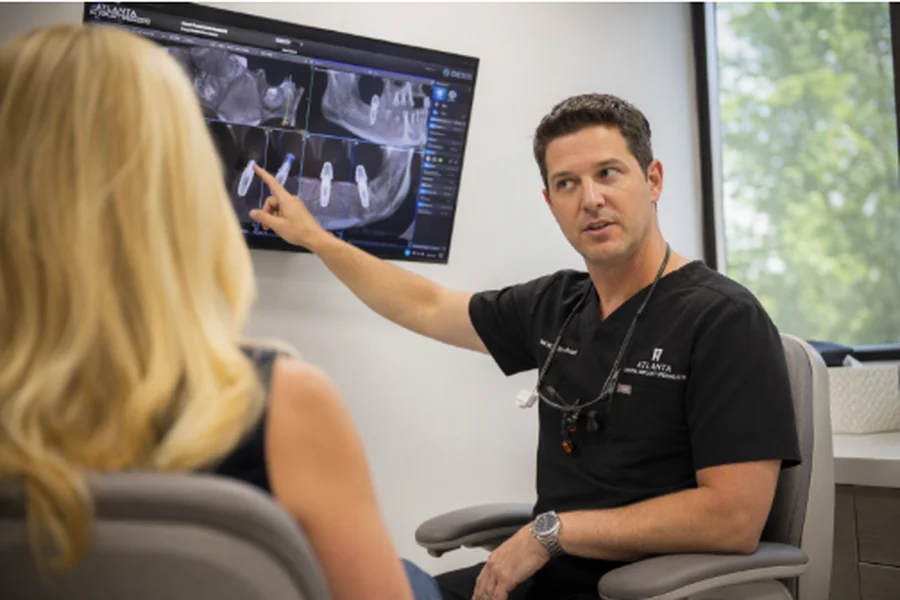
Choosing the right dental implant specialist means looking past marketing and into the real process. You need advanced training, relevant years of experience, and a treatment plan that reflects your complicated needs.
It also helps to review patient feedback and case examples where available. Your aim is an informed decision based on patient care, not pressure. That starts with the right consultation questions and proof of experience.
Questions to Ask During Your Consultation
Here’s a concise answer for a featured snippet: Ask how your case will be assessed, which treatment options suit you, potential risks, and what the full plan and cost include.
A quality consultation should review your medical history, oral hygiene, bone support, and whether you need a personalised or staged treatment plan. If these details are missing, the assessment may be incomplete.
Key questions to ask:
What does your assessment cover?
How do you plan my treatment?
Will I need bone grafting or other preparatory care?
What are the potential risks and recovery steps?
What’s included in the quoted plan?
Experience Handling Challenging Dental Cases
It’s easier to assess a clinic’s experience when it clearly explains its process. Look for clinician profiles, treatment steps, and detailed case explanations—not just vague promises.
For example, Fox Dental outlines every stage of treatment, from consultation to surgery, same-day teeth (when possible), and aftercare. This helps you understand how dental implant treatment is managed.
Check reviews or testimonials on the clinic’s website and ask for case studies similar to yours. This is especially helpful if you’re researching dental implants in Melbourne, Brisbane, or Adelaide.
Conclusion
In summary, choosing the right dental implant clinic for complex needs requires careful research. Understand what makes your case complex and the benefits of specialised clinics over general practices. Consider the specialists’ qualifications and experience with challenging cases. Asking the right questions during your consultation helps you make an informed choice for your oral health. If you’re ready to improve your smile, schedule a consultation at a reputable dental implant clinic today.
Frequently Asked Questions
Is it important to see an oral and maxillofacial surgeon for complex implant cases?
Yes, it can be important in complex cases. If your treatment involves oral surgery, bone loss, or more advanced implant procedures, a dental implant clinic with access to an oral and maxillofacial surgeon may offer a safer and more coordinated path.
How do dental implant clinics treat cases with severe bone loss?
A dental implant clinic will usually start with imaging and a full assessment. If bone loss is significant, bone grafting may be recommended before implant surgery, and your treatment plan may be staged to improve support and healing.
What are the top questions to ask at a dental implant clinic consultation?
Ask what the consultation includes, how your treatment plan is built, what the potential risks are, and what follow-up patient care is provided. You should also ask whether imaging, surgery, and aftercare are handled by the same dental implant clinic.
