
 James
James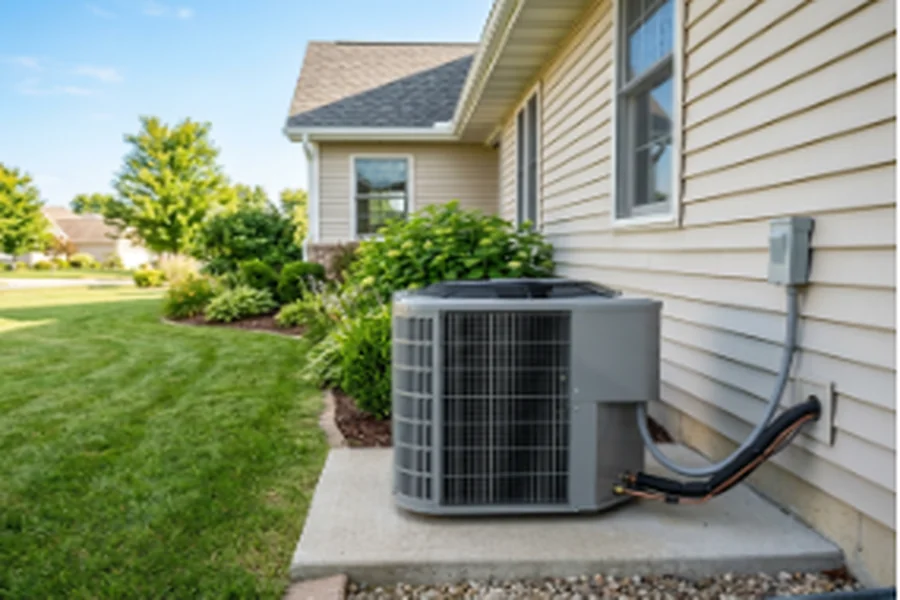
- Core Benefits of HVAC System Maintenance
- Lower Utility Bills and Peak Efficiency
- Preventing Expensive Repairs and Premature Replacement
- Essential Seasonal HVAC Maintenance Checklist
- Spring and Summer HVAC System Maintenance Tasks
- Fall and Winter HVAC System Maintenance Tasks
- Maintenance Strategies: Preventive, Corrective, and Predictive Upkeep
- Comparing Maintenance Approaches and Cost Trade-offs
- DIY Care vs. Professional Servicing: Safety and Protocol
- Safe Homeowner Maintenance Tasks
- When to Hire Licensed HVAC Technicians
- Frequently Asked Questions About HVAC Maintenance
- How often should an HVAC system be serviced?
- What are the main signs that an HVAC system needs immediate repair?
- How much money does regular HVAC upkeep save each year?
- Conclusion
Core Benefits of HVAC System Maintenance
Imagine your home or business losing its comfortable temperature on the hottest or coldest day. This scenario, often a result of neglected HVAC systems, highlights a common oversight. We rely heavily on our heating, ventilation, and air conditioning units, yet often forget they need care to perform optimally. Regular HVAC system maintenance isn’t just about preventing inconvenient breakdowns; it’s a smart investment in your property’s efficiency, the quality of your indoor air, and the longevity of your equipment. In this comprehensive guide, we will explore why proactive upkeep is essential, what tasks are involved, and how it ultimately saves you money and stress. Investing in reliable HVAC service can make all the difference.
Maintaining your HVAC system goes far beyond simply keeping it running. It’s a strategic approach to managing your property’s operational costs, ensuring occupant comfort, and contributing to a healthier environment. From reducing your monthly utility bills to extending the lifespan of expensive equipment, the advantages of regular HVAC care are substantial. When we prioritize routine inspections and tune-ups, we unlock a cascade of benefits that impact everything from our wallets to our carbon footprint.
Lower Utility Bills and Peak Efficiency
One of the most immediate and tangible benefits of consistent HVAC maintenance is the reduction in energy consumption and, consequently, lower utility bills. An HVAC system that isn’t regularly serviced can suffer from various issues that lead to significant energy waste. For instance, dirty condenser coils can force an air conditioning unit to work much harder, potentially increasing its energy consumption by up to 30%. Similarly, restricted airflow due to clogged filters can drag down a system’s Seasonal Energy Efficiency Ratio (SEER) ratings by as much as 15%.
HVAC systems are often the largest energy consumers in both residential and commercial buildings, accounting for approximately 40% of a building’s total energy bill. When components like filters, coils, and fans are clean and functioning correctly, the system can transfer heat more effectively and operate at its designed efficiency. Regular thermostat calibration also ensures that your system maintains desired temperatures without unnecessary overworking. Homeowners who adhere to a bi-annual service schedule commonly report energy bill reductions of 15% to 20%, demonstrating a clear financial return on their maintenance investment.
Preventing Expensive Repairs and Premature Replacement
Neglecting your HVAC system is akin to deferring essential car maintenance—it inevitably leads to more expensive problems down the road. Unplanned breakdowns, especially during extreme weather, often result in emergency repairs that can be three to five times more costly than scheduled maintenance visits. Critical components like compressors and heat exchangers are particularly vulnerable to wear and tear when a system is overworked due to poor maintenance.
A structured preventive maintenance program has been shown to reduce unplanned HVAC downtime by an impressive 73%. Moreover, it can prevent up to 95% of potential breakdowns. Studies indicate that a well-maintained HVAC system can last 15 to 20 years, while a neglected one might fail after only 8 to 10 years. This premature failure means you face the significant cost of replacing an entire unit much sooner than necessary. Every dollar invested in preventive HVAC maintenance can yield a documented return of 545% by averting costly emergency repairs and extending equipment lifespan.
Essential Seasonal HVAC Maintenance Checklist
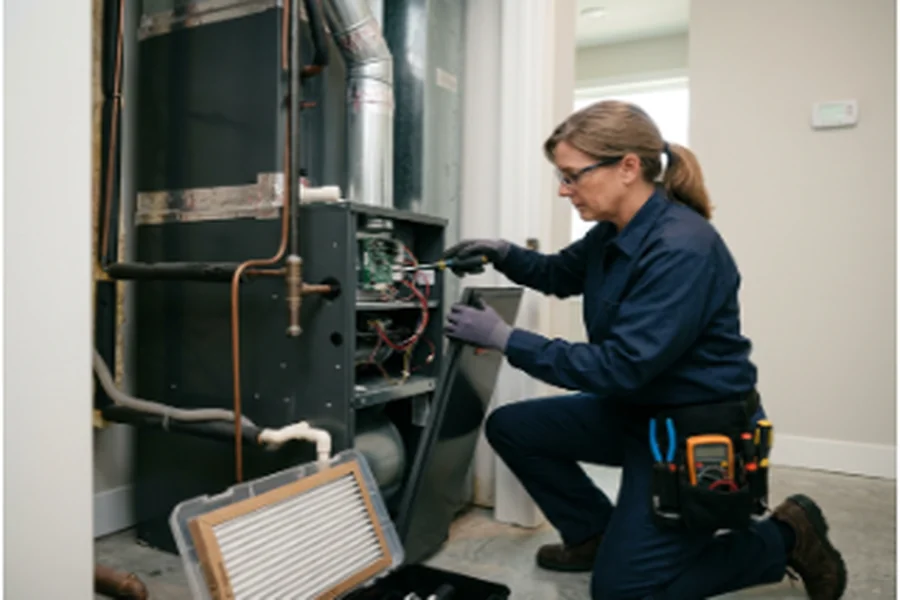
Effective HVAC maintenance isn’t a one-time event; it’s a continuous process that adapts to the changing demands of each season. Seasonal tune-ups are crucial for preparing your system for the unique challenges of summer heat and winter cold. Beyond professional visits, a comprehensive maintenance plan involves regular checks and tasks, including consistent filter schedules, ensuring condensate drains are clear, inspecting ductwork for leaks, and checking the blower assembly for optimal performance.
Spring and Summer HVAC System Maintenance Tasks
As warmer weather approaches, our focus shifts to cooling efficiency. Spring and early summer maintenance tasks are designed to ensure your air conditioning unit is ready to handle the heat. Key activities during this period include:
Refrigerant Charge Check: A professional will verify the refrigerant levels and inspect for any leaks, as low refrigerant can severely impair cooling capacity and efficiency.
Condenser Coil Cleaning: The outdoor condenser coils can accumulate dirt, leaves, and debris, which obstruct heat transfer. Cleaning these coils, often with a low-pressure hose, is vital for efficient operation.
Electrical Contacts and Wiring Inspection: Technicians will check and tighten electrical connections, ensuring safety and preventing potential failures. They will also inspect the capacitor and relay health.
Fan Motor Lubrication: Lubricating moving parts, particularly the outdoor fan motor, reduces friction and prevents premature wear.
Condensate Line Inspection: The condensate drain line can become clogged with algae or mold, leading to water backups and potential damage. Cleaning and flushing this line ensures proper drainage.
Airflow Balancing and Calibration: Technicians will test airflow and pressure, make necessary adjustments, and calibrate the thermostat to ensure accurate temperature control and optimal cooling performance. Ductwork may also be inspected for leaks.
Fall and Winter HVAC System Maintenance Tasks
With the cooling season behind us, it’s time to prepare our heating systems for the colder months. Fall and early winter maintenance focuses on safety, efficiency, and reliable warmth. Essential tasks include:
Combustion Analysis: For gas furnaces, a combustion analysis is critical to ensure safe and efficient burning of fuel, preventing the release of harmful gases.
Heat Exchanger Inspection: A cracked heat exchanger can pose a serious carbon monoxide risk. Annual inspection of this component is paramount for safety.
Burner Assembly Cleaning: Dirty burners can lead to inefficient heating and incomplete combustion. Cleaning them ensures optimal performance.
Ignition System Check: Testing the igniter or pilot light and its controls ensures your furnace will reliably start when needed.
Carbon Monoxide Testing: Beyond the heat exchanger, a technician will conduct carbon monoxide testing to ensure no dangerous leaks are present in the system or ductwork.
Safety Switches and Controls Verification: All safety controls and emergency shut-off mechanisms are tested to ensure they function correctly, providing peace of mind during operation.
Maintenance Strategies: Preventive, Corrective, and Predictive Upkeep
Understanding the different approaches to HVAC maintenance is crucial for developing an effective strategy, whether for a single home or a large commercial facility. These maintenance models dictate how and when service is performed, significantly impacting equipment lifecycle, operational reliability, and overall cost. From routine scheduled care to advanced condition monitoring, each strategy offers distinct advantages in optimizing your heating and cooling solutions.
Comparing Maintenance Approaches and Cost Trade-offs
When it comes to keeping HVAC systems running, we generally categorize maintenance into three primary strategies:
Preventive Maintenance (PM): This proactive approach involves performing scheduled tasks at fixed intervals, regardless of the equipment’s current condition. It’s like a regular oil change for your car—you do it after a certain mileage or time to prevent future problems. PM includes tasks such as filter changes, coil cleaning, and system inspections. The goal is to reduce the likelihood of failure, extend equipment life, and maintain efficiency. PM significantly reduces unplanned downtime and is far more cost-effective than waiting for a breakdown.
Corrective Maintenance (CM) / Reactive Maintenance: This is the “fix-it-when-it-breaks” approach. Maintenance is only performed when an equipment failure occurs or a problem is detected. While it might seem to save money in the short term by avoiding scheduled interventions, reactive maintenance is typically 3 to 5 times more expensive than planned preventive work. It often leads to costly emergency repairs, extended downtime, and potential secondary damage to other components.
Predictive Maintenance (PdM): This advanced strategy uses sensor data, performance metrics, and analytical tools to monitor equipment condition in real-time. PdM allows us to anticipate failures before they happen, scheduling maintenance only when it’s genuinely needed. For example, sensors might detect unusual vibrations, temperature spikes, or changes in energy consumption that indicate an impending issue. While requiring an initial investment in technology (like CMMS automation and IoT sensors), PdM maximizes equipment uptime, optimizes maintenance schedules, and can lead to significant lifecycle savings and enhanced operational reliability.
Modern facility management increasingly leverages Computerized Maintenance Management Systems (CMMS) to streamline PM and PdM programs. These tools centralize asset data, automate work order generation, track task completion, and provide valuable insights into equipment performance and failure trends. Implementing a robust CMMS can reduce unplanned downtime by 73% and extend equipment life by up to 10 years, making it an invaluable asset for managing complex heating and cooling solutions.
DIY Care vs. Professional Servicing: Safety and Protocol
Maintaining your HVAC system involves a blend of tasks that homeowners can safely perform and those that absolutely require the expertise of a licensed professional. Understanding this distinction is crucial for both safety and ensuring your system operates efficiently without voiding warranties. While some basic homeowner maintenance can contribute significantly to your system’s health, delving into complex areas like refrigerant handling or high-voltage electrical work without proper training and tools can be dangerous and detrimental to your equipment.
Safe Homeowner Maintenance Tasks
There are several straightforward HVAC maintenance tasks that homeowners can (and should) integrate into their routine. These simple steps can have a big impact on efficiency and air quality:
Filter Replacement: This is arguably the most important DIY task. We should inspect our air filters monthly and replace disposable ones every 1 to 3 months, depending on usage, filter type (e.g., MERV ratings), and household factors like pets or allergies. Always note the direction of airflow indicated on the filter.
Clearance Perimeter: Ensure the outdoor condenser unit has at least two feet of clear space around it, free from debris, vegetation, or anything that could obstruct airflow. Trim back bushes and clean away leaves or dirt.
Clean Supply Registers and Vents: Regularly vacuum or wipe down indoor supply and return registers to prevent dust buildup, which can impede airflow.
Basic Cleaning: Gently hose off the outdoor condenser coils to remove surface dirt (after turning off the power to the unit). Ensure the condensate drain line is clear; a simple vinegar solution poured down the line can help prevent algae growth.
Visual Checks: Periodically listen for unusual noises, check for strange odors, and look for any visible signs of wear or damage. Test your carbon monoxide detectors regularly.
When to Hire Licensed HVAC Technicians
While DIY tasks are valuable, many critical aspects of HVAC maintenance require specialized knowledge, tools, and certifications. Attempting these tasks yourself can be dangerous, ineffective, and may even void your system’s warranty. We should always call a licensed HVAC technician for:
Refrigerant Handling: Refrigerant is a hazardous chemical, and its handling, charging, or disposal is strictly regulated by the EPA. Only EPA-608 certified technicians are qualified to work with refrigerants.
High Voltage Electrical Work: HVAC systems contain high-voltage components that can cause serious injury or death if not handled correctly. Professionals are trained to safely inspect, tighten, and repair electrical connections.
Gas Piping and Combustion Analysis: For gas furnaces, tasks involving gas lines, burner adjustments, and combustion analysis to detect carbon monoxide leaks require expert knowledge and specialized equipment to ensure safety.
Motor Lubrication and Component Inspection: While some motors are sealed, others require specific lubrication. Technicians also perform detailed inspections of belts, bearings, and other internal components that homeowners cannot easily access.
Diagnostic Testing and Calibration: Professionals use sophisticated tools to test system pressures, airflow, temperature differentials, and calibrate thermostats and other controls to ensure optimal performance.
Warranty Compliance: Most manufacturers require documented annual professional service to keep warranties valid. DIY repairs or lack of maintenance records can lead to costly out-of-pocket expenses if a major component fails.
Frequently Asked Questions About HVAC Maintenance
We often encounter common questions about HVAC maintenance. Addressing these helps clarify expectations and empowers property owners to make informed decisions about their heating and cooling systems.
How often should an HVAC system be serviced?
For residential properties, the consensus among industry experts, including ENERGY STAR, ACCA Standard 4, AHRI, and major manufacturers, is a biannual cadence. This means twice a year:
Spring: Schedule an air conditioning tune-up before the cooling season begins (typically March-May).
Fall: Schedule a heating tune-up before the heating season begins (typically September-November). This dual approach ensures both heating and cooling components are prepared for peak demand.
For commercial properties, service frequency often increases due to heavier usage and larger, more complex systems. Rooftop units might require quarterly inspections, while critical facilities could benefit from monthly checks. Factors like climate (e.g., coastal environments with salt air), system age, and specific household conditions (e.g., pets, allergies, construction dust) can also influence the optimal service frequency, sometimes necessitating an additional mid-season check.
What are the main signs that an HVAC system needs immediate repair?
Being attuned to your HVAC system’s behavior can help you catch problems early, potentially preventing minor issues from escalating into major breakdowns. Here are key signs that indicate your system needs immediate professional attention:
Unusual Noises: Grinding, squealing, banging, hissing, or bubbling sounds are not normal and often point to mechanical issues, refrigerant leaks, or fan problems.
Short Cycling: If your system turns on and off frequently without completing a full heating or cooling cycle, it could indicate an improperly sized unit, a thermostat issue, or a more serious mechanical problem like an overheating compressor.
Ice Accumulation: Ice on the outdoor unit (in cooling mode) or on the indoor evaporator coil is a critical sign of low refrigerant, a clogged air filter, or poor airflow, which can lead to compressor damage.
Burning Odors: A burning smell can indicate electrical issues, overheating components, or even a fire hazard. Turn off your system immediately and call a technician.
Rising Energy Bills: A sudden, unexplained spike in your utility bills, without a corresponding change in usage, often signals a significant drop in efficiency due to a failing component or a system struggling to keep up.
Reduced Airflow or Inconsistent Temperatures: If some rooms are much warmer or colder than others, or if the airflow from vents is weak, it suggests ductwork issues, a failing blower motor, or other performance problems.
How much money does regular HVAC upkeep save each year?
The financial benefits of consistent HVAC maintenance are substantial and accrue through several avenues:
Energy Bill Reduction: A well-maintained system can operate 20% to 40% more efficiently than a neglected one. Homeowners following a bi-annual service schedule typically see 15% to 20% lower energy bills. Over a year, this can translate into significant savings.
Avoided Breakdowns and Emergency Repairs: Preventive maintenance can avert up to 95% of breakdowns. Emergency repairs are not only inconvenient but also significantly more expensive, often costing three to five times more than scheduled maintenance. Avoiding even one major emergency repair can save hundreds, if not thousands, of dollars.
Extended Equipment Lifespan: Neglected HVAC systems can die 8 to 10 years earlier than maintained ones. By extending your system’s life from 10-12 years to 18-25 years, you defer the substantial cost of a full system replacement for many years, representing a massive long-term saving.
Warranty Preservation: Many manufacturers require documented annual professional maintenance to keep your warranty valid. Without this, you could face the full cost of a major component replacement if it fails prematurely.
Improved Performance and Comfort: While not a direct monetary saving, consistent comfort and optimal indoor air quality contribute to overall well-being and productivity, which has an indirect value.
Overall, the documented 545% return on every dollar invested in preventive maintenance underscores its role as a wise financial decision for any property owner.
Conclusion
The importance of regular HVAC system maintenance cannot be overstated. It is a fundamental aspect of proactive property management that yields substantial returns in energy efficiency, cost savings, and occupant comfort. By understanding the core benefits, adhering to seasonal checklists, differentiating between DIY and professional tasks, and embracing modern maintenance strategies, we can ensure our heating and cooling systems perform optimally for years to come.
Investing in consistent upkeep is not merely about fixing problems; it’s about preventing them, preserving the operational performance of critical equipment, and fostering a comfortable, healthy indoor environment. As we move further into 2026 and beyond, prioritizing HVAC maintenance is more than a recommendation—it’s an essential practice for achieving long-term value and maintaining peak equipment health.
