
 James
James
- Introduction
- Preparing for Your First Ice Bath
- Setting Up the Ice Bath Safely at Home
- Mental Readiness and Overcoming Pre-Bath Anxiety
- Physical Sensations During Your Initial Ice Bath
- Immediate Feelings When You Step In
- Typical Reactions You Might Experience (Numbness, Shivering, Tingly Skin)
- Breathing Techniques to Stay Calm in the Cold
- Step-by-Step Guide: Box Breathing for Beginners
- How Deep Breathing Affects Cold Exposure and Relaxation
- Dos and Don’ts for Your First Ice Bath Experience
- Essential Dos for a Safe and Enjoyable Ice Bath
- Common Mistakes Beginners Make—and How to Avoid Them
- Conclusion
- Frequently Asked Questions
- Is anxiety normal before an ice bath, and how can you manage it?
- What are the main benefits of trying ice baths for beginners?
Introduction
The ice bath may seem like a straightforward task, but once you start your first time will feel larger than anticipated. The cold water comes on quick, your breathing alters and your mind may want to go right away. However, cold therapy is still used by many to aid in recovery from muscle damage, to alleviate muscle soreness, to sharpen one’s mental focus and to calm one’s mind. Knowing what to anticipate makes going through the experience much easier.
Preparing for Your First Ice Bath
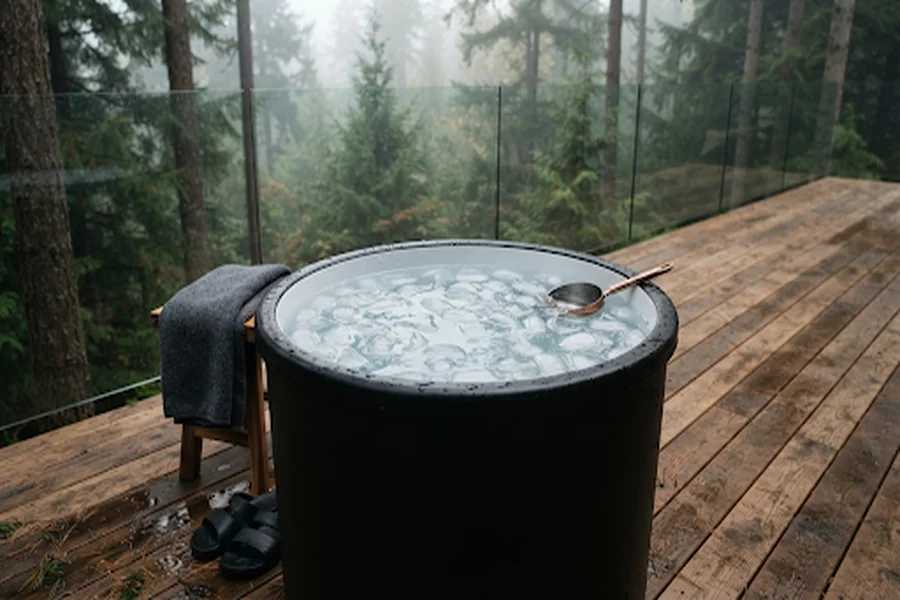
Before your first cold shower water immersion, keep your preparation simple. You do not need an extreme setup. An ice bath with controlled water and a plan for getting in and out is enough for beginners.
Equally vital, is getting mentally ready for cold shock. Some discomfort is to be expected in the first few moments. Knowing that cold plunging feels punchy in the first few moments makes it less likely you will be panicked, particularly if it is cooler than 40°. Now, let’s examine safe home set up and mental preparation.
Setting Up the Ice Bath Safely at Home
At home, safety is more important than making the water extremely cold. You don’t need a heavy ice bath right away; even a basic hot tub or tub works if you control the temperature and keep your first immersion brief.
A simple setup includes:
- A bath or portable tub on a stable surface
- Cold water, then some ice cubes
- Towel and warm clothes for afterwards
- Easy access for safe exit
Some prefer home units with precise temperature control for regular use. Lifespan Fitness offers tubs, barrels, and chillers that cool water to 3°C. Beginners should start gently instead of aiming for the lowest temperature.
Mental Readiness and Overcoming Pre-Bath Anxiety
Before taking a plunge, it’s normal to feel some anxiety. The most common concerns of a first-time diver are loss of breath, cold shock and sting from the fins. This is a reaction, you’re feeling the cold, not weak. If you’re not sure it’s best to ask a healthcare professional before undergoing the cold plunge.
To boost mental readiness:
- Decide on immersion time beforehand
- Remember the first 20–30 seconds are toughest
- Focus on one slow breath at a time
For example, count four slow breaths before stepping in. This simple routine gives your mind a clear task and can reduce pre-plunge stress while supporting mental health.
Physical Sensations During Your Initial Ice Bath

Your first cold water immersion usually starts with a fast, sharp rush. The ice water feels shocking, your skin tightens, and your nervous system reacts at once, allowing you to quickly understand the ice bath benefits. This is the part that surprises most beginners.
After that, your body temperature starts adjusting, and the feeling often becomes more tolerable. Mentally, you may switch between “I can do this” and “I want out,” which generates a sense of accomplishment. That is why knowing the early sensations helps so much.
Immediate Feelings When You Step In
The first instant that you enter into cold water is a shock, and a lot of people start breathing heavily, may clench or experience pressure on their chest for a couple of seconds. This is a normal reaction to sudden cold.
Usually, discomfort will spread next. Your legs may feel stinging and your hands, feet and lower body may feel cold. If it’s sore muscle straining from recent exercise, it will feel worse at first.
For instance, your thighs may hurt for a minute post-resistance training, as compared to other regions. This may be unexpected, but typically subsides when you relax and make your breathing slower.
Typical Reactions You Might Experience (Numbness, Shivering, Tingly Skin)
As body temperature drops, a few reactions are very common. Numbness in the hands or feet, shivering, and tingling skin often show up early, which can put stress on the cardiovascular system. These sensations can feel strange, but they are part of how many people experience cold exposure.
| Sensation | What it may feel like |
| Numbness | Fingers or toes feel dull and less responsive |
| Shivering | Small body tremors as you react to the cold, possibly stimulating brown fat activity. |
| Tingling | Pins-and-needles feeling on the skin, especially legs and arms |
These reactions can make beginners think they are failing, but that is not the case. The key is noticing the sensation without panicking. If it feels overwhelming, end the session calmly and warm up with dry clothes afterwards.
Breathing Techniques to Stay Calm in the Cold
The best breathing technique for your first ice bath is simple and steady. The activation of your vagus nerve can enhance this process. Short, panicked breaths make cold immersion feel harder. Slower breathing helps you stay in control when cold exposure spikes.
This matters because breathing affects your nervous system. A calm rhythm can support relaxation and may help you settle faster in the water for sports medicine benefits. Let’s start with one beginner-friendly method you can use straight away.
Step-by-Step Guide: Box Breathing for Beginners
Box breathing is a simple technique that gives your mind a clear pattern, making it ideal for beginners. During cold water therapy, this structure can calm racing thoughts and boost mental clarity when the cold hits, especially when used in combination with contrast therapy.
Try this pattern:
- Inhale through your nose for 4 seconds
- Hold for 4 seconds
- Exhale slowly for 4 seconds
- Hold for 4 seconds
Do one or two rounds before getting in, then repeat once you’re settled. If four seconds is too long, shorten it. Focus on rhythm and control, not perfection.
How Deep Breathing Affects Cold Exposure and Relaxation
A deep breath can interrupt panic. During cold shock and colder temperatures, many people breathe rapidly and shallowly, making the experience feel more intense.
Slower breathing helps you refocus on the present. For some, this quickly steadies the heart rate. The cold remains, but your mind stops amplifying it.
Remember: your first goal isn’t to enjoy the water—it’s to relax enough to stop resisting it. Once your nervous system settles, ice baths usually feel more manageable.
Dos and Don’ts for Your First Ice Bath Experience
A good first ice bathing session is short, safe, and planned. The most useful cold therapy safety tips are often the simplest ones. Do less, not more, on day one.
That means setting up properly, keeping your expectations realistic, and paying attention to how your body responds to practices like the Wim Hof method. Before you try it, it helps to know both the smart moves and the common beginner errors.
Essential Dos for a Safe and Enjoyable Ice Bath
Start with the basics. A safe ice water session can be brief and still effective. While many use cold water therapy for recovery, beginners should prioritise comfort and consistency.
Follow these tips:
- Keep your first session short
- Have warm clothes and a towel ready
- Enter slowly and focus on your breathing
- Stop if it feels too intense
For example, try a quick post-workout dip instead of pushing your limits. This way, you can learn how your body reacts without making it harder than it needs to be.
Common Mistakes Beginners Make—and How to Avoid Them
The biggest beginner mistake is entering cold water too quickly. Many also treat cold plunges as challenges rather than recovery tools, making the experience harder for optimal muscle growth.
Avoid these mistakes:
- Staying in longer than planned
- Rushing in despite feeling anxious
- Trying it without medical advice if you have high blood pressure or heart issues
If unsure, keep it simple. People with medical conditions should consult a doctor first. For everyone else, patience makes for a better first session than bravado.
Conclusion
In conclusion, your first ice bath can be a transformative experience with benefits for both body and mind, from faster recovery to greater mental resilience and mental toughness. The initial cold may cause numbness or shivering, but using techniques like box breathing can help you stay calm. Prepare carefully, ensure safety, and avoid common beginner mistakes. Embrace the process as a step toward better endurance and well-being. Ready to learn more? Book a free consultation with our experts to guide you on your ice bath journey!
Frequently Asked Questions
Is anxiety normal before an ice bath, and how can you manage it?
Yes, anxiety is common before cold therapy, especially after intense physical activity. The best way to manage it is to expect the first cold shock, slow your breathing, and decide your session length before you begin. That gives your nervous system a clearer path towards relaxation and better mental health support.
What are the main benefits of trying ice baths for beginners?
Beginners usually try cold water immersion for muscle recovery after intense exercise, reduced soreness, better mental clarity, and stress relief. Some also like the routine of managing body temperature changes. While people mention the immune system too, the main early benefit is learning a safe, repeatable recovery habit.
