
 James
James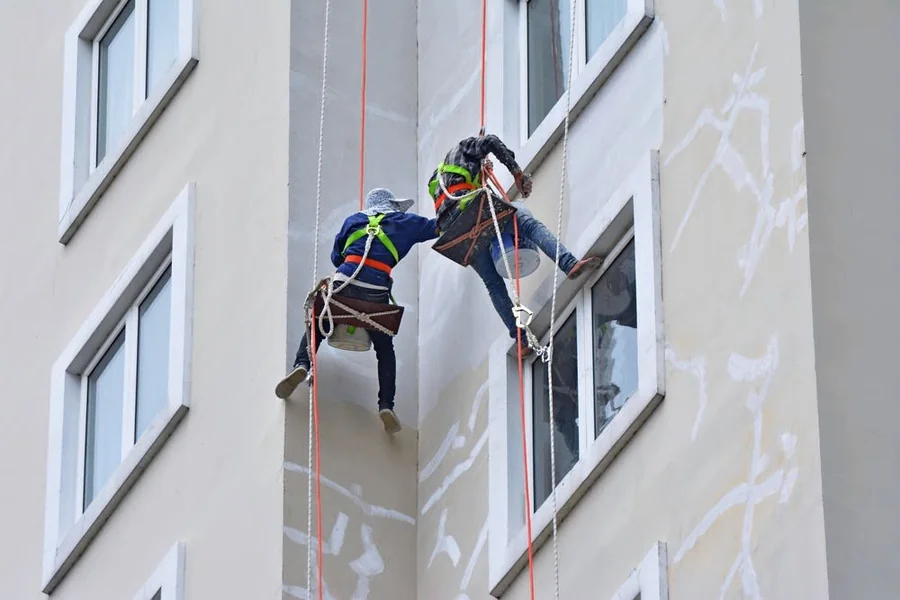
Serious falls do not always have a serious-looking beginning. A work area can appear mostly safe while a few details are slightly out of place. A worker may have less room to move, an access route may not be convenient, or a protective feature may not be available. Each issue can seem manageable until they begin to affect one another.
A worker who has to adjust movement because of one problem may then face another, creating a chain of conditions that increases the chance of a fall. The causes of elevation-related accidents can develop through this kind of chain, where several small safety problems come together.
A Minor Hazard Can Affect a Worker’s Balance
Balance can change quickly on an elevated surface. A worker can possess sufficient room to stand but a loose tool, fragment of material, wet area, or a rough surface could render the room less safe. The issue might not seem grave on the ground, but it might interfere with how an individual stands or moves whilst in work.
A similar issue can be caused by clutter. The presence of tools and materials in and around a walking path may cause a worker to avoid stepping on them or having to change course. Additional movement may prove to be more difficult to control on a platform, roof, scaffold or some other raised platform.
Poor Access Can Create Extra Movement
Climbing onto or off a high place is also included in the task, but access is sometimes a minor detail. Some awkward step can be a ladder, a blocked stairway, or the path to a work area.
Such conditions might lead to workers stretching, turning or reaching in a manner that is not as stable in movement. Access may be further difficult by carrying tools or materials. An employee who is required to work with equipment and is also faced with poor access has additional issues to consider simultaneously.
Safe movement cannot just be a factor of the surface on which the work is being done. The direction to that surface is important as well.
Missing Safety Measures Can Add to the Risk
A guardrail, barrier or fall protection system might look like a single component of a bigger worksite apparatus but the lack of any could alter the degree of shielding that a worker has.
An opening that is small and encircled by a high work area can be more worrying when it lacks some sort of barrier. A platform can also get difficult to use with safety when a protective feature is broken or eliminated. These issues can be even more critical in case of other risks in the area.
The following are some of the fundamental safety information that might be interesting:
- Barriers and guardrails over high edges.
- Proper fall protection equipment
- Access to elevated work areas is safe.
- Clean walking and working floors.
- Guarding about openings and exposed edges.
A failure to be safeguarded does not necessarily lead to an accident in itself but rather can provide less space to rectify another safety issue.
Worksite Changes Can Introduce New Hazards
Areas under construction and maintenance may vary during the day. Materials are transported, equipment is delivered, workers switch workplaces, various assignments are performed in the vicinity of the same location. What seemed obvious previously can be completely different in the future.
Such changes may result in emerging problems without anybody realizing it at the time. A passage can be blocked, a tool can be left close to an edge or equipment can render an access route difficult to traverse. Even temporary changes can impact the way a worker can move across a raised area.
The environment is thus as important as the surface itself. A safe arrangement should consider the work that is actually occurring in the environment of the set-up.
Several Small Problems Can Work Together
The larger risk is frequently observed when there is a number of little issues simultaneously. Inaccessibility can mean additional movement is needed whereas clutter reduces the space to move. The absence of a barrier may in turn cause less protection in case the worker slips.
All these conditions do not have to be dramatic in itself. Combined, however, they may provide a far more difficult situation to control in a safe manner. This is among one of the reasons why the causes must be considered as a set of conditions and not as a single apparent risk.
When the entire work area is looked at, it might be possible to see connections which are not very easy to view when the problems are looked at on an individual basis.
Small Safety Issues Deserve Attention
Accidents that are altitudinal may evolve out of common issues that may not have much attention on their own. Unstable footing, accessibility, lack of protection, altering working conditions, and debris can all influence the safety with which an individual acts and moves above the ground.
The causes of elevation-related accidents may therefore involve several conditions working together. Evidence such as photographs, inspection records, or worksite reports can help show how these smaller safety problems were connected. Paying attention to these details can provide a clearer picture of how risks develop and why minor issues deserve proper attention before they become part of a larger accident.
