
 James
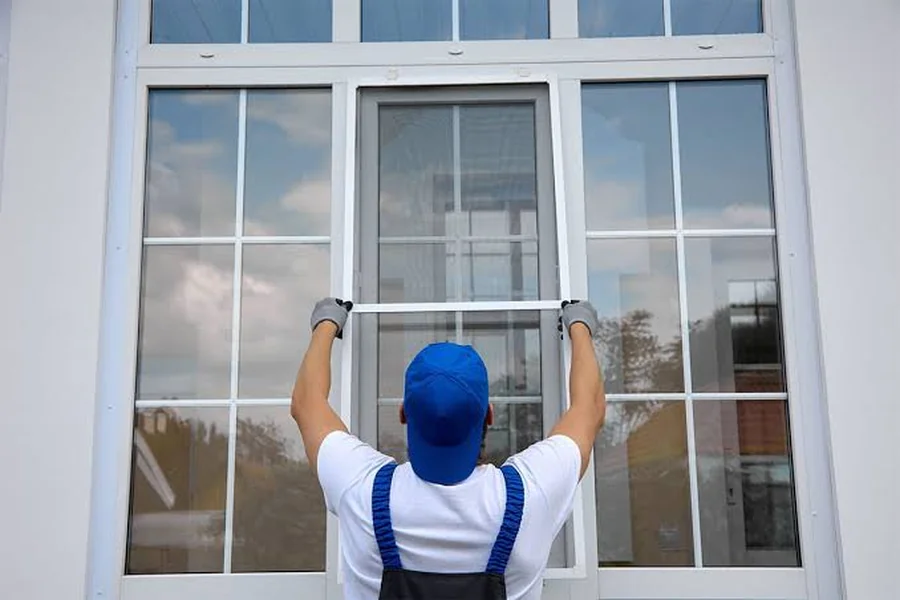
Last August my electric bill hit $412, and the house was still warm at 9 p.m. Nothing had changed except the calendar. Then I put my hand near the frame of the west facing window in the den and felt hot air pushing through a seam that looked perfectly fine from the inside of the room. That was the moment I stopped wondering whether the windows mattered and started writing down which ones actually did.
Here’s the short version I wish someone had handed me first: replace windows room by room, not house by house, and let comfort and glass condition drive the decision instead of age alone. Your house is a stack of differently loaded surfaces, and the sun hits a few of them far harder than the rest. If you would rather skip the diagnosis and get eyes on the frames, you can start with professional windows and doors installation in Dallas and have someone walk the house with you. Either way, decide before you buy.
What follows is the order I’d actually work in, starting with the rooms that earn their money back fastest.
Start With the Rooms That Face the Worst Sun
North Texas summers push heat in from the west and southwest all afternoon, and that’s where you should spend your first dollar. In my house the den faces due west. It’s the room nobody wanted to sit in after lunch, and the carpet under that window had faded to a pale stripe while the rest of the floor stayed dark.
Here’s the mental model I use, and I call it the Priority Stack. Rank every window by four things: hours of direct sun it takes, whether anyone actually sits near it, how hard the frame fights back when you press on it, and whether you can see daylight around the edges when the latch is locked. The window that scores worst across all four goes first. That window is almost never the one you noticed when you bought the house.
The reason sun exposure matters so much comes down to climate, and it isn’t a small factor. According to the National Weather Service, North Texas regularly records summer high temperatures at or above 100 degrees, and that sustained load is what ages sealants, glazing, and hardware faster here than in milder parts of the country.
My west facing den climbed to 88 degrees by mid afternoon on days when the thermostat was set to 74. That’s not a window problem you fix with a curtain. That’s a window problem.
Condensation, Failing Seals, and Other Signs That Don’t Lie
Fog between the panes is the easiest read in the whole house. If you can’t wipe it off from either side, the seal is gone and the insulating gas has already left the building. You’re now looking through a decorative panel, not an insulated one. That window is done, and no amount of caulk will bring it back.
Other signs worth trusting:
- Wood frames that crumble or feel soft when you press a screwdriver into the sill
- Paint that keeps peeling in the same spot every year, no matter how well you prep it
- Latches and cranks that no longer pull the sash tight against the weatherstripping
- A visible gap along the frame when the window is locked, wide enough to slide paper through
Squeaky hardware is just noise. Crumbling wood is load bearing. I’d ignore the first and replace the second.
What Windows Actually Do to Your Energy Bill
I won’t hand you a percentage, because anyone quoting an exact figure for your house is guessing. Here’s what I can tell you truthfully. The U.S. Department of Energy treats windows as one of the biggest sources of heat gain and heat loss in a typical home, which is why it maintains a rating system for them in the first place. That’s the honest reframe: you’re not buying a bill reduction, you’re buying a smaller guess at what the next hundred degree afternoon costs you.
What I got from replacing four windows on the west and south walls was a den that finally held 76 on its own, and an electric bill that dropped by maybe $40 in the worst month. Not a fairy tale. Real, and worth it, and nowhere near enough to justify doing the whole house at once if the rest of the frames are sound.
That’s why I argue against the all at once approach so hard. It’s a bigger loan, a longer disruption, and most North Texas homes have three or four windows doing all the damage. Find those, fix those.
Doors Get Ignored, and They Shouldn’t
Every time I’ve walked a house with somebody, they start at the windows and forget the door they use forty times a day. Your front entry and your patio slider are windows with hinges, and they fail the same way. The weatherstripping flattens. The threshold drops. The frame racks slightly out of square, and you can feel the air move near the bottom corner in February.
If your sliding patio door sticks in July and whistles in January, that’s not a door that needs a stronger arm. Check the track, check the rollers, and check whether the panel sits flush when closed. Fiberglass entry doors hold up better than wood in this climate, mostly because they don’t soak up humidity the way wood does, and vinyl sliders stay straighter over the years than the old aluminum ones did.
A Five Step Way to Decide Before You Spend
Work it in this order and you’ll avoid buying the wrong thing.
- Walk the house at 3 p.m. in August and again at 7 a.m. in January. Note which rooms feel wrong at which hour.
- Press the sill and the frame at every window. Soft wood and a visible gap move straight to the list.
- Look for fog between panes. Fog means sealed unit failure and an immediate replacement candidate.
- Rank what’s left using the Priority Stack. Sun hours, use, frame condition, gap. Worst score goes first.
- Get quotes for the top of the list only, then decide whether the next tier is worth it.
One thing people skip: check whether your windows are still under any manufacturer warranty before you assume you’re paying full price. It’s a five minute call and it’s saved people real money.
Lead paint is worth a mention for older housing stock, since windows in pre-1978 homes are a known source of dust when they’re opened and closed. The Environmental Protection Agency maintains the rules and certified contractor requirements that apply to renovation work in those homes, and any installer you hire should know them cold. Ask. The answer tells you something about how they run a job.
What to Ask Before You Sign Anything
Ask who measures. It should be the person responsible for the fit, not a sales rep passing numbers to a crew. Ask what happens if a unit arrives the wrong size, and who eats that week of delay. Ask for the names of two jobs from the last six months on houses like yours, and then drive by them. And ask whether the installer pulls permits if your city requires them, because some do and some quietly don’t.
I’d pay a premium for a company that measures its own work and warranties the labor alongside the product. Install quality decides how long a good window stays a good window, and in a climate that swings from 15 degrees to 105 across the year, sloppy flashing and thin caulk will find you within a couple of winters.
None of this is complicated. It’s just boring enough that most people skip it and buy the whole house on a brochure and a payment plan. Don’t be most people.
So here’s your assignment for this weekend. Pick the hottest afternoon you’ve got, walk the house with a thermometer and a notepad, and write down which rooms betray you. That list is your budget. Which window is going on it first?
