
 James
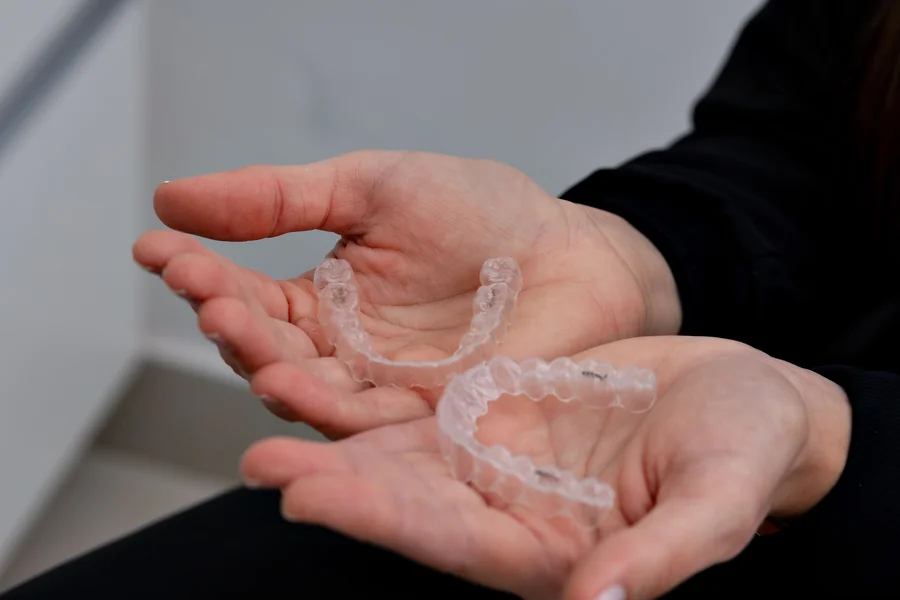
To citizens of New Albany, Indiana, the journey to the braces or clear aligners can be as simple as this: to have a straight smile. Nevertheless, much more than the appearance may be affected by the orthodontic treatment. It may alter your eating habits, brushing your teeth, talking, and daily routine.
Regardless of whether you are planning to treat yourself or your child, it can help you plan how to deal with these changes. The process of orthodontics is gradual, and patients need to be patient and attend to them regularly. These findings are not restricted to pictures or unique events. They may also influence your oral health, day-to-day comfort and confidence even after treatment.
- Choosing the Right Orthodontic Care for Your Lifestyle
- Better Alignment Can Make Everyday Cleaning Easier
- Your Bite Influences More Than Your Smile
- Eating Habits Often Change During Treatment
- Speaking and Social Confidence May Take Time to Adjust
- Orthodontic Treatment Requires Consistency and Patience
- Retainers Protect Your Results After Active Treatment
- The Long-Term Benefits Depend on Your Daily Habits
Choosing the Right Orthodontic Care for Your Lifestyle
The orthodontic treatment is done with regular check-ups, braces and check-ups. The process can be managed by selecting a provider that can get you what you need.
If you’re considering braces or aligners, consulting a New Albany orthodontist or a specialist serving the surrounding communities can help you understand which treatments suit your teeth, bite, and daily routine.
In the first appointment, an orthodontist checks your teeth position, checks the bite, and tells you about potential options of treatment. These can be conventional metal braces, ceramic braces, or removable clear aligners.
Appearance is not the only consideration to make. Consider the scheduling of appointments, service needs, and the extent of responsibility of each treatments.
As an example, removable aligners can be worn on a daily basis, whereas fixed braces must be carefully tended to by brackets and wires.
Your dental needs ought to be met with a appropriate treatment plan that is also practical to your lifestyle.
Better Alignment Can Make Everyday Cleaning Easier
Twisted or crowded teeth may pose constrictions in which the teeth are hard to clean well. These areas may accumulate food particles and plaque, which predisposes the possibility of cavities and gum inflammation.
Treatment can enhance the placement of teeth, which could make it easier to brush and floss teeth once they are straightened.
Nonetheless, oral hygiene will have to be taken care of during treatment.
Braces leave gaps between brackets and wires where the plaque may build up. You might require interdental brushes, floss threaders or water flosser to clean.
The presence of clear aligners brings about new responsibilities. You are to take out before you can eat, and brush your teeth before you will put back in.
Regular dental cleanings remain important throughout treatment.
Straightening your teeth does not automatically prevent dental problems. Good results depend on maintaining healthy habits before, during, and after orthodontic care.
Your Bite Influences More Than Your Smile
Orthodontics is not all about making teeth look straight. It also deals with the manner in which your upper and lower teeth fit.
An imbalanced bite may occasionally be one of the factors that lead to challenges in chewing, abnormal wear of the teeth or discomfort of contact between teeth.
As an illustration, some crossbites could make the individual teeth to feel imbalanced when biting.
These relationships are assessed by an orthodontist when he is creating a treatment plan.
The alignment may be corrected to aid in enhancing teeth meeting and biting forces distribution.
Nevertheless, orthodontics is not viable in ensuring that all symptoms associated with the jaw are alleviated. The causes of jaw discomfort may be various and they need to be assessed separately.
Other factors your orthodontist might look into include jaw development, tooth spacing and dental restorations that are in place.
These functional issues can aid in understanding why sometimes the advice on treatment may vary among individuals who have similar-looking smiles.
The mission is as follows: To promote a healthier bite and a better look.
Eating Habits Often Change During Treatment
When orthodontic treatment is started, food turns into a crucial factor.
The hard or sticky food may destroy the brackets and wires with the traditional braces. Possible unnecessary trouble may be created by popcorn kernels, chewing candy and biting directly into hard apples.
Adjustments may include you having to cut some of the food into smaller sizes or you may need to eat more softer foods.
Clear aligners have more freedom at meal times since the trays can be taken out.
But you have to remove them prior to eating and usually prior to consuming anything else besides pure water.
Snacking several times may be a hassle as you constantly take out, clean, and re-insert aligners.
Majority of clear aligner treatment regimens also entail the use of the trays around twenty to twenty-two hours per day.
These changes can be annoying in the first place, but they become less complex with time and you develop good habits.
Speaking and Social Confidence May Take Time to Adjust
The initial experience of orthodontic treatment can be quite unfamiliar, as you feel to be struggling when you speak or smile in response to an appliance you have.
Braces can temporarily cause irritation to the inside of your cheeks and clear aligners can also result in small changes in pronunciation.
A few individuals can feel a temporary lisp at the very outset of using aligners.
These changes tend to get better as the mouth changes even though all individuals experience differently.
The way you like to look can also determine your level of comfort during social events.
Adolescents are concerned with school portraits, and adults are afraid of being embarrassed at professional events, during a presentation.
Luckily, orthodontic appliances are widespread among various age groups.
With the course of treatments, most patients develop a lot of comfort in their looks.
You may also experience some discomfort or difficulty telling words, so you need to consult your orthodontist instead of trying to manipulate appliances on your own.
Orthodontic Treatment Requires Consistency and Patience
The process of moving teeth in new positions is a slow biological process. Orthodontics use a regulated force that stimulates the alteration of bones that support your teeth.
This is a time consuming process which needs close observation.
Depending on the complexity of your case, treatment may last several months or longer than two years.
Regularly attending appointments will ensure that your orthodontist monitors the progress and adjustments are made.
Patients in clear aligners need to be educated on how to wear them daily, and change the trays.
Individuals using braces ought not to engage in habits that could destroy their appliances such as biting hard objects or chewing ice.
Cases of occasional soreness due to adjustments are normal, but painful cases that are intense and persistent should be considered.
Adherence to the instructions as per the treatment will help minimize unnecessary inconveniences and assist in the intentional flow of your teeth.
Retainers Protect Your Results After Active Treatment
Braces removal or the final aligner does not imply that you are over with orthodontic care.
It is possible that the teeth may change gradually following treatment since the tissues around them are also adjusting to the new position.
Retainers assist in keeping everything in line and they minimize the chances of undesired movement.
Your orthodontist might suggest removable retainers, fixed retainers or both.
The suggested wear schedule will be based on your personal situation.
Other patients will have removable retainers on some time before switching to nighttime wear.
Others might require nightly retention.
Proper cleaning of retainers and safe storage of removable appliances is also of importance.
In case a retainer gets broken or no longer fits in place, call your orthodontist immediately.
It is a continuous process of maintenance and results though your results may not be visible post-treatment.
The Long-Term Benefits Depend on Your Daily Habits
The dental alignment, the functionality of the bite, and making certain portions of your mouth simpler to clean can be enhanced by orthodontic treatment.
Yet, the advantages partly lie in your ability to take care of your oral health.
Keep brushing teeth twice a day with fluoride toothpaste, flossing, and see the dentist regularly.
As instructed by your orthodontist, wear retainers, and inform him or her of any apparent changes in the position of your teeth.
The other thing is to be realistic.
Straight teeth do not make the cavities, gum disease, or other dental concerns impossible.
Considering orthodontic treatment as a component of your more comprehensive dental healthcare program.
With proper hygiene and proper professional attention coupled with long-term retention, orthodontics may offer benefits that go far beyond a straighter smile.
Those gains may be preserved even many years later with the help of the daily habits that you can form in the course of treatment.
