
 Steve Wiideman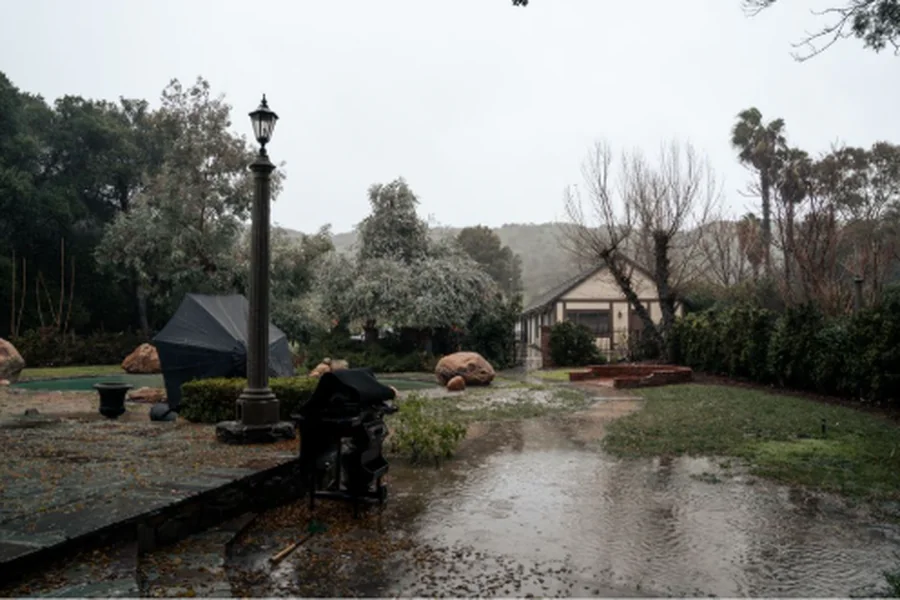
A yard should feel like a place where you can relax, grill dinner, or let the kids run around without squishing through mud like a cartoon swamp. If water keeps hanging around after rain, though, your outdoor space can turn into a soggy headache fast. That concern is especially familiar in Manasota Key, a low-lying barrier island bordered by the Gulf of Mexico and Lemon Bay, where coastal conditions and frequent Florida downpours can make proper drainage especially important for homeowners. Once you know what to look for, it gets much easier to decide whether a quick fix will do the trick or if bigger help is needed.
Why water lingers
If your yard stays wet for days after a storm, there’s usually a simple reason behind it. Rainwater needs somewhere to go, and when the ground is too flat, packed too tightly, or shaped the wrong way, it just hangs out like an unwanted houseguest.
One common problem is runoff from the roof. If downspouts dump water too close to your home, that water can soak the same area over and over. Low spots in the lawn can also act like little bathtubs. In coastal areas, sandy soil can drain quickly in some places but still create trouble when grading is off.
If muddy patches keep coming back or water continues pooling near walkways, it may be time to hire a professional for yard drainage in Manasota Key. Sometimes the fix is small. Sometimes the yard needs a smarter long-term plan.
Warning signs to spot
Drainage problems rarely begin with a dramatic flood. Most of the time, your yard gives you hints first. You just have to notice them before they turn into expensive repairs.
Watch for puddles that stick around more than a day or two. Grass that feels mushy under your feet is another red flag. If mulch keeps sliding out of beds after rain, water is likely moving too fast through that space. Bare patches in the lawn can also mean the soil is staying too wet for healthy roots.
Take a look near your home’s foundation too. If water collects there, don’t shrug it off. Dampness around patios, driveways, or crawl spaces can point to a bigger drainage pattern. You may also see signs like:
– Soil erosion along edges
– Water stains on hardscaping
– Mosquitoes hovering over wet areas
– Plant roots starting to rot
Your yard doesn’t need to look like a pond to have a drainage problem. Sometimes the warning signs are sneaky.
Quick fixes that help
Before you imagine major trench work and a giant bill, start with the easy stuff. A few basic changes can improve how your yard handles rain, especially if the issue is still minor.
First, check your gutters and downspouts. If they’re clogged, water spills over and dumps right next to the house. Extending a downspout even a few feet can make a big difference. You should also clear leaves and debris from any spots where water naturally flows.
Then look at your watering habits. If sprinklers are running too often, you may be adding to the soggy mess without realizing it. Try cutting back and watching how the lawn responds. Small landscaping tweaks can help too. Build mulch beds slightly higher, loosen compacted soil in garden areas, and fill shallow low spots where water collects.
Still, DIY has limits. If every storm creates the same swampy patch, the problem may be deeper than surface cleanup. That’s when trial and error stops being charming and starts being muddy cardio.
When grading matters
Grading sounds fancy, but it really just means how your yard slopes. Even a gentle slope can decide whether rainwater moves away from your home or heads straight toward it like it pays rent there.
A well-graded yard guides water away from the foundation and toward a safe drainage area. A poorly graded yard does the opposite. That can lead to constant puddles, washed-out flower beds, and damp spots that never seem to dry.
The tricky part is that grading issues are not always obvious. Your lawn may look mostly level, but subtle dips can trap water. Areas around patios, fences, and additions are especially likely to have uneven ground. This often happens after settling over time or after earlier landscaping work changes the flow of rain.
If you’ve tried basic fixes and still get repeat pooling, grading deserves a closer look. It’s one of those behind-the-scenes problems that quietly causes chaos. Not dramatic at first, but definitely the kind that likes to overachieve.
Best plants for wet spots
Some parts of a yard stay damp no matter what you do. If that area isn’t causing structural trouble, you can work with it instead of fighting it. Think of it as giving the soggy corner a proper job.
Water-tolerant plants can help absorb moisture while making the yard look intentional. Depending on your region, options like iris, canna, pickerelweed, and certain ornamental grasses do well in wetter conditions. Ferns can also be a great choice for shady damp spaces.
Design matters too. A simple rain garden can turn a problem area into a feature. Grouping moisture-loving plants in a low spot helps manage runoff and softens the look of the space. You can also add stone borders or decorative gravel to reduce mud and define the area.
A few ideas that often work well include:
– Native wet-tolerant grasses
– Layered planting beds
– Pebble or gravel accents
– Curved borders for runoff zones
You’re not just hiding a problem. You’re making the yard smarter and nicer to look at.
Know when to call
Some drainage issues are more than an annoyance. If water keeps coming back after every storm, starts washing away soil, or creeps toward your foundation, it’s time to stop guessing and bring in help.
Recurring drainage problems can point to bigger issues underground or across the property’s slope. You may need a better runoff path, a drainage system, or grading adjustments that are hard to handle with basic tools. If you notice water entering a crawl space, pooling near the house, or damaging landscaping you’ve already repaired, don’t wait for another rainy season.
A professional can evaluate how water moves across your yard and recommend a fix that matches the space instead of offering a one-size-fits-all patch. That matters because every property behaves a little differently.
The main goal is simple. You want a yard that dries out properly, protects your home, and still looks good. Rain should water your lawn, not audition it for a role as a backyard marsh.
