
 James
James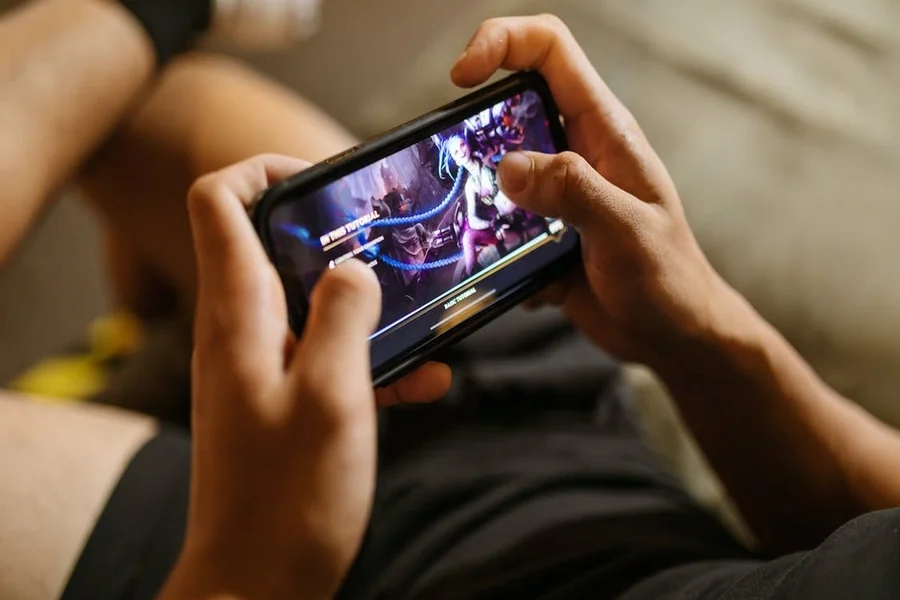
Today’s cell video games are far from Mario and Tetris. There’s a lot of entertainment to download, and it’s so easy to get at it these days that an enormous library of entertainment is within our pockets and so much of it will be incredibly cheap, or maybe free. A game can go round the train or a queue or a dentist appointment and then stop when attention must be drawn elsewhere and then start up again in a flash minutes, hours or days later.
That flexibility has broadened the audience and made mobile play a familiar part of digital culture. According to Ofcom’s 2026 research, 65% of UK adults game at home or elsewhere. Gaming is no longer the odd one out when it comes tom mainstream entertainment. It’s the belle of the ball and it’s accessible to us all 24/7.
The Evolution of Mobile Gaming Technology
So much so, the experience has been transformed, mainly due to the hardware. Today’s smartphones boast high performance hardware, high-resolution screens, touch-sensitive controls and advanced sound technologies in an object that they already have in their hands, every day. With the new platform, developers are now able to build massive layouts, smooth animation and the most competitive multiplayer games that used to require the console of a small fridge.
Faster Wi-Fi and mobile networks have also allowed for smoother downloads, live updates and online competitive play. Cloud saving lets users continue gaming across compatible devices too, while updates introduce new levels so the game can update indefinitely. There is a reason why nobody will ever complete Candy Crush Saga.
Why Convenience Drives Mobile Gaming Growth
Convenience remains mobile gaming’s defining advantage. Many titles save progress automatically. Players can choose an experience that suits the time available, from a brief word puzzle to a longer story or multiplayer match.
Clear tutorials lower the barrier to entry for new players, while optional notifications and account controls help users decide when and how they engage with the game. Players control the format, duration and setting and that flexibility really makes a difference.
How App Stores Expanded Access to Games
App stores created a direct route between developers and global audiences. Users can search by category, compare descriptions, review age ratings and install titles within minutes. The same marketplace also distributes updates after launch.
Digital distribution offers visibility, without merchandise manufacturing and retail. Featured collections and search recommendations may present the viewer with unexpected ideas that they wouldn’t be able to come across in other parts of the site. This regular renewing of new games has contributed to the diversity and accessibility of mobile gaming.
The Rise of Diverse Gaming Experiences
Today’s titles stretch from puzzles, simulations and narrative adventures to sports, strategy and competitive combat. Different control options, adjustable settings and short-form designs can also make games approachable across age groups and levels of experience.
Of course, mobile gaming also includes regulated gambling products. Anyone exploring online slot games created for mobile play should be 18 or over, set firm time and spending limits, and use available account controls.
Final Thoughts
As devices and distribution platforms continue to develop, mobile gaming will keep changing. Its lasting appeal, however, comes from something straightforward: it offers many kinds of interactive entertainment through one familiar, portable screen that travels wherever users go.
