
 James
James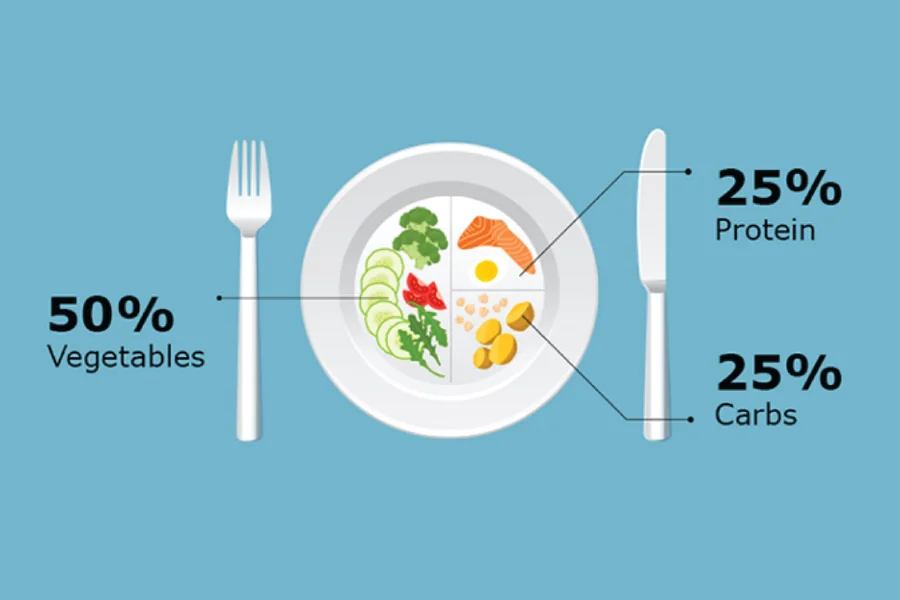
Living with type 1 diabetes can feel like walking a tightrope, but the right food choices can keep you balanced. Managing type 1 diabetes goes beyond insulin—it also requires lifestyle and dietary adjustments. It’s also about making smart decisions at mealtimes. The right type 1 diabetes diet plan can help stabilize your blood sugar, reduce your risk of complications, and keep you feeling energized.
Whether you’re newly diagnosed or looking to improve your current routine, this guide covers what you need to know, what to eat, what to limit, and how to build a weekly plan that works for you.
If you or someone you know is suffering from type 1 diabetes, consider enrolling in clinical trials being conducted.
- What is Type 1 Diabetes?
- Why is Diet Important for Type 1 Diabetes?
- Here’s why diet matters:
- Best choices include:
- Which Foods Should You Avoid?
- Limit or avoid:
- How to Build a Balanced Type 1 Diabetes Diet Plan
- What Does a 7-Day Diet Plan for Diabetics Look Like?
- Day 1:
- Day 2:
- Day 3:
- Day 4–7:
- Tips for Eating Out and Social Events
- Final Thoughts
What is Type 1 Diabetes?
Type 1 diabetes is a chronic autoimmune disease. It occurs when the body’s immune system mistakenly attacks and destroys insulin-producing cells in the pancreas. Without insulin, sugar remains in the bloodstream instead of entering cells to provide energy. This causes high blood glucose levels.
Individuals with type 1 diabetes need daily insulin to keep their blood glucose levels under control. But insulin alone isn’t enough. You also need to follow a balanced diet. That’s why following a structured type 1 diabetes diet plan becomes so important.
Why is Diet Important for Type 1 Diabetes?
Careful meal planning is a daily necessity for those living with type 1 diabetes. Carbohydrates affect blood sugar the most, so tracking your intake is essential. However, you also need the right balance of protein, fiber, and healthy fats.
Here’s why diet matters:
- It helps keep blood glucose levels steady.
- It reduces the risk of diabetes complications.
- It improves overall energy and mood.
In short, a smart type 1 diabetes diet plan supports both short-term control and long-term health.
Also Read: Understanding Diabetes Complications and Prevention Strategies
What Should Be on Your Type 1 Diabetes Food List?
Choosing the right foods helps regulate blood glucose levels and prevent spikes. Here’s a helpful type 1 diabetes food list you can rely on:
Best choices include:
- Whole grains: oats, brown rice, quinoa
- Fresh fruits: berries, apples, oranges (in moderation)
- Non-starchy vegetables: spinach, broccoli, carrots
- Lean proteins: chicken, fish, eggs, tofu
- Healthy fats: avocado, olive oil, nuts
These foods provide fiber, slow down glucose absorption, and help keep blood sugar stable.
Which Foods Should You Avoid?
Now let’s talk about what not to eat. The type 1 diabetes food to avoid list includes items that can cause sudden sugar spikes.
Limit or avoid:
- Sugary drinks like soda or juice
- Candy and baked goods made with white flour
- Processed snacks high in refined carbs
- Fried foods and fast food
- Alcohol (or consume only in moderation)
Even though you don’t have to cut out treats forever, moderation is key. It’s all about making informed choices that support your health.
How to Build a Balanced Type 1 Diabetes Diet Plan
Designing a daily meal plan takes the guesswork out of eating. Here’s what a balanced type 1 diabetes diet plan should include:
- Count Carbs Smartly: Use carb-counting apps or a food diary to keep track.
- Time Your Meals: Stick to consistent mealtimes each day to align better with your insulin routine.
- Include Fiber-Rich Foods: Fiber helps slow glucose absorption. Think beans, oats, and veggies.
- Don’t Skip Meals: Skipping meals can cause low blood glucose, especially if you’re on insulin.
- Stay Hydrated: Water is the best option. It helps flush excess glucose through urine.
These basics can help you manage blood sugar and feel your best.
What Does a 7-Day Diet Plan for Diabetics Look Like?
Let’s make this even easier. Below is a sample 7-day diet plan for diabetic patients. It includes balanced meals for each day:
Day 1:
- Breakfast: Oatmeal with sliced almonds and blueberries
- Lunch: A fresh salad topped with grilled chicken and a drizzle of olive oil
- Dinner: Baked salmon with quinoa and steamed broccoli
Day 2:
- Breakfast: Scrambled eggs with whole-grain toast
- Lunch: Turkey wrap with spinach and hummus
- Dinner: Sautéed tofu served with brown rice and assorted vegetables.
Day 3:
- Breakfast: Greek yogurt with flaxseed and strawberries
- Lunch: Quinoa bowl with chickpeas and avocado
- Dinner: Roasted carrots and sweet potato served alongside grilled chicken
Day 4–7:
Repeat or mix and match the above meals with portion control. Include snacks like nuts, boiled eggs, or a small apple.
**Remember, this type 1 diabetes diet plan is just a guide. Always adjust according to your insulin dosage, blood sugar trends, and doctor’s advice.
Tips for Eating Out and Social Events
Eating out with type 1 diabetes is possible; you just need a plan.
Here are some helpful strategies:
- Look at the menu online before you go.
- Avoid fried foods and creamy sauces.
- Ask for dressings or sauces on the side.
- Choose grilled, steamed, or baked options.
- Monitor your blood sugar more frequently when trying new meals.
With these tips, you can enjoy eating out without compromising your type 1 diabetes diet plan.
Also Read: Healthy Diet – Snacks For Diabetics
Final Thoughts
Effective management of type 1 diabetes begins with understanding the condition and having a solid strategy in place. Making smart food choices can significantly impact overall health and blood sugar stability. By following a smart type 1 diabetes diet plan, referring to a trusted type 1 diabetes food list, consulting a dietitian, avoiding high-sugar items, and sticking to a flexible 7-day diet plan for diabetic patients, you’re setting yourself up for success.
