
 James
James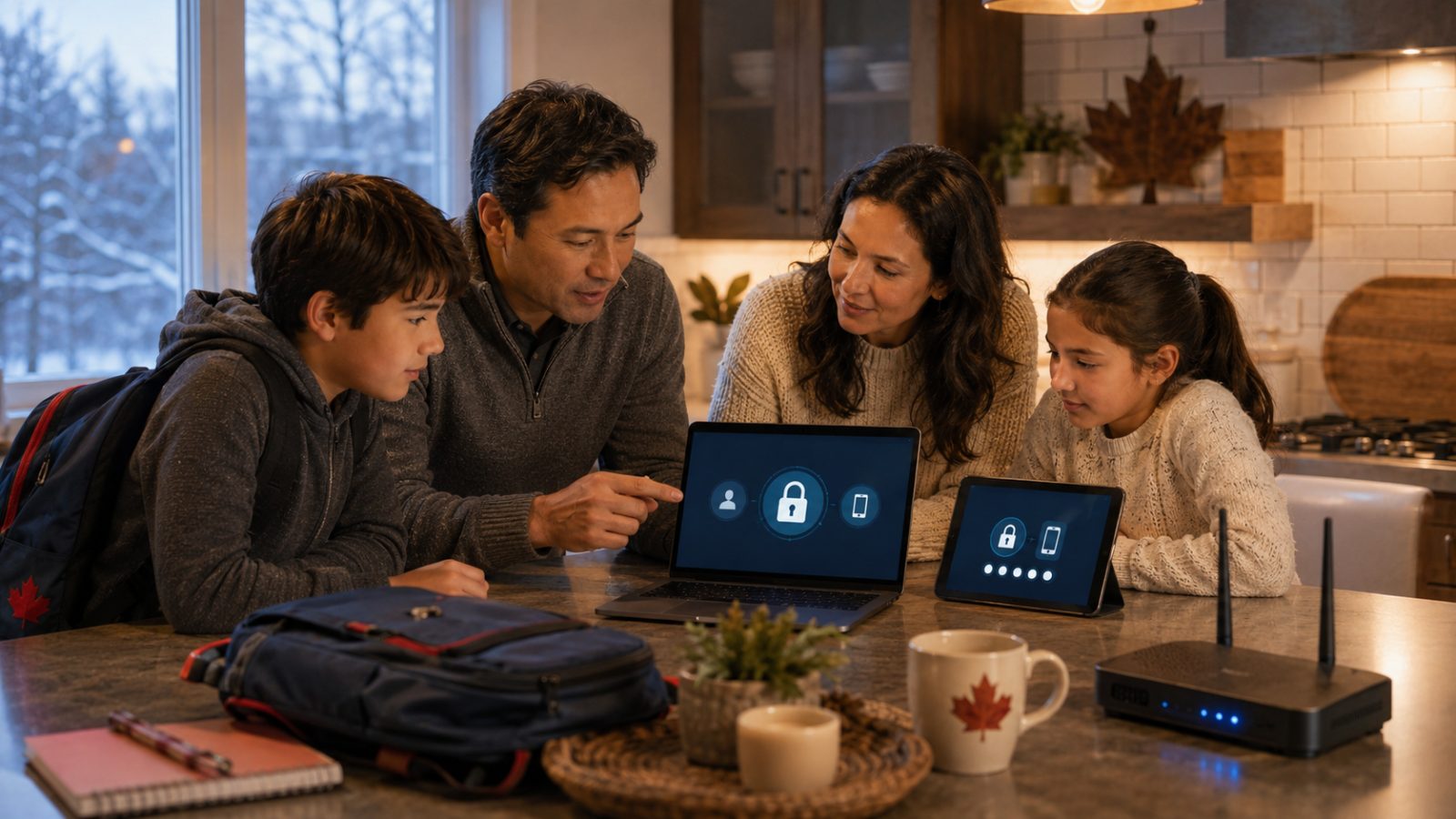
A Canadian home can run on one router, four phones, two laptops, and one shared tablet. That setup feels normal during school terms, hockey nights, and winter breaks. Yet every device may hold saved logins, card details, school files, and private messages.
The real problem is not one bad click. It is the chain reaction after that click. One weak password can open email, streaming, school portals, and shopping accounts in minutes.
Back-to-school months make this harder for parents. Children receive new classroom tools, parents reuse old passwords, and tablets move between homework and leisure. A simple weekly routine can reduce the mess before it becomes urgent.
- Why Digital Safety Has Become A Family Chore In Canada
- What Casino Account Rules Teach About Safer Logins
- Build A Family Login Map Before School Returns
- Set A Passphrase Rule Everyone Can Follow
- Control Shared Devices During Winter Break
- Stop Saved Cards From Becoming Family Shortcuts
- App Permissions Need A Monthly Household Review
- A Seven-Day Digital Safety Reset For Canadian Homes
- Keep The Routine Small Enough To Last
Why Digital Safety Has Become A Family Chore In Canada
Digital safety used to mean antivirus software on one home computer. Now it means account control across the whole household. A Grade 7 student may use a school laptop, a library app, video calls, and a gaming account in one week.
Parents often carry more sensitive access on the same home Wi-Fi. Banking, work email, grocery orders, and family streaming accounts may all sit on one phone. If that phone shares passwords with older accounts, the whole setup becomes fragile.
Start with the router, since every device depends on it. Change the default Wi-Fi password, then check who still has access. A guest password also helps when relatives visit during winter break.
What Casino Account Rules Teach About Safer Logins
Online casinos offer a useful comparison because their accounts rely on strict controls. They use age checks, passwords, bonus terms, payment settings, and withdrawal rules. Families can borrow the same habit of reading account conditions before anyone starts clicking.
Casino bonuses show why details matter before an account becomes active. A bonus may depend on deposit size, expiry time, eligible games, and wagering conditions. Adults can use Raging Bull Casino bonus codes through CasinosAnalyzer as a practical example of rule checking.
The same thinking applies to family apps. Before a child uses a new tool, review age limits, payment access, chat settings, and recovery options. If an account holds money or personal data, it needs a unique password and 2FA.
Build A Family Login Map Before School Returns
A login map is a short record of important accounts, not a plain password sheet. It should answer three questions. Who uses the account, which device opens it, and how recovery works.
This matters most in August and September, when school portals, class apps, and team chats return at once. Parents can list email, banking, school, streaming, game, and work accounts in one private note. The note should also mark which accounts need 2FA and which ones use a recovery phone.
For Canadian households, the Government of Canada password guidance gives practical advice on passphrases, passwords, and PINs. That source fits well for parents who want simple rules. It also supports better habits across school, work, and home accounts.
Set A Passphrase Rule Everyone Can Follow
A passphrase should be long enough to resist guessing. It also needs to be memorable for the right person. A good family rule is four random words plus one number, with no birthdays or pet names.
Parents should keep banking, work, and main email access in a password manager. Teens can use unique passphrases for school, email, and personal accounts. Younger children should not know recovery email passwords.
It also helps to set one clear reset rule. If an account is used on a school laptop, the recovery email should belong to a parent. That prevents a lost password from turning into a full evening problem.
Control Shared Devices During Winter Break
Winter break changes device behaviour in many Canadian homes. A tablet may move from cartoons to recipes, then to shopping, then to schoolwork. That movement creates account bleed when one person stays signed in for the next person.
Before a school holiday starts, review the shared devices with this short check:
- Remove saved cards from shared browsers.
- Turn on 2FA for email and banking.
- Sign out of school portals after homework.
- Lock app installs behind a parent account.
- Review camera, microphone, and location access.
This check usually takes less than 30 minutes on two or three devices. It also gives parents a reason to explain each setting. Children follow rules better when the reason feels practical, not random.
Stop Saved Cards From Becoming Family Shortcuts
Saved cards can create accidental spending on shared devices. The risk rises when children use one tablet for games, schoolwork, and video apps. A password prompt before payment gives the household one extra pause.
Remove card details from browsers first, then check app stores and streaming accounts. After that, review food delivery apps, game accounts, and adult-only accounts. Online casino accounts should stay separate from shared family devices.
App Permissions Need A Monthly Household Review
Most families approve app permissions too quickly. Camera, contacts, location, Bluetooth, and microphone access can stay open for months. A monthly check is enough for most homes if the routine stays consistent.
Pick the first Sunday of each month and review the same settings. Start with apps used by children, because school tools may not need location access all week. Then check leisure apps, account limits, chat controls, and payment prompts.
Adults should also review online casinos if they use them. Check login settings, account limits, casino bonuses, and payment controls before any spending. The point is simple: adult accounts should not leak into family devices.
A Seven-Day Digital Safety Reset For Canadian Homes
The best routine is small enough to survive a normal week. Big security projects often fail because every task gets piled into one evening. A seven-day reset spreads the work across short, manageable checks:
- Change the home Wi-Fi password on Monday.
- Turn on 2FA for main email accounts on Tuesday.
- Remove saved cards from shared browsers on Wednesday.
- Check school laptop logins on Thursday.
- Review app permissions on Friday.
- Update devices and the router on Saturday.
- Talk through family account rules on Sunday.
Each task should take about 10 to 20 minutes. That matters in homes with work shifts, homework, hockey practice, and weekend plans. A routine that fits real life is more likely to last.
Keep The Routine Small Enough To Last
A digital safety routine should not feel like a technical project. It should feel like locking the door before bed. The family repeats small checks, then fixes weak spots before they spread.
Start with the accounts that can cause the most trouble. Email comes first because it resets other accounts. Banking, payment apps, school portals, streaming accounts, and adult-only accounts come next.
The goal is not fear or strict control. It is a calmer home setup with fewer surprises. For Canadian families, that can make school months and winter breaks much easier to manage.
