
 James
James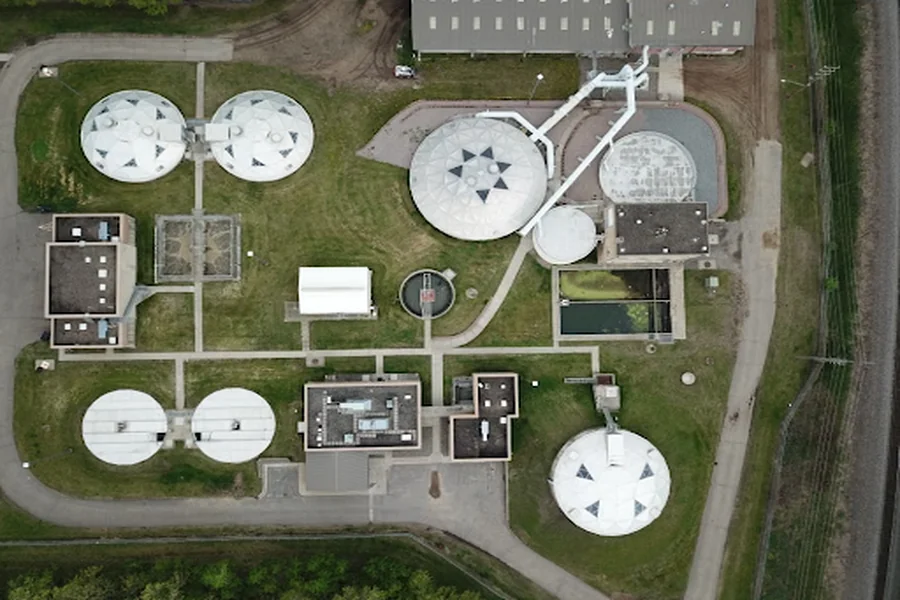
A town can be underwater in April and short on water by July. It sounds contradictory, but many local systems now have to deal with both sides of the problem in the same season. A storm drops too much rain too fast, streets flood, treatment plants take a hit, and then the water is gone before it can do much good.
That is the hard part about weather whiplash. It is not just “wet” or “dry.” It is the swing between the two. For utilities and public works teams, municipal water tanks give the system more room to work: holding treated supply, keeping reserves available, and helping communities get through periods when rainfall no longer follows the old pattern.
Heavy Rain Can Break the System Quickly
Averages can hide the real problem. A city may receive a normal amount of rain over the year, but if too much falls in one afternoon, pipes, drains, lift stations, and treatment plants may not be able to keep up.
The first problems are easy to see. Roads close. Basements flood. Culverts clog. Standing water collects around homes, schools, and industrial sites. The next problems are messier. Combined sewers can overflow. Runoff can carry fuel, sediment, fertilizer, bacteria, and trash into creeks or low-lying land. A treatment plant may receive more flow than it can process cleanly at the moment.
Planners cannot rely only on old rainfall averages. They need to look at what happens during the worst few hours of a storm:
- where drains fill first
- which pump stations lose capacity
- how often sewers overflow
- which roads block repair crews
- where contaminated runoff collects
The question is not only how to move water away. Some of it may need to be held, treated, or reused later instead of being pushed through an overloaded system all at once.
Wastewater Storage Gives Operators Time
During a major storm, time is often what operators do not have. Water keeps entering the system, even when pipes, tanks, and treatment units are already strained. If there is no place to hold excess flow, the system has fewer choices.
That is where wastewater tanks can help. They can temporarily hold peak flows, reduce pressure on treatment plants, and give operators more control over when water moves through the process. In some cases, stored water can later be treated for industrial, irrigation, or other non-potable uses.
This does not make storage a cure for bad drainage. It still has to work with pumps, controls, treatment capacity, and stormwater planning. But a holding point can keep a difficult event from becoming an immediate overflow problem. For older combined systems or fast-growing suburbs with more pavement every year, that buffer can matter.
The Dry Weeks Come With Different Pressure
The drought side of the same story arrives more quietly. After a flood, people may assume the water problem is over. But heavy rain can run off too quickly, miss the right reservoirs, or arrive when the system has no good way to capture it.
Then the weather turns dry. Outdoor demand rises, wells drop, reservoirs tighten, and utilities have less flexibility. A community may have seen plenty of rain recently and still not have enough usable water where it is needed.
Stored water can support fire reserves, public facilities, emergency supplies, irrigation, and some industrial needs. Reuse can take pressure off potable systems when the water quality and regulations fit the use. Rainwater capture can help, too, but only if the community has enough storage and a practical plan for where that water will go.
Drought planning is less about one backup tank and more about choices. Which uses truly need drinking-quality water? Which could use treated or captured water? Can water be moved across the system during high-demand periods? These are not dramatic questions, but they decide how well a community gets through a dry stretch.
Flood and Drought Planning Should Not Be Separate
Many communities still divide the work into separate boxes. Stormwater goes one way. Drinking water goes another way. Wastewater sits in its own budget. Reuse may be discussed later, if there is money left.
Weather whiplash makes that separation harder to defend. The same storm that overwhelms drains may also represent water that could have supported non-potable demand later. The same storage strategy that helps during drought may also give operators room during peak flows.
A more useful plan connects the pieces:
- Capture: identify where stormwater, rainwater, or excess flow can be collected.
- Hold: size storage for peak events and dry-period reserves, not just average days.
- Treat: match treatment levels to the final use.
- Reuse: keep non-potable water in circulation where rules allow.
- Distribute: make sure pumps and piping can move stored water where it is needed.
No two towns need the same layout. A coastal city, an inland farm community, and a fast-growing suburb have different weak spots. A combined sewer district has different risks than a newer area with separate stormwater systems. The plan has to fit the local water cycle.
Building for the Swing
Weather whiplash changes what “enough capacity” means. Storage may be needed for ordinary supply, fire protection, storm response, reuse, drought backup, or repair periods. It is no longer just a side detail added after the main design is done.
The practical path is to design water infrastructure as a connected system. Capture water when there is too much. Treat it to the level the use requires. Store enough to protect essential services when the dry weeks come.
Communities cannot control when the next flood or drought arrives. They can decide whether their infrastructure is built for the old average or for the sharper swings already showing up.

1 thought on “Flood One Month, Drought the Next: Building for Weather Whiplash”
Comments are closed.