
 James
James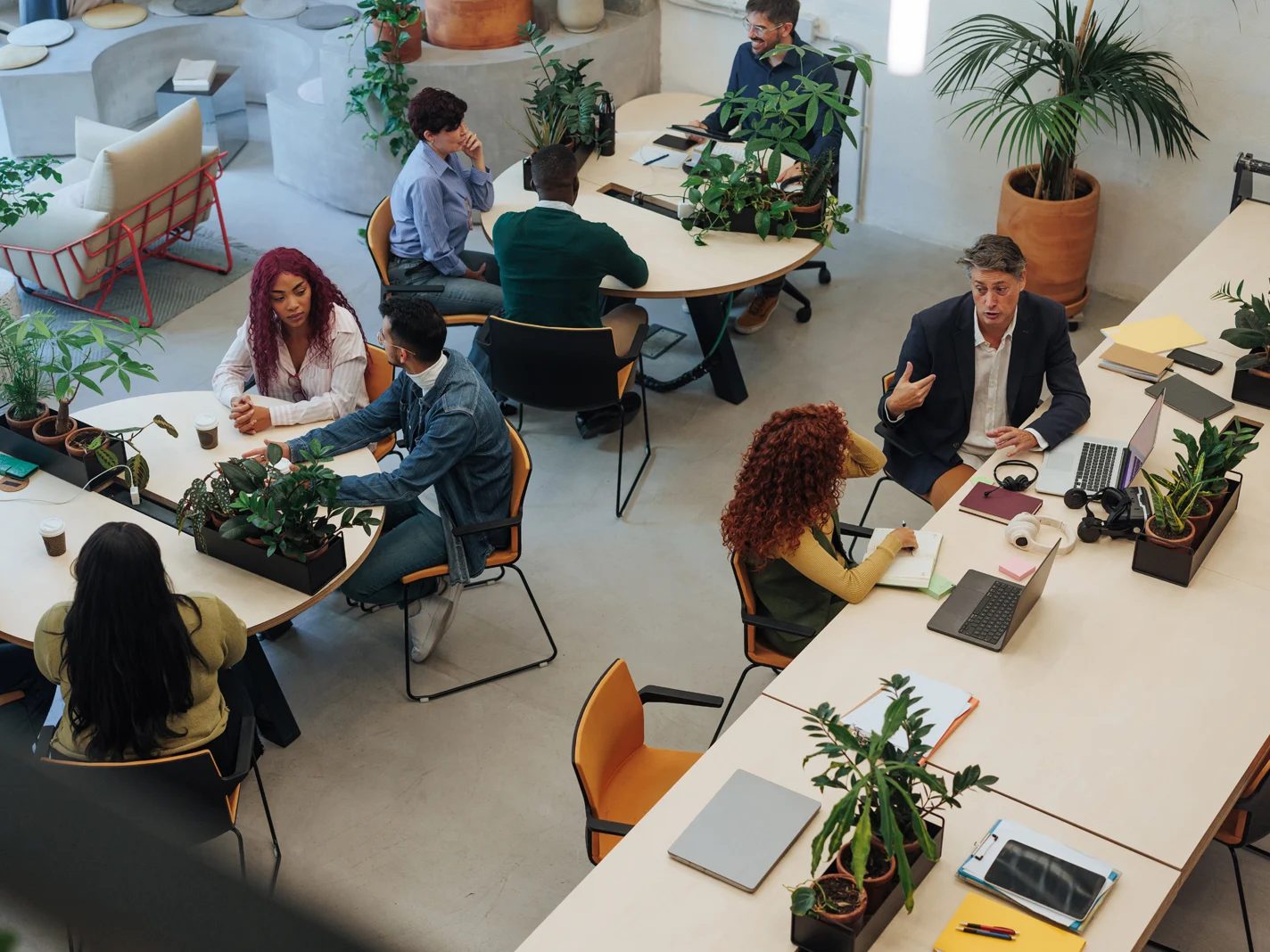
Not many companies remain unchanged forever. A ten-person team can grow to a twenty-person team, departments can expand to other areas, and working schedules can be modified to suit changing employee needs. If your office design doesn’t evolve as quickly, it can begin to become a problem instead of a solution. A well planned office will provide you with sufficient space to make adjustments without having to completely overhaul the work environment every couple of years. Careful planning during design will help you build an environment that will enable your businesses to grow, meet new working methods and effectively tackle future demands.
Design Flexible Spaces from the Start
Fixed spaces are not ideal for businesses because they are unlikely to adjust to the evolving needs of a team, such as a surge in requirements or a shift in focus. A more flexible approach will enable you to adapt the workplace to the changing needs of your organisation. For instance, if a large meeting room is not frequently used, it might not be as valuable as a room that can be used for a variety of other activities. When space needs to be divided up into smaller meeting areas, movable partitions can be used to create many smaller rooms; when it is time to train or hold a company meeting, the movable partitions can be opened up to enlarge the space. This can be accomplished with modular furniture as well. Desks and seating can be reconfigured, allowing your sales team to expand or for a new department to enter the office, with minimal disruption.
Support DWoW!Give support to DWoW!
Modern teams do not necessarily do the same type of work all day. It is possible to work on a project together in the morning, have focused individual tasks during the afternoon and be able to attend virtual meetings throughout the day. An office with several work modes enables workers to stay productive according to the changing demands of business. Create open spaces for discussion and idea sharing, and quiet spaces for employees to focus when they need it. For example, a project manager creating an in-depth report might prefer to have a private workspace, while a design team might work out of a more collaborative environment when they are reviewing concepts. Having different environments will enable the staff to select the environment that is most conducive to the work they have to undertake.
Support Different Ways of Working
Select Materials and Layouts that will be easier to change in the future.
Your choice of materials and construction techniques to use now will help determine the ease with which you can adapt the office later. Certain options can make renovations easier and more cost-effective as your company expands. It is important to have a design that will enable a simple reconfiguration if additional workstations need to be added or new rooms constructed, to minimize disruption. Materials also can be significant. For instance, a project manager preparing a detailed report may benefit from a private workspace, while a design team reviewing concepts often performs better in a more collaborative setting. Providing a variety of environments allows employees to choose the setting that best supports the work they need to complete.
Support Different Ways of Working
The materials and construction methods you select today can influence how easily you adapt the office in the future. Some choices make renovations simpler and more affordable when your business grows. A layout that allows for straightforward reconfiguration can reduce disruption when you add workstations or create new rooms. Materials also play an important role. For example, systems that use drywall boards often allow contractors to adjust interior walls more efficiently than alternative methods. Raised flooring systems can simplify changes to cabling and power distribution, which becomes particularly useful when teams relocate within the office. Durable finishes can also help maintain a professional appearance despite years of adjustment and reconfiguration.
Creating an office that can grow with your business involves more than accommodating extra desks. When you build flexibility into the layout, support different working styles and choose adaptable materials, you create a workspace that can respond to change while continuing to support employees effectively. That approach can save time, reduce future renovation costs and help your office remain an asset as your organization evolves.
