
 James
James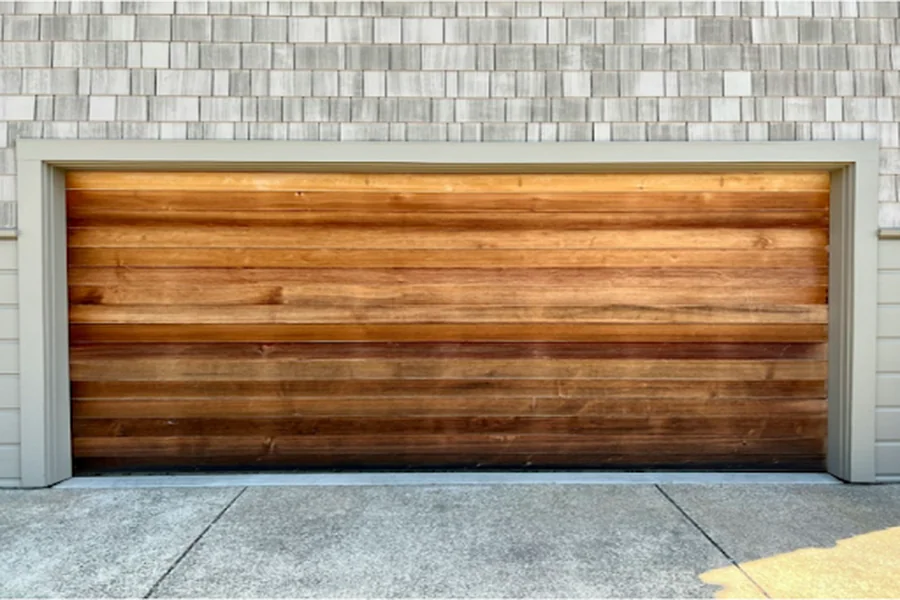
- Upgrading Perimeter Security and Aesthetics with Fencing
- Fence Material Considerations and Property Boundaries
- Integrating Gates and Barrier-Free Entryways
- Modern Garage Door Solutions for Seamless Home Access
- Garage Door Safety, Insulation, and Smart Technology
- Connecting Driveways, Stoops, and Garage Thresholds
- Comprehensive Residential Exterior and Access Upgrades for Modern Homes
- Here’s a comparison of common exterior access solutions:
- Planning Residential Exterior and Access Upgrades for Maximum ROI
- Budgeting and Permitting for Residential Exterior and Access Upgrades
- Frequently Asked Questions about Exterior Home Renovations
- What are the main benefits of aluminum modular access systems compared to wood?
- Do garage door and exterior accessibility upgrades require local building permits?
- How do perimeter fencing and modern garage doors boost home resale value?
- Conclusion
Upgrading Perimeter Security and Aesthetics with Fencing
Defining your property’s boundary is about more than just aesthetics; it’s a critical aspect of security, privacy, and curb appeal. As of September 2026, homeowners are increasingly recognizing the value of robust and attractive fencing as a significant residential exterior upgrade. A well-chosen fence provides a clear demarcation of your space, enhancing privacy from neighbors and passersby, and acting as a primary deterrent against unauthorized access.
The right fencing material also contributes significantly to your home’s overall curb appeal, complementing its architectural style and landscaping. Beyond the visual benefits, the material’s durability is paramount, especially in varying climates. Furthermore, navigating Homeowners Association (HOA) regulations is often a key consideration when planning any exterior modification, ensuring your chosen fence meets community standards for height, material, and design. For comprehensive solutions that cover both residential and commercial fences, exploring options from experienced providers can offer valuable insights into material selection and installation best practices.
Fence Material Considerations and Property Boundaries
When considering a new fence, the array of materials available offers diverse benefits and aesthetic profiles. Vinyl fencing has surged in popularity due to its low maintenance requirements, resistance to rot, pests, and weathering, and its clean, modern appearance. It’s an excellent choice for privacy and comes in various styles and colors.
Wood panels, on the other hand, offer a classic, natural look that can be stained or painted to match your home. While wood requires more maintenance (sealing, painting) to prevent rot and warping, its timeless charm and versatility remain appealing. Aluminum barriers provide a sleek, elegant solution, often favored for their durability, rust resistance, and minimal visual obstruction, making them ideal for showcasing landscaping or providing a secure perimeter without feeling enclosed.
Regardless of the material, understanding your property lines and local zoning ordinances is crucial. Before any installation begins, we recommend consulting your property survey and local planning department to avoid disputes with neighbors or potential code violations. These regulations often dictate fence height, setback from property lines, and approved materials, ensuring a smooth and compliant upgrade process.
Integrating Gates and Barrier-Free Entryways
A fence is only as effective as its access points. Thoughtful integration of gates is essential for both functionality and accessibility. Pedestrian gates should be strategically placed for convenient foot traffic, while driveway gates offer secure vehicle access. Modern options include swing gates, slide gates, and even telescopic gates, each suited for different driveway configurations and space constraints.
The choice of latch hardware is important for security and ease of use. Self-latching gates are excellent for pool safety, while key-locked or coded latches provide enhanced security for your property. For those prioritizing seamless access, particularly for individuals with mobility challenges, automated access systems are a game-changer. These can include remote-controlled driveway gates, keypads, or even smart home integrated systems that allow entry with a smartphone. Crucially, ensuring wide clearance for all gates, especially pedestrian and driveway entries, is vital for accommodating wheelchairs, strollers, and larger vehicles, contributing to a truly barrier-free environment.
Modern Garage Door Solutions for Seamless Home Access
Beyond fencing, the garage door plays a pivotal role in your home’s exterior functionality, security, and aesthetic appeal. Modern garage door solutions offer more than just a way to enter; they provide smooth transitions, enhanced security, and improved energy efficiency. With advancements in technology, today’s overhead openers are quieter, more reliable, and integrate seamlessly with smart home systems, offering convenience and peace of mind.
Proper insulation and weatherproofing are also key features, protecting your garage’s interior from extreme temperatures and moisture, which can be particularly beneficial if your garage doubles as a workspace or storage area. When considering upgrades or repairs, consulting with professionals who offer expert garage door repair can ensure your system is installed correctly and functions optimally for years to come.
Garage Door Safety, Insulation, and Smart Technology
Modern garage doors are engineered with safety at their forefront. Features like motion sensors and auto-reverse mechanisms prevent accidents by stopping and reversing the door’s movement if an obstruction is detected. These are critical for homes with children, pets, or individuals with mobility impairments.
Beyond safety, energy efficiency is a significant benefit. An insulated garage door can dramatically impact your home’s overall energy consumption, especially if your garage is attached to your living space. The R-value indicates a door’s thermal resistance; a higher R-value means better insulation, leading to reduced heating and cooling costs.
The integration of smart openers has revolutionized garage access. These systems allow you to control and monitor your garage door remotely via a smartphone app. You can open or close the door from anywhere, receive notifications when it’s opened or left ajar, and even grant temporary access to delivery personnel or visitors, adding an unparalleled layer of convenience and security to your home.
Connecting Driveways, Stoops, and Garage Thresholds
The approach to your garage is just as important as the door itself. Creating zero-threshold entries from the driveway into the garage eliminates steps or uneven surfaces, making it easier for wheelchairs, strollers, and anyone carrying heavy items to enter. This type of design is a fundamental aspect of aging-in-place modifications, promoting independence and reducing fall risks.
Driveway regrading can dramatically improve accessibility and safety by creating gentler slopes and smoother surfaces. A properly graded driveway ensures safe, transitional access, especially for those using mobility aids. As of September 2026, the average cost for residential driveway regrading typically ranges from $1,500 to $4,000, depending on the scope and materials. This investment not only enhances safety but also improves drainage, preventing water from pooling near your home or garage. Implementing effective drainage channels is crucial to divert rainwater away, protecting your foundation and preventing slippery conditions. Finally, selecting slip-resistant materials for your driveway and stoop surfaces, such as textured concrete or permeable pavers, further enhances safety in all weather conditions.
Comprehensive Residential Exterior and Access Upgrades for Modern Homes
Achieving a truly modern and accessible home exterior involves a holistic approach, ensuring seamless circulation from the street to every entry point. This is particularly vital for multi-generational living arrangements, where diverse mobility needs must be accommodated. Beyond functionality, these upgrades significantly boost curb appeal, contributing to a welcoming and well-maintained appearance.
Consider the interplay between different access solutions. A thoughtfully designed exterior might combine a gently sloped driveway, a modular aluminum ramp leading to the front door, and a zero-threshold entry into the garage. This integrated approach ensures that every member of the household, regardless of age or mobility, can navigate the home’s exterior with ease and dignity.
Here’s a comparison of common exterior access solutions:
Feature Modular Aluminum Ramps Regraded Walkways & Driveways Custom Stairs Material High-strength aluminum Concrete, pavers, asphalt Wood, concrete, stone Durability Excellent (rust/rot-proof, weather-resistant) Good (depends on material & installation) Moderate (wood needs maintenance, concrete can crack) Maintenance Very low (virtually maintenance-free) Moderate (cleaning, crack repair) High (wood: sealing, painting; concrete: cleaning) Accessibility Excellent (ADA-compliant slopes, handrails) Good (gentle slopes, slip-resistant surfaces) Limited (steps are barriers) Installation Fast (minutes to hours), minimal tools, no footings Moderate to long (days to weeks), requires excavation Moderate (days), requires skilled labor Reconfigurability High (can be moved, reconfigured, resold) Low (permanent alteration) Low (permanent alteration) Permits Typically not required (non-structural) Often required (structural, alters grade) Often required (structural) Cost Moderate to high (initial kit cost) Moderate to high (depending on size & material) Moderate to high (depending on material & complexity) Aesthetics Modern, utilitarian (can be integrated with landscaping) Natural, integrated with landscape Traditional, can be highly decorative
Planning Residential Exterior and Access Upgrades for Maximum ROI
Strategic planning is key to maximizing the return on investment (ROI) for residential exterior and access upgrades. When it comes to accessibility, modular aluminum ramps stand out as a highly versatile and beneficial option. Unlike custom-built wooden ramps that can rot, splinter, or require extensive maintenance, modular aluminum systems offer superior corrosion resistance and are virtually maintenance-free.
The PATHWAY 3G Modular Access System, for instance, boasts an impressive weight capacity of 1,000 lbs, ensuring robust support for wheelchairs, scooters, and multiple users. Its high-strength aluminum construction guarantees durability in various weather conditions, from scorching summers to icy winters, without rusting or rotting. These systems are designed for quick assembly; a 24-foot PATHWAY 3G system, for example, can be assembled with minimal tools in less than 30 minutes, significantly reducing installation time and labor costs compared to traditional construction.
Customization is another major advantage. Ramp configurations can be tailored to almost any home layout, with options for straight, L-shaped, U-shaped, or even 45-degree angle turns. Handrails come in various styles, including vertical pickets, horizontal pickets, or two-line rails, allowing for both safety and aesthetic preference. For surface types, homeowners can choose between solid and expanded metal. Solid surfaces offer a smooth, continuous path with raised ribs for slip resistance, while expanded metal allows snow, rain, and debris to pass through, reducing buildup and maintenance, especially in harsh climates. The ramp system’s modularity also means it can be reconfigured or relocated if accessibility needs change, making it a sustainable and adaptable long-term solution. It even comes with a lifetime limited warranty, offering peace of mind.
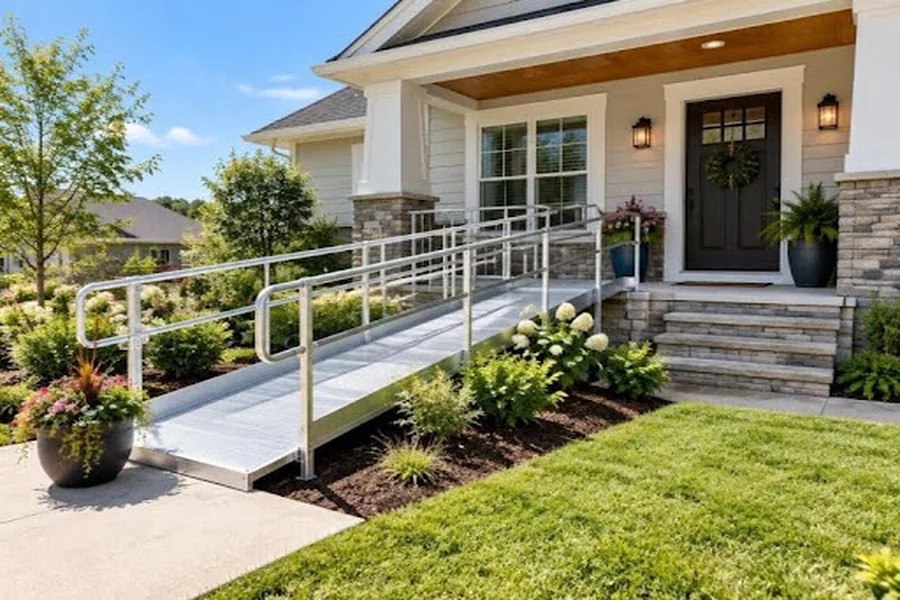
Furthermore, these systems often comply with ADA guidelines for slope requirements (typically a maximum 1:12 slope for public use, though residential applications may vary slightly) and are available in standard widths of 36″ and 48″. Optional accessories like landing pads, gates, and stair systems can further enhance functionality, providing comprehensive access solutions.
Budgeting and Permitting for Residential Exterior and Access Upgrades
Effective budgeting and understanding permitting requirements are crucial for any exterior home renovation. For modular ramp systems like the PATHWAY 3G, a significant advantage is that they typically do not require poured footers or concrete pads, and often no permits are required for installation because they do not alter the home’s permanent structure. This can lead to substantial savings in both time and money. However, we always advise checking with your local municipality and HOA, as regulations can vary.
When comparing costs, a pre-configured DIY ramp kit can be a more budget-friendly option than a custom-quoted system with professional installation. For instance, an 18-foot ramp kit might range from $2,858 to $3,448 as of September 2026, offering a significant saving if you’re comfortable with self-assembly. While professional installation adds to the cost, it ensures expert setup and peace of mind.
For maintenance, aluminum ramps are virtually maintenance-free. For ice and snow removal, using a magnesium chloride salt substitute is recommended to protect the ramp’s surface and ensure continued slip resistance, as regular rock salt can be corrosive.
Regarding slope guidelines, the Americans with Disabilities Act (ADA) recommends a maximum slope of 1:12 (meaning for every 1 inch of rise, you need 12 inches of ramp length) for public ramps. While residential guidelines can be more flexible, adhering to this standard ensures the safest and most accessible experience.
The impact of a modular ramp system on a home’s property value is generally positive. While it may not directly increase the appraised value in the same way a kitchen remodel might, it significantly enhances marketability for buyers seeking accessible homes or those planning for aging-in-place. The ability to easily reconfigure or remove the ramp also means it doesn’t negatively impact future resale if a buyer doesn’t require it.
Frequently Asked Questions about Exterior Home Renovations
What are the main benefits of aluminum modular access systems compared to wood?
Aluminum modular access systems offer several distinct advantages over traditional custom-built wooden ramps. Primarily, their corrosion resistance means they will not rust, rot, or splinter, making them virtually maintenance-free and ensuring longevity even in harsh weather conditions. This contrasts sharply with wood, which requires regular sealing, painting, or staining to prevent decay and insect damage. The quick assembly of modular systems is another key benefit; a 24-foot PATHWAY 3G system, for example, can be put together in under 30 minutes with minimal tools, whereas a custom wooden ramp can take days or weeks to build. Furthermore, aluminum systems are highly adaptable and can be reconfigured or relocated as needs change, offering flexibility that wooden ramps cannot. They also typically do not require poured footers, reducing installation impact and often negating the need for permits.
Do garage door and exterior accessibility upgrades require local building permits?
Whether building permits are required for garage door and exterior accessibility upgrades depends heavily on the nature of the modification and your local zoning rules and building codes. For modular aluminum ramp systems that are considered temporary or non-structural, such as those that do not require poured footers or permanent alteration to the home’s structure, no permits are typically required. However, any project involving structural modifications to your home, such as altering load-bearing walls, expanding an entryway, or making significant changes to an existing deck or porch, will almost certainly require a permit. Similarly, installing a new garage door or replacing an existing one might require a permit, especially if it involves changes to the opening size or electrical work for automated openers. We always recommend checking with your local building department and HOA before starting any project to ensure compliance with local regulations.
How do perimeter fencing and modern garage doors boost home resale value?
Perimeter fencing and modern garage doors significantly boost home resale value by enhancing both the aesthetic appeal and functionality of a property. A well-maintained fence provides a clear boundary, improves privacy, and offers enhanced security, all of which are attractive to potential buyers. Depending on the material and design, it can dramatically increase curb appeal, making a strong first impression. Modern garage doors contribute to value through improved aesthetics, often aligning with contemporary home designs. More importantly, they offer energy efficiency through better insulation (higher R-value), reducing utility costs for future homeowners. Advanced features like smart openers and enhanced safety mechanisms are also highly desirable. These upgrades signal a well-cared-for home, demonstrating a commitment to quality and convenience, which translates into increased buyer interest and a potentially higher selling price.
Conclusion
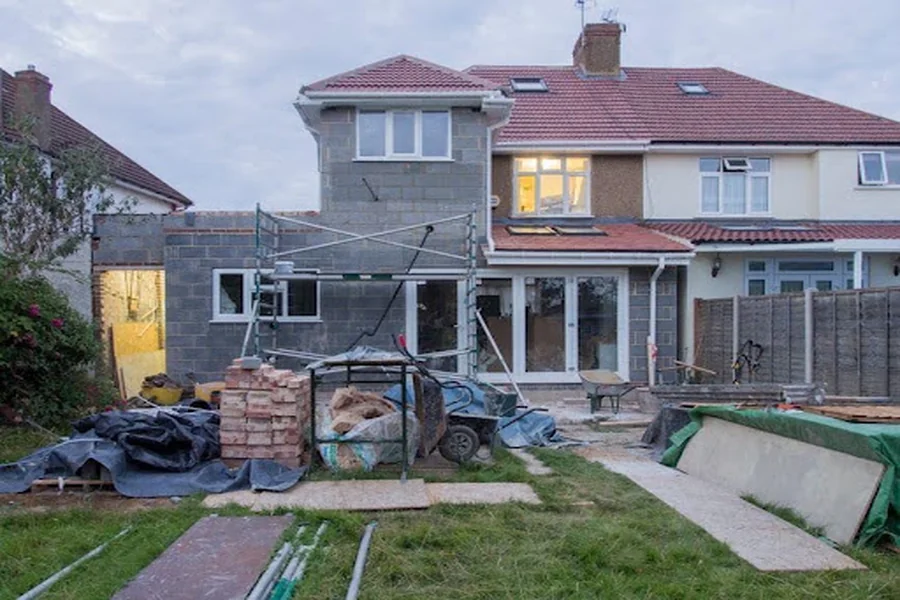
Investing in your home’s exterior is an investment in its future. From the security and aesthetic appeal offered by durable fencing to the convenience and safety of modern garage doors and the transformative accessibility of modular ramp systems, each upgrade contributes to a more functional, beautiful, and valuable property. By prioritizing cohesive design and functional accessibility, we create spaces that serve the needs of all residents, promoting independence and comfort.
As of September 2026, the options for enhancing your home’s exterior are more innovative and adaptable than ever. Whether you’re planning for aging-in-place, improving security, or simply boosting curb appeal, thoughtful upgrades ensure lasting value and long-term durability. We encourage you to explore these possibilities, transforming your home into a truly welcoming and accessible haven for years to come.
