
 James
James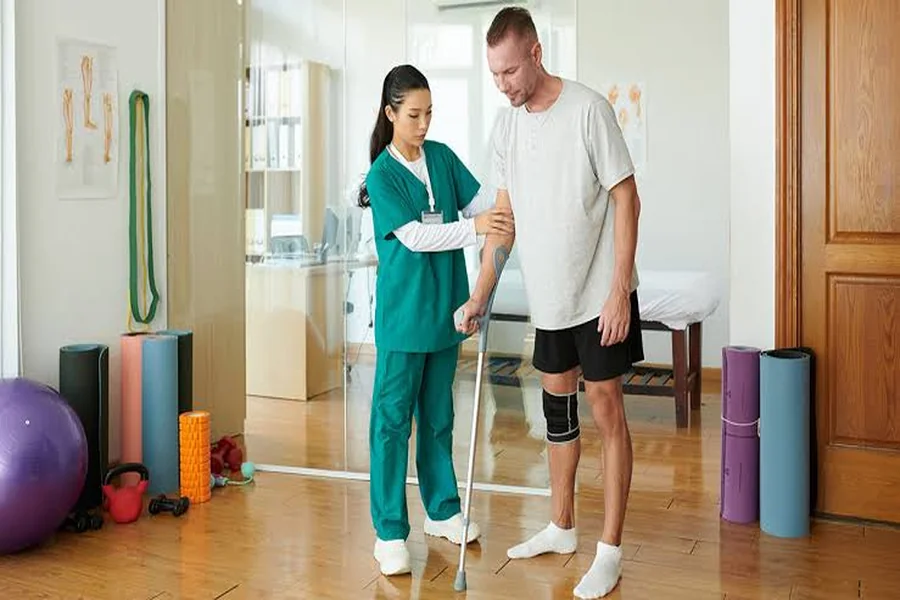
A serious accident can change daily life in a matter of seconds. Beyond the immediate pain or visible injuries, recovery may involve medical appointments, physical limitations, changes at work, emotional challenges, and adjustments that can continue for weeks or months.
There is no universal timeline for healing. The recovery process depends on the type and severity of the injury, a person’s overall health, the treatment required, and how the body responds over time. Understanding the different stages of recovery can make the process feel more manageable and help injured individuals recognize why continued care matters.
- The First Stage: Medical Evaluation and Stabilization
- The Days After an Accident
- Rehabilitation and Restoring Mobility
- Returning to Work and Everyday Activities
- The Emotional Side of Recovery
- Why Keeping Medical Records Matters
- Managing the Financial Impact of a Serious Injury
- Recovery Looks Different for Everyone
The First Stage: Medical Evaluation and Stabilization
Immediately after a serious accident, the priority is addressing urgent medical needs. Depending on the circumstances, this can involve emergency transportation, diagnostic tests, treatment for injuries, surgery, or observation.
Not every injury is immediately obvious. Pain, stiffness, headaches, swelling, or mobility problems can sometimes become more noticeable after the initial shock of an accident has passed.
For this reason, medical evaluation can be important even when someone initially believes their injuries are relatively minor. Healthcare professionals can identify potential problems and determine whether additional testing or monitoring is appropriate.
The Days After an Accident
Once immediate medical concerns have been addressed, recovery often shifts toward managing symptoms and determining what follow-up care is necessary.
Doctors may recommend medication, additional imaging, appointments with specialists, physical therapy, or temporary restrictions on certain activities.
During this stage, patients should pay attention to changes in their symptoms. New or worsening pain, difficulty moving, persistent headaches, numbness, or other concerning symptoms should be discussed with a qualified healthcare professional.
Recovery is not always linear. Someone may feel better for several days before experiencing increased discomfort after returning to normal activities. Following the treatment plan provided by healthcare professionals can help reduce unnecessary setbacks.
Rehabilitation and Restoring Mobility
For many serious injuries, medical treatment is only the beginning of recovery.
Rehabilitation may play an important role in restoring strength, flexibility, balance, coordination, and mobility. Depending on the injury, this might include physical therapy, occupational therapy, or other specialized rehabilitation.
The objective is not simply to eliminate pain. Rehabilitation may also help a person regain the ability to perform everyday activities, from driving and working to exercising or completing household tasks.
Progress can happen gradually. Small improvements in movement or endurance can be meaningful steps toward greater independence.
Returning to Work and Everyday Activities
One of the more difficult parts of recovery can be deciding when to resume normal activities.
Returning too quickly to physically demanding work, exercise, or other activities may aggravate certain injuries. At the same time, healthcare professionals may recommend gradually increasing activity as recovery progresses.
People with physically demanding jobs may require more time or temporary workplace accommodations. Even individuals working in less physical environments can experience challenges if an injury causes chronic pain, limited mobility, fatigue, or difficulty concentrating.
Following medical guidance rather than relying only on how the body feels on a particular day can be important when returning to normal activities.
The Emotional Side of Recovery
Physical healing is only one part of recovering from a serious accident.
An unexpected injury may disrupt someone’s independence, career, finances, family responsibilities, and social activities. Some people can also experience anxiety about driving, difficulty sleeping, frustration about physical limitations, or emotional stress related to the accident.
Support from family, friends, healthcare professionals, counselors, or mental health specialists can be valuable during this period.
Acknowledging the psychological impact of an accident does not make the physical recovery less important. Both can affect a person’s overall well-being and quality of life.
Why Keeping Medical Records Matters
Recovery from a serious injury may involve numerous healthcare providers and appointments. Keeping organized records can therefore be useful throughout the process.
Important information may include medical reports, prescriptions, diagnostic test results, rehabilitation recommendations, appointment dates, and instructions from healthcare professionals.
It can also be helpful to document how an injury affects everyday activities, particularly when symptoms or physical limitations change over time.
Medical documentation provides healthcare professionals with a clearer picture of the patient’s progress. When an injury results from an accident caused by another party, those records may also become relevant when understanding the options available after a serious accident.
Managing the Financial Impact of a Serious Injury
Recovery can sometimes create challenges beyond medical treatment.
An injured person may face healthcare expenses while simultaneously losing income because they cannot work. Some people may require continued rehabilitation, transportation to medical appointments, assistance at home, or changes to their normal routine.
When another person’s actions may have contributed to the accident, injured individuals may also choose to learn about their legal options while they continue focusing on their health.
Having professional guidance for those issues can allow an injured person to better understand the practical and legal questions surrounding the accident. Resources from organizations such as Frank Penney Injury Law can provide additional information about personal injury matters and the steps that may follow an accident.
Recovery Looks Different for Everyone
There is no perfect schedule for recovering from a serious injury.
Some people experience substantial improvement within weeks, while others may need months of treatment and rehabilitation. More complex injuries can require ongoing care and long-term adjustments.
The most important approach is to treat recovery as a process rather than a deadline. Seeking appropriate medical care, following professional recommendations, monitoring changes in symptoms, maintaining useful records, and asking for support when necessary can all play a role.
Ultimately, recovery is about more than simply reaching the point where an injury no longer hurts. It is about gradually rebuilding health, independence, confidence, and the ability to return to everyday life.
