
 James
James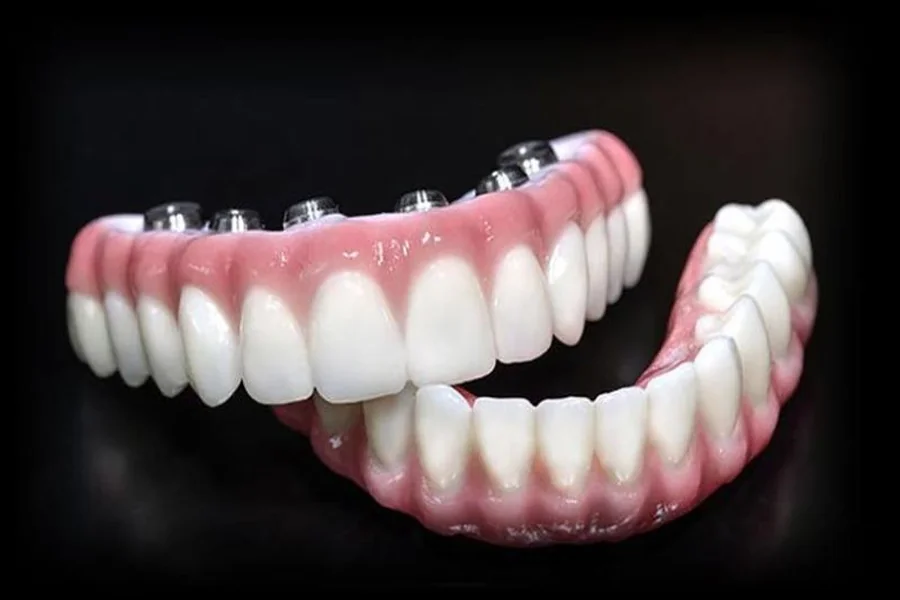
For many patients, the path to full-arch implants begins long before they ever sit in a specialist’s chair. It often starts with years of avoiding photos, chewing cautiously, or managing the daily frustrations of loose dentures and failing teeth. What appears on the surface to be a cosmetic decision is usually rooted in something more practical and more personal: the desire to eat comfortably, speak clearly, and stop organizing life around dental limitations. By the time patients begin researching full-arch care, they are rarely looking for a quick fix. They are looking for a durable answer to a problem that has steadily narrowed their confidence, convenience, and quality of life.
Full-arch implants appeal to patients because they promise stability in a way that traditional removable options often cannot. Instead of relying on suction, adhesives, or remaining compromised teeth, the treatment anchors a full set of replacement teeth to strategically placed implants in the jaw. That structural difference changes how the restoration feels and functions day to day. Many patients are surprised to learn that the benefits are not limited to appearance alone. They also include improved bite force, reduced movement, and a more natural relationship between the mouth, the jaw, and the rest of the face.
The emotional weight of the decision should not be underestimated. People considering this treatment are often balancing expense, fear, health concerns, and the memory of earlier dental disappointments. They want to know not only whether the procedure works, but whether it will work for them specifically. That is why the earliest conversations matter so much. A well-run full-arch process begins by replacing vague promises with a clear clinical roadmap, showing patients what is possible, what is realistic, and what the journey will actually require.
- The Consultation: Building a Treatment Plan Around the Individual
- Diagnostics and Case Design: The Blueprint Behind the Smile
- The Surgical Phase: What Happens on Procedure Day
- Healing and Osseointegration: The Quiet Work That Determines Success
- The Temporary Smile: Why the Provisional Phase Matters More Than Patients Realize
- Crafting the Final Prosthesis: Where Precision Meets Aesthetics
- Long-Term Maintenance: Protecting the Investment After the Final Smile
- What Patients Should Really Expect From the Full-Arch Journey
The Consultation: Building a Treatment Plan Around the Individual
A proper consultation is less a sales pitch than an investigative process. The clinician is evaluating bone levels, gum health, bite dynamics, medical history, and any habits that could affect healing, such as smoking or unmanaged grinding. Just as important, the patient is evaluating the practice in return, looking for clarity, professionalism, and evidence that the team understands both the technical and personal stakes involved. Full-arch implant care is not a one-size-fits-all service, even if the end result can look deceptively streamlined. The consultation is where customization begins, and it sets the tone for every stage that follows.
This early phase typically includes imaging, photographs, oral examination, and a discussion of treatment options, including whether extractions, bone grafting, or sedation may be needed. Patients often arrive assuming there is one standard route to a fixed full-arch smile, but the truth is more nuanced. Implant positioning, restorative design, number of implants, and timing can all shift depending on anatomy and goals. A capable team will explain these variables in plain language without flattening them into marketing slogans. That transparency is essential because treatment success depends not only on surgical skill, but also on patient understanding and preparation.
Because the consultation is the stage where uncertainty begins to give way to structure, many patients look for credible examples that show how full-arch care is actually organized in practice. A useful example appears on the Dental Implant Partners website, where a recent article outlines the full-arch implant treatment timeline and what patients can expect, and shows how consultation, surgery, healing, and final restoration connect as parts of one coordinated process. When the sequence is explained clearly, people are better prepared to ask sharper questions, weigh trade-offs, and move forward with realistic expectations.
Diagnostics and Case Design: The Blueprint Behind the Smile
The most successful full-arch cases are built long before the day of surgery. Advanced diagnostics give clinicians the information they need to map implant placement with precision, assess available bone, avoid critical anatomical structures, and design a prosthetic that works both mechanically and aesthetically. Three-dimensional imaging has changed the field by making treatment planning more predictive and less dependent on guesswork. Instead of reacting during surgery, the team can prepare for angles, density, spacing, and restorative load in advance. That level of detail reduces surprises and improves the odds of a stable, functional outcome.
Case design also extends well beyond the implants themselves. The dentist must think about lip support, smile line, tooth display, facial proportions, phonetics, and the way the upper and lower arches meet during function. A beautiful smile that clicks during speech, traps food excessively, or creates bite strain is not a successful full-arch result no matter how good it looks in a photograph. This is where restorative planning becomes inseparable from surgical planning. The final teeth should not be treated as an afterthought to implant placement. They are the destination, and the implants are positioned in service of that destination.
Patients are often surprised by how much engineering sits behind what they thought was a cosmetic transformation. Every design choice influences longevity, comfort, and maintainability. The shape of the prosthesis affects hygiene access, the bite scheme affects wear and force distribution, and material selection affects durability as well as esthetics. In well-planned cases, these variables are considered as a system rather than as isolated decisions. That systems-based approach is one of the clearest distinctions between a merely adequate treatment outcome and one that continues to perform reliably years after the final smile is delivered.
The Surgical Phase: What Happens on Procedure Day
Surgery day tends to loom large in a patient’s imagination, but in experienced hands it is usually more orderly and controlled than patients expect. By the time the procedure arrives, the team has already completed the diagnostic work, sequenced the case, and prepared for contingencies. If extractions are needed, they are carried out with the implant plan in mind rather than as a separate event. Implants are then placed in predetermined positions intended to maximize support and reduce risk. In many cases, a temporary fixed restoration can be delivered the same day or shortly thereafter, allowing patients to leave with teeth rather than a prolonged gap.
Sedation and comfort management are central to this stage, not peripheral extras. Patients may receive local anesthesia alone, oral sedation, IV sedation, or another carefully selected approach based on the complexity of the procedure and their medical profile. Good surgical care is not simply about placing implants efficiently. It is also about controlling swelling, minimizing trauma, communicating clearly with the patient and support team, and making sure the immediate recovery period starts on stable footing. The day can feel momentous to the patient, but for the clinician it should feel methodical. That difference in perspective is often what allows the process to move with confidence instead of chaos.
Even so, surgery is not the finish line. It is the structural turning point, but it remains one step in a longer sequence. Patients who understand this tend to fare better emotionally because they do not confuse immediate transformation with complete healing. The temporary phase may look impressive, yet it is still part of a controlled transition. Beneath the new smile, the bone and soft tissue are beginning the work of biologic integration, and the long-term success of the case depends on respecting that invisible process.
Healing and Osseointegration: The Quiet Work That Determines Success
After surgery, the most important changes are often the least visible. Osseointegration, the process by which the implant surface bonds with bone, is what turns a placed implant into a functional foundation. Patients may feel eager to test their new teeth, resume normal eating, or assume that appearance equals permanence. In reality, the healing period is when discipline matters most. Instructions about diet, hygiene, medications, and follow-up visits are not suggestions meant to fill a packet. They are part of the treatment itself, and ignoring them can jeopardize stability before the implants have fully integrated.
Soft-tissue healing also deserves more attention than it typically receives in casual discussions of full-arch treatment. The gums must adapt around the prosthesis, inflammation must be controlled, and pressure points or bite imbalances need to be identified early. Temporary restorations can be adjusted during this phase to improve comfort, function, and esthetics as the tissues settle. These refinements are not signs that something has gone wrong. They are signs that the case is being managed actively rather than passively. Good teams monitor the transition closely because small problems are easier to correct before they become larger ones.
The healing period can be psychologically demanding because patients have visible progress but incomplete permission to live as if treatment is over. They often feel much better than they did before, yet they are still in a provisional stage that requires patience and restraint. This is where expectation management pays off. Patients who were prepared for healing tend to interpret the process correctly, while those who expected instant finality may become frustrated or careless. In full-arch implant care, the quiet middle chapter is often the one that determines whether the final chapter will hold up over time.
The Temporary Smile: Why the Provisional Phase Matters More Than Patients Realize
Temporary teeth are frequently misunderstood as a placeholder, when in fact they serve as a live test of the final design. During this period, patients and clinicians gather valuable information about speech, smile line, bite comfort, hygiene access, and day-to-day function. A provisional restoration allows the team to see how the plan performs in the real world rather than only on a screen or model. That feedback can reveal adjustments that improve the final result materially. In sophisticated cases, the temporary phase is not an inconvenience to rush through but a source of insight that makes the definitive prosthesis better.
This stage also gives patients time to adapt physically and emotionally to a fixed full-arch restoration. Speaking with a new tooth position, chewing with greater stability, and smiling without self-consciousness all involve a period of adjustment. Subtle changes in contour or length can affect confidence and comfort more than patients initially expect. Because the provisional phase is reversible and modifiable, it creates room for collaboration without compromising the overall treatment plan. In many ways, it is the most interactive part of the journey, allowing the patient’s lived experience to shape the final outcome.
From the clinician’s side, the temporary smile provides crucial data about load distribution and long-term maintainability. If a patient shows heavy bite forces, parafunctional habits, or difficulty cleaning certain areas, those observations can influence the design of the definitive bridge. Material selection, occlusion, access contours, and even the recommendation for a night guard may be refined based on what the provisional phase reveals. That is why practices that move too quickly from surgery to final prosthesis can miss opportunities to improve the case. A fixed smile may be delivered in stages, but each stage has a distinct purpose, and the temporary one is far more consequential than its name suggests.
Crafting the Final Prosthesis: Where Precision Meets Aesthetics
The final prosthesis is where the clinical, technical, and emotional threads of treatment come together. By this point, healing should be sufficiently advanced, implant stability should be confirmed, and the lessons of the provisional phase should be incorporated into the definitive design. This restoration is not merely a prettier version of the temporary. It is the long-term working structure that must handle chewing forces, speech demands, esthetic expectations, and daily hygiene for years to come. Every contour, contact, and material decision matters because the prosthesis must perform under constant use, not just under close inspection.
Material choices are especially important in this phase. Depending on the case, the final restoration may involve zirconia, acrylic over a titanium framework, or other carefully selected combinations, each with advantages and trade-offs. Strength, reparability, weight, wear characteristics, and esthetic detail all enter the conversation. Patients often focus on what looks most premium, but clinicians must also consider what is most appropriate for the bite, anatomy, and functional demands of the case. A restoration that photographs beautifully but chips, strains implants, or complicates maintenance is not a wise success. The best final smiles balance appearance with engineering discipline.
This phase is also when patients often experience the emotional closure they expected on surgery day. The fit is more refined, the appearance more polished, and the sense of permanence more tangible. Yet the practices that produce strong long-term results usually frame delivery not as the end of care, but as the beginning of ownership. Patients receive instructions for hygiene, maintenance visits, bite protection, and what warning signs should prompt a call. The final prosthesis may complete the visible transformation, but its future depends on whether the patient understands that even fixed teeth require active stewardship.
Long-Term Maintenance: Protecting the Investment After the Final Smile
One of the most persistent misconceptions about full-arch implants is that fixed teeth are maintenance-free. In reality, they eliminate some problems associated with dentures and failing natural teeth, but they do not eliminate responsibility. Plaque still accumulates, inflammation can still develop, prosthetic screws and components still need monitoring, and excessive forces can still cause damage over time. Patients must learn a different kind of maintenance rather than assume they are done with maintenance altogether. That shift in mindset is crucial because neglect can undermine even expertly executed treatment.
Routine follow-up care allows the practice to evaluate tissue health, prosthetic integrity, occlusion, and hygiene effectiveness before minor issues become expensive ones. Professional cleanings, periodic imaging, and restorative checks help detect screw loosening, wear, implant stress, or areas where cleaning technique needs improvement. These visits are not simply formalities added to justify a treatment plan. They are part of the lifecycle of the restoration. Well-informed patients come to see maintenance appointments as protective, not optional, because they preserve both comfort and investment.
Long-term success also depends on how well the restoration fits into the patient’s broader health habits. Smoking, uncontrolled diabetes, nighttime grinding, poor home care, and irregular recall visits can all influence outcomes. On the other hand, patients who protect their bite, follow hygiene recommendations, and maintain regular reviews often enjoy years of stable function and confidence. Full-arch implants can be transformative, but they reward consistency. The final smile is not a static product delivered once. It is a long-term result sustained by good design, disciplined follow-through, and a partnership between patient and provider that continues well after the excitement of treatment day.
What Patients Should Really Expect From the Full-Arch Journey
The most honest way to describe full-arch implant care is as a structured transformation rather than an instant makeover. It can move efficiently, and in some cases dramatically, but its real strength lies in the sequencing: diagnosis, planning, surgery, healing, refinement, finalization, and maintenance. Patients who understand that rhythm tend to make stronger decisions and experience less frustration along the way. They are better prepared for the temporary limitations, the follow-up visits, and the fact that precision is often what makes the process feel slower than advertising suggests. In complex healthcare, speed is useful only when it serves quality.
There is also a deeper shift that occurs during the process. Patients often begin by wanting teeth and end by gaining predictability, self-assurance, and daily ease they had forgotten was possible. The ability to order confidently at a restaurant, laugh without covering the mouth, or wake up without dealing with removable appliances can feel more significant than the visible smile alone. These changes are rarely captured in before-and-after galleries, yet they are often what patients value most. Full-arch care succeeds not simply when the teeth look right, but when life begins to feel less managed around dental problems.
That is why the journey from consultation to final smile deserves to be understood in full, not reduced to a slogan. Every stage has a reason, every checkpoint carries weight, and every durable result rests on more than the procedure itself. Patients who enter treatment with a clear view of the process are usually better partners in that process. They know the goal is not merely to finish, but to finish well. In the best cases, the final smile is not the story’s only payoff. It is the visible proof of a treatment plan that respected biology, function, and the patient behind the case.
