
 James
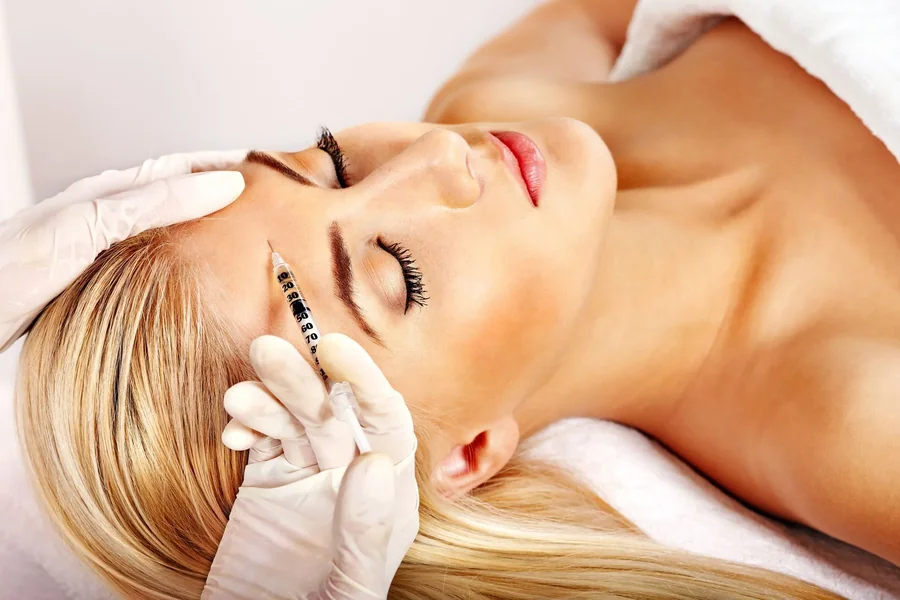
The features we want to keep belong in the conversation
We rarely describe our faces by the parts we want to keep. We start with the line between our brows, a crease in a photo, or a feature that seems to draw our attention. The things we like get less airtime. Yet our smile, the way our eyes move, and the expressions people recognize belong in the discussion, too. We can be curious about a cosmetic change without treating our whole face as a project. Before we ask what could look different, we can ask what still feels like us. That gives the conversation a personal starting point rather than a list of lines we want gone.
We can bring both sides of that thought into a consultation: the concern we want assessed and the features we value. We do not need the right technical words to explain either one. What matters is being clear about our wishes while asking a qualified clinician to explain the limits. This guide explores how we can describe our preferences, examine a proposed treatment, and make room for a decision without pressure. We will also cover the questions worth settling about safety, cost, and follow-up. A discussion of options such as Botox should leave us informed, whether we proceed, wait, or choose no treatment. Our goal is to make the appointment useful before any decision is made. We can then weigh what is proposed against our priorities, with time to ask questions and understand the answers rather than borrowing someone else’s idea of looking good.
How to explain the look you want without copying another face
Describe the feature that concerns you without giving yourself a harsh label. Say whether it bothers you in motion, at rest, or in photos. Ask the clinician to assess that concern rather than naming a treatment first. Include the expressions and features you want to preserve. Ask what can realistically be considered within that preference.
Use photos to explain rather than dictate an outcome. Choose images that help show what you mean about your own face. Ask how lighting, angle, and expression affect the comparison being discussed. Do not use someone else’s result as a promise about yours. Invite the clinician to explain where your request may need reconsideration. A useful consultation should make room for limits as well as possibilities.
- Describe your concern in words you would use with a friend.
- Point out features you like before discussing potential changes.
- Explain what would feel like too much change for you.
- Ask the clinician to summarize your preferences before proposing a plan.
What to settle before you agree to a proposed treatment
Permit yourself to ask direct questions about the care being offered. A friendly setting should still leave room for a thorough discussion. Use these four topics to examine the proposal before making a choice.
- The person treating you
Ask who will assess you and who will perform the treatment. Request their credentials and experience with the concern you have described. Find out who takes responsibility for questions after the appointment.
- Your health history
Bring a list of medicines, supplements, allergies, and past cosmetic treatments. Ask what else the clinician needs to assess your suitability. Mention pregnancy or breastfeeding and any health changes before discussing treatment.
- Risks and limits
Request an explanation of common side effects and serious warning signs. Ask which symptoms require urgent medical help rather than a routine call. Make sure the consent discussion includes the option of declining treatment.
- The full price
Request a written quote that explains what the proposed fee covers. Ask whether a review visit or later changes would cost extra. Keep the decision focused on the plan rather than a deadline for a discount.
Why the review plan matters before you leave the appointment
Ask when the clinician expects to assess the outcome of any treatment. Get that timing from the treating team rather than a social post. Request written instructions for care before and after the appointment. Ask how those instructions fit your work, exercise, and travel plans. Do not change prescribed medicines on your own to prepare for treatment. Bring any conflicting advice back to the clinician for clarification.
Agree on how the practice wants you to raise concerns afterward. Save the contact details before leaving, including instructions for urgent concerns. Ask how the review will compare the outcome with your original preferences. Include what you like as well as what you want discussed. Avoid deciding on further treatment while a question remains unanswered. You can request another explanation before choosing whether to continue.
- Confirm the planned review date and the purpose of that visit.
- Keep the written care instructions somewhere easy to find.
- Ask who responds when the treating clinician is unavailable.
- Bring your original goals back into the review conversation.
Keep the choice yours from the first question to the last
We can explore a cosmetic treatment without handing over our definition of looking good. Our preferences deserve a clear discussion, and the proposed plan deserves careful questions. Understanding the risks, limits, costs, and follow-up gives us more than a yes-or-no decision.
We can use this approach to keep the consultation grounded in what matters to us. There is room to proceed, ask for more time, or decide against treatment. If you are considering a Botox consultation in Golden, prepare your questions and meet with a qualified clinician. Explain what you want assessed and what you want to preserve. Make your next step a choice you understand, not a response to pressure.
