
 James
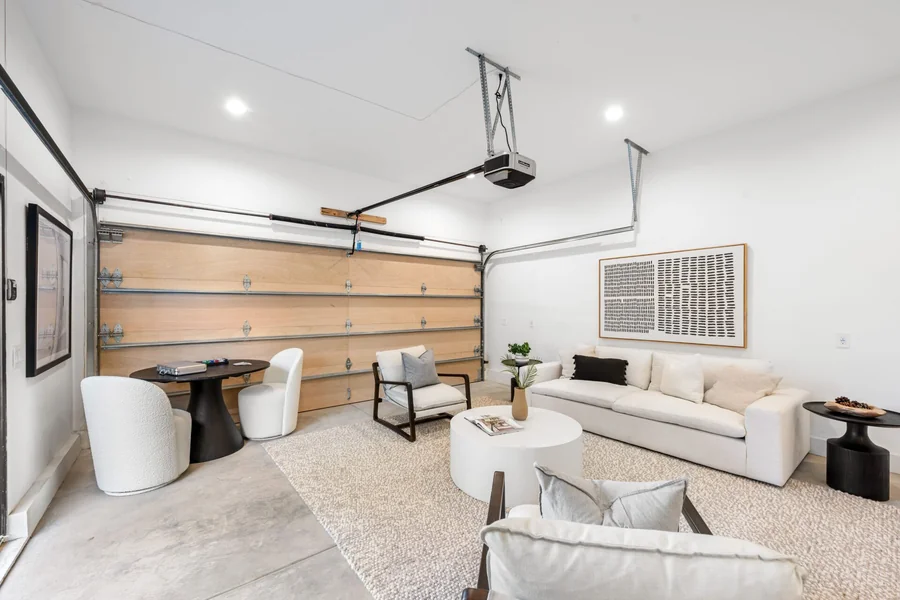
Turning a garage into a home office, gym, guest suite or family room is one of the most popular ways to add usable living space. The floor, however, is often the trickiest part. Garage slabs are usually sloped toward the door, stained with oil and marked by years of wear. Choosing the right concrete finish makes the new room feel like a true part of the home.
Start With the Condition of the Slab
Before picking a finish, look closely at what you have. Most garage floors slope for drainage, and many have cracks, oil stains, old paint or a step down from the main house. Minor cracks and stains can often be handled during grinding, while larger damage may need repair first. Moisture is another factor, since a slab that wicks water will limit which finishes and coverings will last.
Fixing Slope and Uneven Areas
A sloped floor feels odd in a bedroom or office and makes furniture rock. self leveling concrete is a common solution. It is a flowable cement-based material that spreads out to create a flat, level surface over the existing slab. It can raise the floor closer to the height of the adjoining room and fill low spots and minor surface damage in one step.
Once cured, a self-leveled surface can be finished in several ways, from a polished or sealed concrete look to a base for tile, wood or vinyl.
Finish Options for Converted Spaces
- Polished concrete: a durable, low-maintenance surface with a clean modern look
- Stained or dyed concrete: adds warm or bold color to make the space feel finished
- Sealed concrete: an affordable option with a matte or satin look
- Concrete as a base: a level slab ready for rugs, flooring or carpet
For many conversions, stained polished concrete is the sweet spot. It hides the history of the old garage floor, adds color that matches the rest of the home and keeps the toughness of concrete. Acid stains create variegated, natural tones, while dyes provide more uniform color.
Whichever finish you choose, ask about a protective guard or sealer. A converted space may still see bikes, boots and tools passing through, and a good sealer helps the floor resist stains and makes it easier to clean.
Comfort Considerations
Concrete can feel cool underfoot. Area rugs, good insulation and in-floor radiant heating can make a converted room much more comfortable. If you plan to add radiant heat, it is best to decide before any overlay work begins.
Plan the Floor With the Rest of the Project
Floor work should be coordinated with insulation, walls, doors and any permits your project needs. Talking with a concrete flooring professional early helps you choose a finish that fits your budget, your slab and how you plan to use the space.
With the right preparation and finish, a garage floor can become an attractive, durable foundation for a new room that feels like it was always part of the house.
