
 James
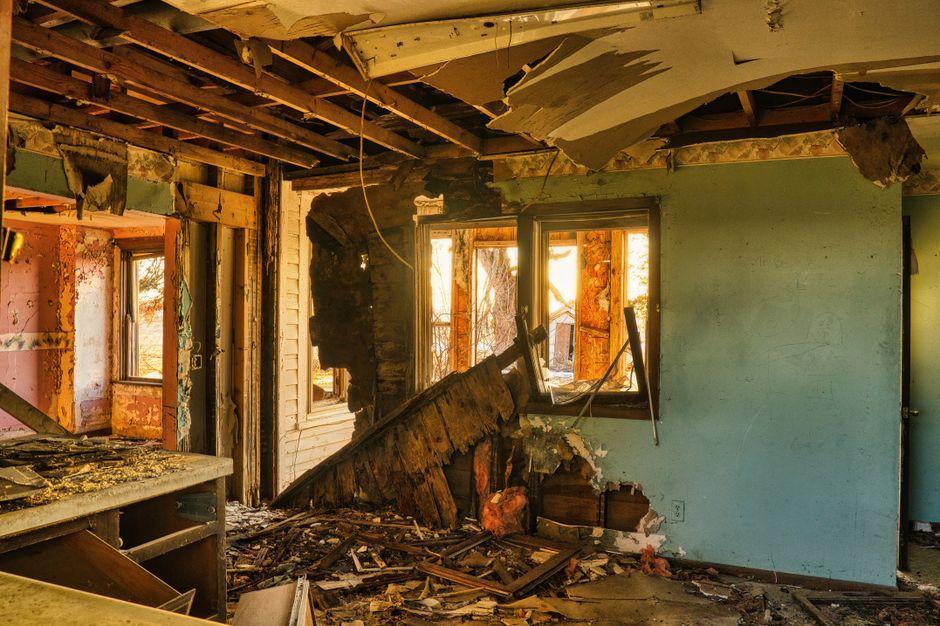
Water damage rarely begins with a dramatic ceiling collapse or a flooded living room. For homeowners in Dallas, sudden storms, plumbing failures, and HVAC problems can lead to unexpected moisture issues. The earliest signs are often subtle, such as a musty smell, warped baseboards, or slight discoloration on painted surfaces. By the time these warning signs become noticeable.
- The first 24 hours are less forgiving than most homeowners expect
- Homes Face a Mix of Weather and Infrastructure Risks
- Mold is only part of the indoor air problem
- Insurance Coverage and Proper Documentation Support the Claims Process
- Investors and sellers need to think beyond the immediate repair bill
- The smartest response plan is built before an emergency happens
The first 24 hours are less forgiving than most homeowners expect
Once water enters your home, the clock starts immediately. Drywall begins absorbing moisture fast, wood swells, and insulation traps water in ways you can’t see from the surface. Within hours, flooring adhesives can weaken, and trim can start to buckle.
Most homeowners assume they can wait a day or two if the mess looks manageable. This delay can cause major damage. Porous materials hold onto moisture even after the visible puddles are gone.
The biggest issue is migration. Water moves sideways, downward, and behind surfaces. A leak in one room can affect subflooring, wall cavities, and nearby electrical components.
Visible drying and actual drying are not the same thing
A room can appear dry while still containing significant amounts of hidden moisture. This difference often confuses homeowners who assume that removing visible water is enough to prevent further damage. Fans, towels, and wet vacuums can help remove surface water, but moisture can be trapped inside walls, beneath flooring, or within structural materials.
Professional drying involves moisture mapping, hygrometers, thermal imaging, and targeted dehumidification. These tools help specialists identify affected areas, determine how far water has spread, and assess whether damaged materials can be restored.
Addressing water damage promptly is especially important when moisture reaches areas that homeowners cannot easily inspect. Professional restoration services can help identify hidden problems, remove excess moisture, and determine the appropriate steps to protect affected materials. Consider working with professionals who are skilled at water damage restoration in Dallas, as they can help assess the damage, remove excess moisture, dry affected areas, and prevent further problems such as mold growth and structural deterioration.
Homes Face a Mix of Weather and Infrastructure Risks
Residential properties face a combination of environmental and structural challenges. Heavy rainfall can overwhelm drainage systems, while aging plumbing lines in established neighborhoods may develop unexpected leaks. Slab foundations, shifting soil conditions, and frequent HVAC use can also contribute to moisture problems in areas that homeowners may not immediately notice.
Condensate drain clogs are a common example. They don’t look serious at first, yet they can soak nearby drywall and flooring over time. Roof vulnerabilities after hail or wind also create slow-entry water problems that stay unnoticed until staining appears.
If you own investment property or plan to sell in the future, regional exposure matters. Buyers, inspectors, and insurers pay attention to prior moisture issues because recurring water intrusion often signals maintenance gaps or structural risk.
Mold is only part of the indoor air problem
Most people jump straight to mold when they think about water damage. Mold matters, but it’s not the only concern. Wet building materials can release odors, support bacterial growth, and affect indoor particulates long before visible colonies show up.
This becomes particularly important in tightly sealed homes with limited airflow. When moisture remains trapped in insulation, behind cabinetry, or beneath laminate flooring, it can affect indoor air quality and create an unpleasant atmosphere. Homeowners may notice a persistent musty odor, which often indicates excess moisture and changes in the indoor environment.
If anyone in your home has asthma, allergies, or respiratory sensitivity, hidden moisture can pose health concerns beyond visible property damage. Air handling systems can circulate that problem through multiple rooms, especially when return vents sit near the affected area.
Insurance Coverage and Proper Documentation Support the Claims Process
Homeowners often assume their insurance policies will cover all expenses associated with water damage. However, claim outcomes depend on several factors, including the cause of the damage, when it occurred, and the documentation available. Insurance providers generally distinguish between sudden, accidental incidents and damage resulting from long-term neglect or delayed maintenance.
This distinction can sometimes surprise homeowners. For example, an insurance policy may cover damage from a burst water supply line, while a slow leak beneath a sink that remains unresolved for months could lead to coverage disputes. Maintaining photographs, accurate records of when the damage occurred, plumbing inspection reports, and mitigation documentation can help support an insurance claim.
Homeowners should also understand the difference between emergency water damage mitigation and complete property reconstruction when reviewing restoration expenses.
Investors and sellers need to think beyond the immediate repair bill
If you own a rental property or want to sell your home, water damage can cause problems. Tenants may notice only the visible damage, while hidden water can make the home unsafe, delay renting or selling, and lead to higher repair costs.
For sellers, even resolved damage can influence negotiations. Buyers often want to know if water damaged the structure of the home, whether anyone checked for mold, and whether the repairs fixed the actual problem or just covered up visible damage. Clear repair records and professional invoices help build more trust than verbal promises.
There’s also the issue of valuation perception. A home with signs of prior water intrusion can trigger caution even after repairs are complete. Smart owners treat mitigation as asset protection, not just emergency response. The goal is preserving the property’s performance, marketability, and trustworthiness under scrutiny.
The smartest response plan is built before an emergency happens
You don’t need to wait for a flooded bathroom to think clearly about water risk. A useful response plan starts with knowing where your main shutoff valve is, which rooms are vulnerable, and who you’d call if water showed up tonight.
Before storm season begins, homeowners should check appliance hoses, inspect the condition of their water heater, look for possible roof leaks, and make sure HVAC drain lines are clear. These simple steps can help prevent serious water damage. If you manage multiple properties, use the same inspection checklist for each one to identify and fix potential problems early.
Water problems have a way of looking minor right before they become expensive. Catching them at the right moment protects more than walls and floors. It protects your timeline, your air quality, and the financial logic of owning the property at all.
