
 James
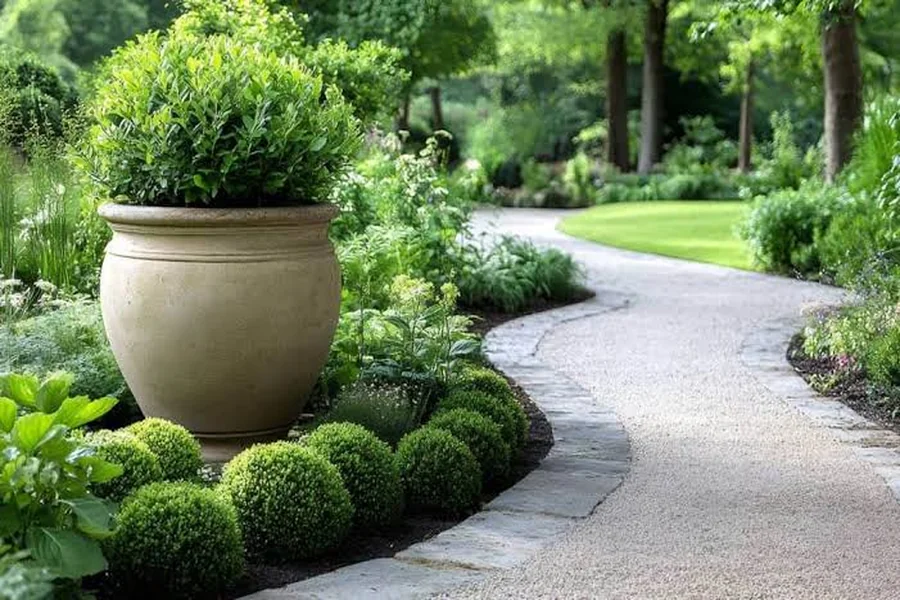
It’s always fun moving into a new home – and the dirt in the back yard may be like a blank canvas! It’s also the place where many homeowners make their biggest landscaping blunders. It is possible for yard work to be hasty and not be planned out, or the features to be installed incorrectly, resulting in drainage issues, ripped lawns, and redo work. Patience and a good plan are the keys.
Wait for Final Grading Before You Build
New-build lots are sloped away from the house. The builder’s grade is required in many cities, including Calgary, prior to starting landscaping work. Adding patios, garden beds or sod before this occurs can put you at risk of altering the grade and sending water to your foundation. Get a status report on the approval process and do not make any changes to grades until they are approved.
Plan the Whole Yard, Even If You Build in Phases
- The worst of all wrong choices is putting it up piece-wise without a strategy. Lots of money can be lost because of a patio put in the wrong location, a tree that blocks a planned deck, or irrigation lines under the future walk. Draw the overall design in outline first, including:
- Any patio, walkways, or future deck will be hard surfaces.
- Planting locations: Trees, shrubs and garden beds (for mature size).
- Utilities and access: Gas Meters, Air Conditioners, Window Wells, Gates.
- Lawn/Play Space: Open space for children, pets and recreation.
Even if you build over several seasons, a master plan makes sure each phase fits the next.
Think About the Deck Early
If you want a deck, its size, height, and position affect everything around it. Considering deck design at the planning stage lets you coordinate stairs, landings, patio connections, and planting beds so the yard flows naturally. Adding a deck later without a plan often means removing sod, moving plants, or reworking paths.
Don’t Skimp on Soil Preparation
Subsoil at new-built yards frequently consists of compacted subsoil with low organic content. Sod or plants placed by machine directly on poor soil will have difficulty becoming established, and may require replacement. Preparing compacted soils and adding good topsoil prior to planting can make lawns and gardens a much healthier investment and start-up.
Choose Plants for Your Climate and Space
It can be easy to purchase any of the appealing plants found at the garden centre. Rather, select plants suited for local conditions and consider their final size. Trees that are planted too near the house or fence can cause issues several years later. Hardy well placed plants can give a yard a difference between success and constant replacement in areas of dry winter winds.
Install Irrigation Before Sod and Hardscape
When installing an irrigation system, do so before sod or patios are installed. It is disruptive and costly to retrofit irrigation under finished surfaces. It’s the same with landscape lighting wiring and conduit under walkways.
Know When to Call in Professionals
Some tasks, like basic planting, suit DIY. Others, such as grading, retaining walls, and large hardscape projects, benefit from experienced hands. Experienced landscape contractors in Calgary and other cold-climate cities understand local soil, drainage, and freeze-thaw conditions, and can help you avoid mistakes that cost far more to fix than to prevent.
Start Smart
Landscaping around a new home is an investment in the long-term. Be patient while waiting for the soil to be graded, plan your yard as a whole, prepare your soil, and do your work. You’ll create an outdoor space that is stunning and will be durable and long lasting.
