
 James
James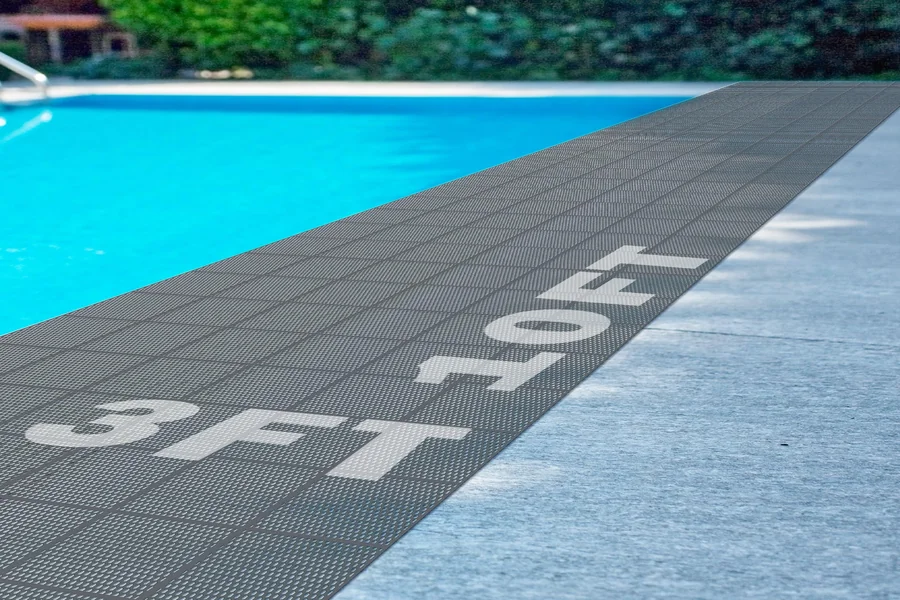
Standing water on a bathroom or pool floor turns a step into a real fall risk. A shower floor mat is built to break that risk by giving feet something to grip while water moves underneath. Some homes need a mat by the tub while a patio or pool deck needs something that covers a much wider stretch of ground. Picking the one comes down to how the mat handles water, not just how it looks on the floor.
The choice usually comes down to a shower floor mat sized for one wet spot or a non-slip drainage mat built to cover a bigger stretch of ground. A bathroom stall or tub edge rarely needs more than a mat cut to fit that footprint. A pool deck, patio or locker room floor asks for something since water spreads across a much larger area after a swim or a rinse. Either way the mat has to move water off the surface enough that feet stay dry between steps.
How Water Actually Moves Off a Mat
Most mats deal with water in one of two ways. A solid rubber or foam surface just holds water on top until it evaporates or someone wipes it up which leaves a slippery layer between your foot and the mat itself. A non slip drainage mat works differently using holes or channels that let water fall straight through to the floor below instead of sitting on the surface. That gap under the mat is what keeps feet on material even seconds after a shower or a pool exit.
The size of those drainage holes matters more than people expect. Small round holes handle light splashing like a bathroom sink area or a shower stall. Wider open patterns clear water flow better which is why pool decks and outdoor patios usually use a coarser hole design than a standard bathroom mat. Matching hole size to how much water hits the floor keeps the surface from turning into a shallow puddle anyway.
Suction Backing Versus Open Drainage Design
A lot of bathroom mats rely on suction cups to stay put on tile or fiberglass. That grip works on flat non textured surfaces but it can fail on rougher tile or stone leaving the mat free to slide right when someone steps on it. A shower floor mat with suction still needs flat contact across the whole underside so a warped or curled mat loses its hold fast. Checking the surface type before buying a suction backed mat avoids that letdown.
Open drainage mats skip suction cups entirely. Rely on weight, texture or interlocking edges to stay in place instead. These work better in areas with flooring, like textured pool decks or outdoor patio stone, where suction cups can’t form a proper seal anyway. A non-slip drainage mat built this way tends to hold up longer since there are no suction cups to wear out or lose their grip over time. For areas this open design usually beats suction backed mats on both stability and coverage.
Choosing Material for Bathroom, Pool, or Patio Use
PVC shows up in shower and pool mats because it resists water damage and doesn’t absorb moisture the way fabric does. TPE, a rubber blend feels gentler underfoot and works well for a bathroom mat meant for daily bare feet contact. Rubber holds up best outdoors since it handles temperature swings and sun exposure better than plastics without turning brittle. Picking the material for the setting is one of the most common reasons a mat wears out faster than expected.
Indoor bathroom mats rarely need UV resistance. Anything going on a patio or pool deck does. Sunlight breaks down plastic over months of exposure leading to cracking and fading long before the mat actually wears out from foot traffic. A material rated for outdoor use costs a little upfront but avoids that early failure. Checking the product listing for outdoor or UV rated language before buying saves a replacement purchase later.
Texture, Traction, and Barefoot Comfort
Grip comes from texture, not the presence of holes in a mat. Raised bumps, ridged lines or a loofah style surface all add friction that keeps feet from sliding when water is actively draining through. A smooth surface, even with drainage holes, still offers less traction than a textured one once it’s wet. That’s why most shower and pool mats add some kind of surface pattern rather than relying on flat material alone.
Comfort matters too for anyone standing at a sink or by a pool for more than a minute or two. A cushioned mat reduces pressure on bare feet compared to standing directly on tile or concrete. That cushioning shouldn’t come at the cost of drainage so the best designs keep the holes running through the layer instead of stopping at the surface. Kids and older adults tend to notice both the grip and the comfort difference first.
Sizing a Mat for Showers, Decks, and Walkways
A single shower stall usually needs a mat sized to match the stall floor not something that bunches at the edges. Bathtub areas often do better with a narrower shower floor mat that covers the space right where people step out. Pool decks and patios call for a different approach since covering a walkway or a full deck area means either a wide roll or several connected sections. Buying a mat small for the space just moves the slip risk to the exposed edge instead of removing it.
Cutting a roll to fit a space is common with pool and patio matting since most decks aren’t perfect rectangles. A basic utility knife and a straightedge handle that job on PVC and rubber mats without much trouble. Measuring the space first. Marking the cut line before starting avoids wasting material on a bad cut. That flexibility is one reason roll style matting works better than fixed mats for larger outdoor areas.
Mold, Mildew, and Everyday Hygiene
Wet mats left without airflow underneath become a breeding ground for mildew fast in a closed bathroom. A drainage design helps here too since keeping the mat lifted off the floor lets air move underneath and dry things out between uses. Solid mats without any gap trap moisture against the floor which’s exactly the environment mildew needs to spread. That’s the cost of a cheap solid mat that only shows up a few weeks after buying it.
Rinsing a mat regularly and letting it dry fully between heavy use days keeps buildup from forming in the place. PVC and rubber mats generally handle a hose down or a wipe with mild soap without any damage. A non-slip drainage mat that gets this basic care lasts longer and stays safer than one that only gets cleaned once it starts smelling off.
FAQs
What is the difference between a shower floor mat and a bath mat?
A shower floor mat sits inside the shower. Stall itself while a bath mat usually sits outside the tub to catch drips after someone steps out.
Can a non slip drainage mat be used outdoors?
Yes, as long as the material is rated for outdoor or UV exposure since untreated plastic can crack and fade faster in direct sunlight.
Do drainage mats work without suction cups?
Yes many rely on weight, texture or interlocking edges instead which often works better on textured flooring than suction alone.
How do I stop a shower mat from growing mold?
Rinse it regularly. Let it dry fully between uses since trapped moisture underneath is what usually causes mildew to build up.
What hole size should I look for in a pool deck mat?
Wider open patterns clear water flow better so a coarser hole design works better outdoors, than the finer holes used in a bathroom mat.
