
 James
James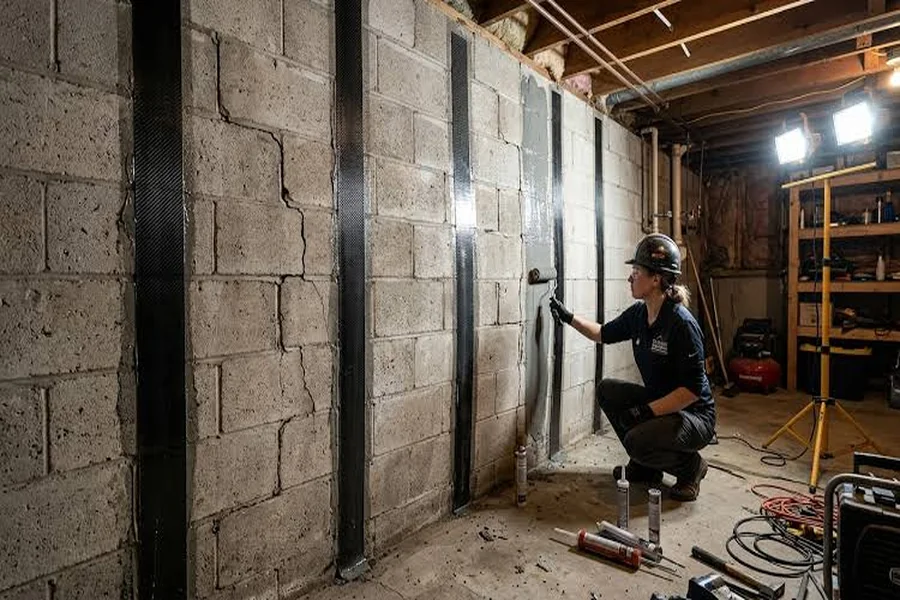
Basement walls carry quiet responsibility beneath a home. They resist soil pressure, seasonal moisture, and weight from the structure above while helping upper floors stay level. When cracks, inward bowing, or water stains appear, a patch rarely gives the wall the support it needs.
Washington’s wet climate and freeze-thaw cycles can place steady stress on below-grade walls, especially in older homes with weaker reinforcement and aging drainage. A sound repair plan reviews wall condition, soil pressure, water movement, displacement, and site access before a crew recommends equipment. That careful approach helps protect the basement and long-term home value. This article will explain vital methods experts use for basement wall repair.
Accurate Wall Evaluation Sets the Repair Plan
For a basement crack repair in Washington, the first expert method is a structural evaluation. Specialists measure wall deflection, study crack direction, inspect floor gaps, and check water entry points. Horizontal cracks, stair-step cracks, and inward bowing can point to active pressure from saturated soil.
A technician separates moisture control from structural repair. Interior drains, sump pumps, and waterproof coatings can manage water, yet they cannot restore a weakened wall. Clear diagnosis prevents guesswork and keeps the solution matched to the cause.
Warning Signs Experts Never Ignore
Every crack pattern gives useful information. Professionals connect symptoms with pressure, settlement, drainage trouble, or design limits.
- Horizontal cracks across the middle of a wall can show bending stress from outside soil.
- Stair-step cracks in masonry may suggest settlement mixed with lateral force.
- Gaps at the floor line or sill area can mean the wall has shifted.
- Water through a crack signals hydrostatic pressure that may increase strain.
- Sticking doors or uneven floors upstairs can show movement reaching the framing.
Carbon Fiber Reinforcement for Mild Movement
Carbon fiber straps are a strong option when movement is limited, and the surface remains close to plumb. The straps bond to the wall and add tensile strength, which helps stop further inward movement. This method can be less disruptive than excavation-based repair, making it practical for finished basements.
Proper preparation makes the system reliable. Professionals in Washington clean and grind the surface, apply structural epoxy, place straps at planned intervals, and anchor them so pressure transfers correctly. The method works best when the wall has moved only slightly.
Anchors, Tiebacks, and Buttress Support for Higher Loads
Wall anchors and helical tiebacks are used when greater soil pressure has caused leaning or bowing. These systems connect the wall to stable soil beyond the pressure zone, then secure it with interior plates. Some systems may help improve the wall’s position gradually.
A provider offering basement crack repair in Washington should explain why anchors, tiebacks, or buttress support fit the property. Buttress reinforcement may be chosen when exterior access is limited by patios, property lines, utilities, or nearby structures. Good design considers wall height, soil load, space, and stability.
Professional Repair Steps Homeowners in Washington Can Expect
A dependable repair process should feel organized from the first visit to final review. The best crews explain findings before recommending materials. They:
- Schedule an on-site evaluation to document cracks, bowing, moisture, and soil clues.
- Compare choices such as carbon fiber, wall anchors, tiebacks, or buttress reinforcement.
- Install the system with correct spacing, hardware, epoxy, plates, and safety controls.
- Seal structural cracks when appropriate to reduce water entry.
- Review warranty coverage, maintenance tips, and warning signs to watch later.
Basement wall repair succeeds when experts address pressure, movement, and moisture together. Homeowners in Washington gain lasting value from inspection-based planning and engineered support. The right method restores confidence in the basement and protects the home above.
