
 James
James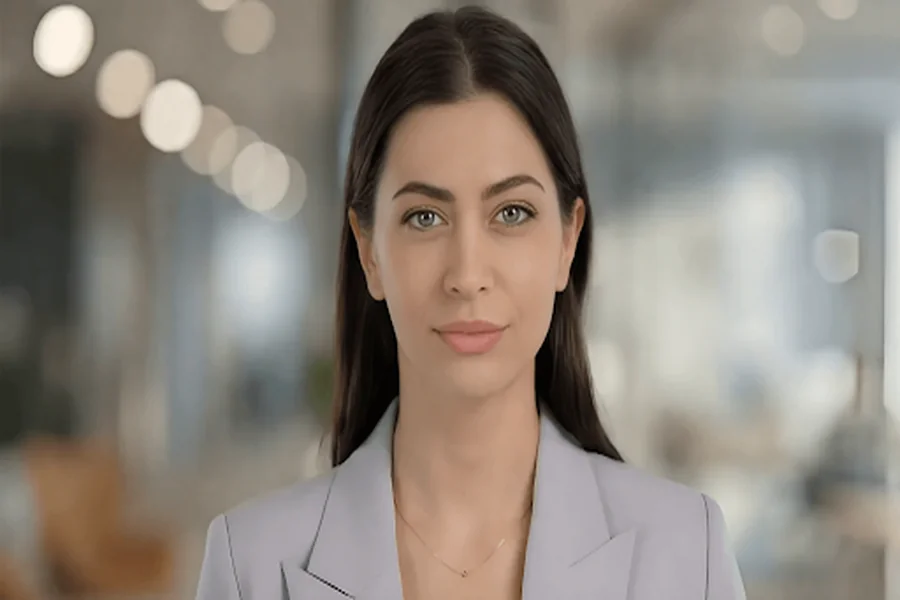
Visual content has become an essential part of communication, marketing, education, and social media. From short promotional videos to engaging presentations, creators are constantly looking for faster ways to produce high-quality visuals. Artificial intelligence has made this process much easier by introducing tools that can turn simple ideas, images, and text into engaging digital content. Among these innovations, talking photo AI, an AI image generator, and Vidnoz AI are becoming useful options for creators who want to experiment with modern content creation.
What Is Talking Photo AI?
Talking photo technology allows a still image to appear as though it is speaking. Instead of using traditional animation software, users can upload a photo and provide text or audio. AI technology can then generate facial movements and lip synchronization that match the spoken content.
This can be useful for many types of projects. For example, businesses can create digital presenters for promotional messages, while educators can turn historical figures or illustrated characters into interactive learning materials. Social media creators can also use talking images to produce entertaining videos without recording themselves on camera.
The technology can save time because creators do not necessarily need a camera, studio, or professional actor for every project. With the right image and script, a simple photograph can become part of a more dynamic video.
Exploring AI Image Generation
An AI image generator works differently from talking-photo technology. Instead of animating an existing image, it can create new visual content from written instructions. A user might describe a character, product scene, background, or artistic concept, and the AI can produce an image based on that description.
This can be particularly useful during the early stages of content creation. Designers can generate concepts before developing a final visual, marketers can explore different advertising ideas, and bloggers can create illustrations that match the subject of an article.
AI-generated images can also help creators overcome the challenge of finding suitable stock photos. Rather than searching through thousands of existing images, users can describe the type of visual they need and experiment with different styles and compositions.
However, AI-generated content still benefits from human creativity. The quality of the final result depends heavily on the instructions provided, the chosen tool, and the creator’s ability to refine the generated image.
Creating Content With Vidnoz AI
Vidnoz AI brings several AI-powered content creation capabilities together in one platform. It is designed to help users produce videos and other visual content without requiring advanced video-editing skills.
One of its useful applications is creating videos with AI avatars and presenters. Instead of filming a person in front of a camera, users can select an avatar, prepare a script, and generate a presentation-style video. This approach can be useful for marketing campaigns, training materials, product explanations, and social media content.
Vidnoz AI can also be useful for creators who want to transform existing visual assets into more engaging content. Combining AI-generated visuals, voice features, avatars, and video editing tools can make it easier to develop content for different platforms.
Practical Uses for Businesses
Businesses can benefit from these technologies in several ways. An online store could use AI-generated images to create product concepts or marketing visuals. A small business could create a talking-photo presentation to explain its services. Meanwhile, a marketing team could use AI video tools to produce multiple versions of promotional content for different audiences.
These tools can also support internal communication. Companies can create training videos, instructional materials, and presentations without organizing a full video production session every time new information needs to be shared. A digital marketing agency can use these tools to create campaign visuals faster while keeping messaging consistent across platforms.
The Future of AI Content Creation
AI is making visual content creation more accessible to people who may not have professional design or video-editing experience. Talking images, generated artwork, AI avatars, and automated video tools can reduce the time between an idea and a finished piece of content.
Still, AI should be viewed as a creative assistant rather than a complete replacement for human input. Strong concepts, accurate information, good storytelling, and careful editing remain important. The most effective results usually come from combining AI capabilities with human creativity and judgment.
As these technologies continue to develop, tools such as talking photo AI, AI image generators, and Vidnoz AI can give creators more ways to experiment, communicate, and produce engaging visual experiences. Whether the goal is marketing, education, entertainment, or social media, AI-powered creation is becoming an increasingly practical part of the modern content workflow.
