
 James
James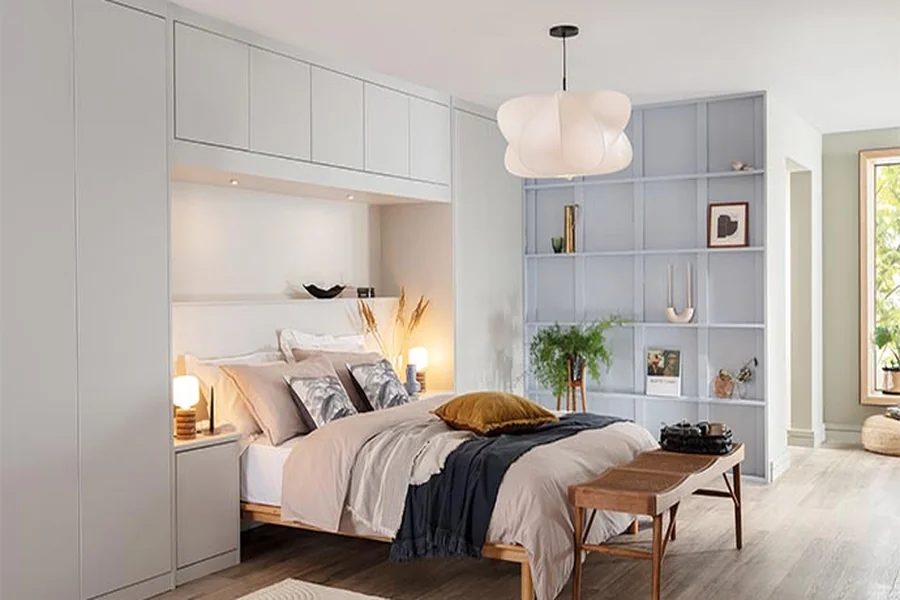
The modern bedroom is expected to accomplish a lot more than offering a place to sleep. It could also be your dressing room, your day-to-day work spot, a space to keep everyday items and one of the few rooms to properly switch off. If space is restricted, you then have to find a way to fit all of the items in without the room feeling cramped, particularly if you’re having issues with corners, sloping ceilings or very little built-in storage. The positive is, though, that a smaller sized bedroom could not ultimately feel cluttered or without character. Some common sense planning with furniture and storage can definitely make the room feel much cooler, easier to use and more comfortable. There are a few ways that homeowners are making best use of their space.
1. Why Making the Most of Bedroom Space Matters
The way we use our bedrooms has changed. As the Resolution Foundation notes, rooms are increasingly being used as home offices and workspaces, particularly since remote working became more common. At But, at the same time, people are attempting to put in much in small rooms. When it comes to limited space efficiency, then it is not just about looks. There’s nothing like a well-designed bedroom to make a bedroom feel a bit less crazy — and everything that comes along with it, from getting dressed to heading to bed, feels that that little bit easier.
2. Creating a More Open and Functional Layout
The way in which furniture is placed into a bedroom can make it appear larger. Large items are placed against the walls and open clear paths are maintained around the room to prevent that “boxed-in” feeling. It’s very important to be honest about what you want to keep. Replacing a clothes pile with a chair or a deep chest of drawers with a slimmer option are seemingly insignificant changes, but can require a lot more help than you may think to free up space.
3. Making Better Use of Storage Opportunities
Storage is most useful when it feels like part of the room rather than another piece of furniture competing for space. Freestanding cupboards and wardrobes can leave narrow gaps or project further into the room than you would like. Built-in storage offers a neater alternative because it can follow the shape of the walls and make use of areas that might otherwise be wasted. Fitted options such as sliding wardrobes are particularly handy in tighter bedrooms. They can run from floor to ceiling, fit around awkward corners and do not need extra space for doors to swing open. That means there is plenty of room for clothes and other belongings without making it harder to move around.
4. Combining Style and Practicality
It doesn’t have to be too utilitarian to look good for storage. Finishes, colours and handles will match the other features in the room, creating a harmonious, relaxed fit for cupboards and wardrobes. Some storage homeowners like the quietness of it fitting into wall spaces, whereas, other people are opting for it to introduce texture or contrast. You can use either method. The crucial factor is that the room remains personal and comfortable, after everything is tidied away.
5.Designing for Future Needs
What works for a household today may not work quite as well a few years from now. Children grow, working habits change and possessions tend to build up, so it makes sense to leave some room for flexibility. ONS housing data shows that the make-up of UK households continues to change, making adaptable rooms increasingly useful. Shelves that can be repositioned, storage that can be reconfigured and furniture with more than one purpose can all help a bedroom keep pace with changing needs.
Efficiently making the most of a bedroom doesn’t necessarily require more square metres. It’s frequently a matter of spotting where space was going, and making some judicious adjustments. Even an average sized bedroom can be space efficient, comfortable and distinctly your with a better layout and storage which you have considered when selecting the bedroom layout and furniture.
