
 James
James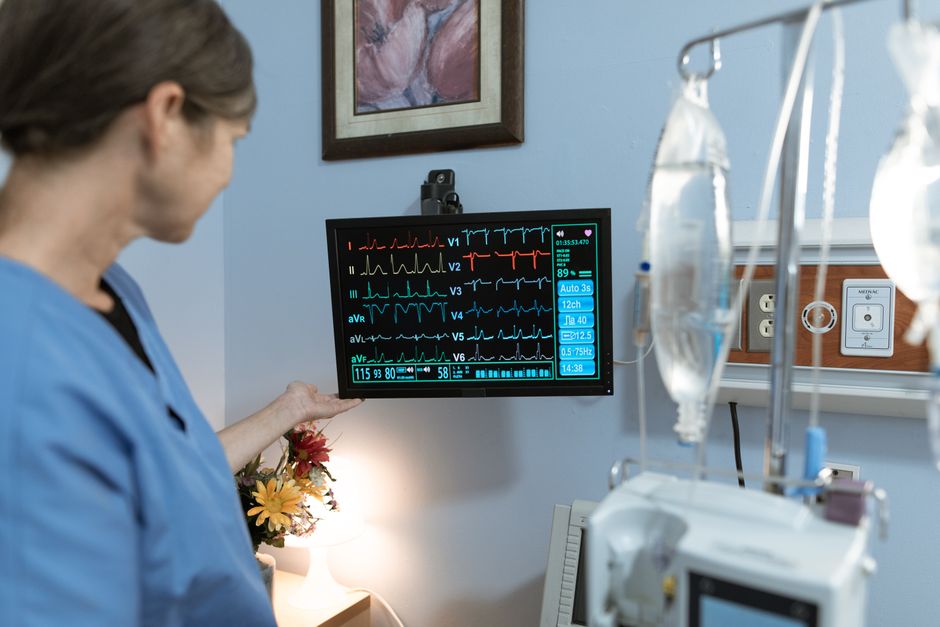
If you’re curious about high-acuity medicine, advanced practice nursing, and the kind of clinical work that keeps your brain fully switched on, cardiology is worth a serious look. Heart care sits at the center of modern healthcare, and demand is strong in major hospital markets, academic systems, and specialty clinics across the U.S. If you want a role that blends patient relationships, fast decisions, and technical skill, this path has real momentum.
- What Makes Cardiology Nursing a Strong Career Path
- How Your Role Can Grow From RN to Advanced Practice
- Education Choices That Set You Up for Cardiac Specialization
- Skills You’ll Need Beyond Clinical Knowledge
- Where Cardiology Nurses and NPs Commonly Work
- Salary Factors and Job Market Realities You Should Know
- How to Make Yourself Stand Out in a Competitive Field
What Makes Cardiology Nursing a Strong Career Path
Cardiology nursing puts you close to some of the most important moments in patient care. You might help manage heart failure, monitor arrhythmias, educate someone after a stent procedure, or support recovery after a cardiac event. The work is clinical, detailed, and rarely boring.
You also get variety. Some nurses work in telemetry or step-down units. Others move into cath labs, electrophysiology, outpatient heart clinics, rehab, or research settings. That range matters because it gives you room to shape your career instead of getting boxed into one lane.
From a workforce perspective, cardiovascular disease remains one of the biggest public health issues in the country. Hospitals and specialty practices need clinicians who can read symptoms quickly, coordinate care, and keep patients from bouncing back through the ER. If you like medicine with both urgency and long-term impact, cardiology delivers.
How Your Role Can Grow From RN to Advanced Practice
Starting as a registered nurse in a cardiac setting gives you a strong clinical base. You learn rhythm interpretation, medication management, patient education, and the subtle signs that tell you a patient is heading in the wrong direction. In heart care, small changes can be loud if you know how to read them.
As your experience builds, advanced practice becomes a practical next step. A nurse practitioner in cardiology may assess patients, order diagnostics, interpret test results, adjust treatment plans, and collaborate with physicians on complex cases. In many systems, that role brings more autonomy and a wider scope of decision-making.
For nurses considering advanced practice roles in heart care, it helps to understand both the clinical responsibilities and the financial outlook. Looking at a cardiology nurse practitioner salary can give you a clearer picture of how education, specialization, and experience may influence earning potential. Youngstown State University offers nursing programs designed to help professionals build the advanced skills needed for specialized healthcare roles. Career planning works best when the numbers line up with what the job actually demands day to day.
Education Choices That Set You Up for Cardiac Specialization
You don’t need to map every detail on day one, but your education choices matter. A BSN is often the foundation for stronger opportunities in hospital systems, especially those with cardiac specialty units. From there, many nurses gain bedside experience before moving into graduate study.
If advanced practice is your goal, you’ll likely look at MSN or DNP pathways tied to acute care or adult-gerontology preparation. That structure fits cardiology well because many cardiac patients have complex adult and older adult health needs. Training often includes advanced assessment, pathophysiology, pharmacology, and supervised clinical practice.
Program format matters too. Online coursework can help if you’re working shifts, but clinical placement support and specialty alignment deserve close attention. A polished website is nice. A program that actually prepares you for managing unstable adults is better. In nursing education, glossy promises don’t place IV lines or interpret EKG changes.
Skills You’ll Need Beyond Clinical Knowledge
Strong cardiology nurses do more than follow protocols. You need pattern recognition, communication skills, and composure when things escalate fast. A patient’s chest discomfort, blood pressure trend, oxygen status, and monitor strip may all tell one story together. Catching that story early can change outcomes.
You’ll also spend plenty of time translating complex information into language patients can use. Medication adherence, sodium limits, warning signs, rehab expectations, and follow-up appointments all affect cardiac outcomes. If your patient leaves confused, the discharge packet has basically become decorative paper.
A few skills stand out in this field:
– Rhythm interpretation and cardiac monitoring
– Medication management, especially anticoagulants and cardiac drugs
– Rapid assessment during acute symptom changes
– Clear patient teaching and discharge communication
– Team coordination across hospital and outpatient settings
– Emotional steadiness during high-pressure cases
Technical competence gets attention, and rightly so. Still, trust, accuracy, and patient education often make the difference between decent care and excellent care.
Where Cardiology Nurses and NPs Commonly Work
Cardiology careers don’t live in one type of building. Many nurses start in hospitals, especially telemetry, ICU, progressive care, or post-procedure units. Those settings sharpen your assessment skills quickly because you’re dealing with unstable conditions, medication titration, and continuous monitoring.
Outpatient practice is another major area. Specialty cardiology clinics manage chronic conditions like hypertension, heart failure, and coronary artery disease. These roles often involve follow-up visits, diagnostics review, medication adjustments, and prevention counseling. If you like continuity of care, clinic work can be a strong fit.
You can also find opportunities in:
– Cardiac catheterization labs
– Electrophysiology programs
– Cardiac rehabilitation centers
– Academic medical centers
– Clinical research organizations
– Device clinics for pacemakers and ICDs
For a site focused on cardiology audiences, research settings deserve special mention. Cardiac trials need clinicians who understand protocols, patient safety, and disease processes. That combination makes experienced cardiology nurses especially valuable in research-heavy environments.
Salary Factors and Job Market Realities You Should Know
Pay in cardiology nursing depends on more than your job title. Geography, setting, education level, certifications, years of experience, and shift structure all influence compensation. An RN in a rural clinic will usually see different numbers than a nurse practitioner in a metropolitan cardiovascular service line.
Specialized knowledge often supports stronger earning power. Experience in acute care, invasive procedures, advanced monitoring, or complex chronic disease management can make you more competitive. So can credentials and graduate education tied to adult or acute care practice.
It also helps to look beyond salary alone. Benefits, tuition assistance, clinical ladder programs, schedule flexibility, call requirements, and burnout risk all shape job quality. A higher paycheck can lose some shine if every week feels like controlled chaos with a badge swipe.
The job market remains favorable because cardiovascular care is not shrinking. Aging populations, chronic disease trends, and expanded specialty services keep demand alive. For nurses willing to build expertise, cardiology offers staying power along with real chances to advance.
How to Make Yourself Stand Out in a Competitive Field
If you want to move into cardiology or level up within it, be intentional. Hiring managers notice candidates who understand the specialty instead of treating it like a random next step. Build a profile that shows commitment, curiosity, and readiness for complex care.
Practical ways to stand out include:
– Seek RN experience in telemetry, ICU, step-down, or cardiac units
– Earn certifications when you’re eligible
– Get comfortable with EKGs, hemodynamics, and common cardiac medications
– Volunteer for quality improvement or patient education projects
– Learn how your unit handles chest pain, heart failure, and post-procedure care
– Explore graduate programs that fit acute adult cardiovascular care
Networking helps too. Talk with nurse practitioners, clinical educators, and cardiac service leaders. Ask what skills matter most in your region or facility. The smartest career moves usually come from specific insight, not generic internet advice shouted into the void.
Cardiology nursing rewards people who like precision, momentum, and meaningful patient impact. If that sounds like you, this field has room to grow with you.
