
 James
James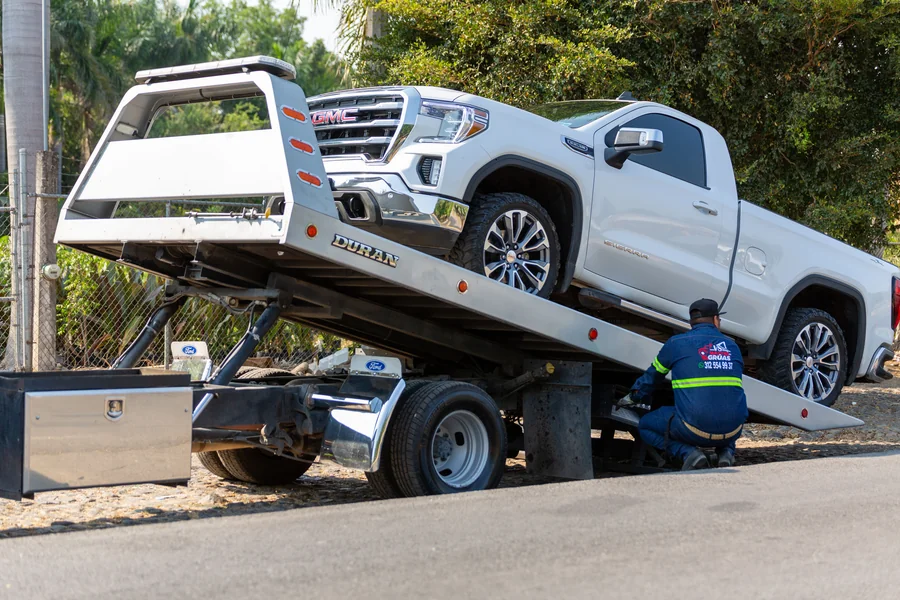
A breakdown does not give good notice. The car is running fine until suddenly there’s a sound, the warning light comes on, the power cuts out or the car pulls to one side. Over the next ten minutes, depending on what you do and what markers you set, you will most likely either get a routine repair or a much bigger repair.
The subsequent fault which is apparent at the workshop point rarely happens as a result of the initial fault. It is derived from what the driver did following it, and how the vehicle was moved off the road.
What Happens After the Engine Quits
Most drivers meet their first roadside emergency with no plan at all, and the confusion of the moment pushes them into decisions they would never make in calmer conditions. The part that gets overlooked is the operator who actually arrives, because one who is working outside their training can turn a simple recovery into a second repair bill.
Formal training and certification in recovery work exist for exactly that reason, and they are what separates a careful lift from a rushed one. On that point, Geyers Towing says every operator is WRECKMASTER certified, which tells you the person handling your vehicle has been taught how to move it properly rather than just quickly.
Pulling Over Without Making the Situation Worse
The place is as important as the time. Select the broadest, flattest, most visible area you can reach, and continue for the distance necessary to reach this area if possible with the vehicle. Having a vehicle stopped on a blind curve, at the top of a hill or half in a live lane introduces a hazard unrelated to the first fault.
Turn on the hazard lights as soon as possible to let traffic behind know what’s going on. If on any slope, turn wheels away from road and use parking brake.
If the shoulder is soft or slanted, it is better to stop a bit further up on firmer terrain as it may be more difficult to retrieve a vehicle without getting into the mud or gravel.
Staying Safe While You Wait by the Road
Once the vehicle is stopped, the priority shifts from the car to the people in it. On a busy road, staying belted inside the vehicle is usually safer than standing beside it, since passing traffic is the real danger. If the location feels exposed, or if there is smoke or a smell of fuel, get everyone out on the side away from traffic and move well back from the road.
Do not stand behind the vehicle, and do not try to push it anywhere. Call emergency services first if anyone is hurt or if the vehicle is blocking traffic in a way that puts others at risk. Everything else, including the repair, can wait until the people are out of harm’s way.
Why Driving On Usually Costs More
The strongest instinct after a breakdown is to nurse the car to a garage, a friend’s house, or just home. It feels practical, and it avoids the cost of a tow. It is also the single most expensive decision most drivers make in this situation. An overheating engine driven a few more miles can warp parts that were perfectly sound when the gauge first climbed.
A flat tire driven on destroys the wheel underneath it. A failing transmission driven under load rarely survives the trip. A slipping belt can take out the systems it drives. The savings on a short tow disappear completely against the repair bill that follows, and often several times over.
Common Mistakes That Turn a Small Fault Into a Big Repair
There are a handful of errors that show up again and again. Restarting an engine repeatedly after it has cut out can flood or strain it further. Opening a hot radiator cap can cause serious burns and solves nothing.
Adding cold water to a hot engine can crack components. Towing a vehicle with a rope or strap behind a friend’s car puts loads on the steering, brakes, and body that none of them are designed for, and does it without proper lighting or control.
Leaving an automatic vehicle in gear while it is being moved can damage the drivetrain. None of these feel dramatic at the time, which is exactly why they are so common.
Protecting Your Vehicle During Loading and Transport
Loading is the point where careless handling does the most harm. Attachment points matter, and so does the angle of the lift, the tension on the straps, and the way the vehicle is secured once it is on board. Before the vehicle leaves, take a few photographs of it from several sides.
Remove anything valuable, along with your documents and keys if you are not traveling with it. Confirm the destination out loud so there is no confusion later. Ask for a written record of the job. These small steps take a minute, and they settle any question that comes up afterward.
Preparing Now for a Breakdown Later
The best time to prepare is while everything is working. Keep a reflective jacket, a flashlight, a warning triangle, a phone charger, and some water in the vehicle. Know what your insurance or roadside cover actually includes, because many drivers find out only when they need it.
Save a number for help before you need one, rather than searching for it on a dark shoulder with traffic going past. Keep up with servicing, tire pressures, and fluid levels, since most roadside failures are the end of a slow problem rather than a sudden one. Preparation will not stop a breakdown, but it does decide how much it ends up costing you.
