
 James
James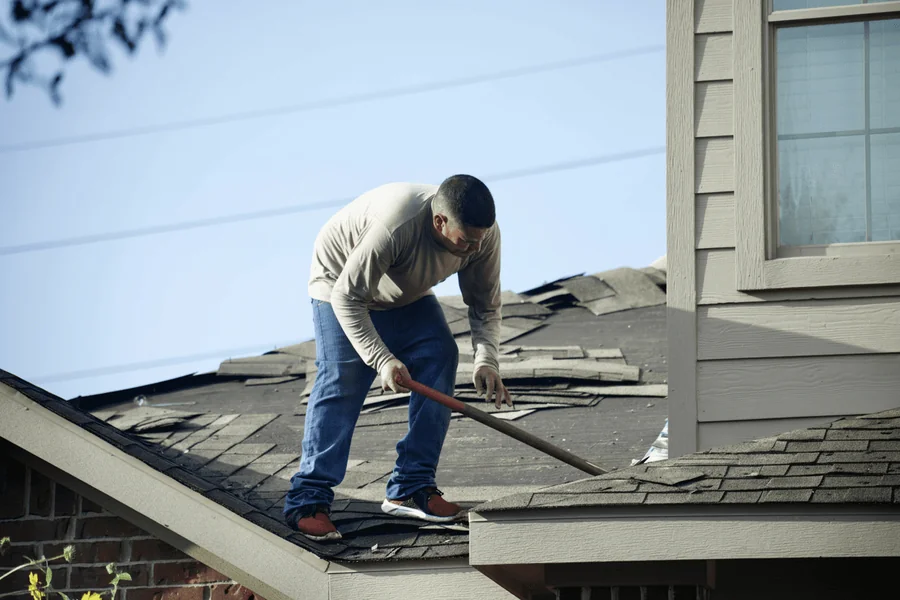
Most homeowners call a roofer on the worst day of the year, mid-storm, with a bucket in the hallway. That is a terrible negotiating position, and it costs more than waiting ever would have. The smarter move is to replace a roof while it still sort of works, on your schedule, on a sunny Tuesday in April.
Picture a house built in the 1980s on a wooded lot in Northern Virginia. The roof is 19 years old. Nothing leaks yet, but the attic smells faintly like damp cedar after heavy rain, and last spring’s nor’easter peeled two shingles off the back slope. That homeowner decides to get ahead of it and books a roof replacement in Alexandria rather than waiting for the ceiling to stain. That single decision is the entire difference between a planned project and a panic purchase.
Here is the honest version of how to make that call, written for the homeowner, not the sales pitch.
What Actually Ages a Roof
Shingles do not die from rain alone. They die from thermal cycling, ultraviolet breakdown, and ventilation problems you cannot see from the driveway.
Every hot afternoon bakes the asphalt mat and expands it. Every cool night contracts it. Do that a few thousand times and the mat stops flexing back, which is why old shingles curl at the edges like a potato chip. Add poor attic ventilation and the deck below stays hot, which speeds the whole process. The National Weather Service maintains climate data for your specific region, and if you want a quick gut check on how much heat and storm exposure your roof actually absorbs, that is the place to start.
My take: ventilation is the most ignored factor in roof lifespan. Homeowners obsess over shingle brand and completely skip the intake vents at the soffit. If your attic hits 140 degrees on an August afternoon, the fanciest shingle on the market is decaying faster than it should.
Age Is a Range, Not a Deadline
A 20 year warranty does not mean the shingles fail at year 20 on the dot. It means the manufacturer will grade the claim, and grade it against installation quality.
| Roof type | Typical service life | What kills it early
|
|---|---|---|
| 3-tab asphalt | Shorter than architectural by a wide margin | Wind, granule loss |
| Architectural asphalt | Two to three decades | Heat, bad flashing |
| Metal standing seam | Often well past 40 years | Faulty fasteners |
| Cedar shake | 30 years and up | Moss, no ventilation |
| Slate | Generations | Failing flashings, not the slate |
Those are broad industry ranges, not predictions about your house. The gable that faces southwest will always go first. A roof on a shaded lot with tree cover holds moisture longer and ages differently than a roof in full sun. Two identical homes on the same street can have ten years of difference between them.
A Ten Minute Attic Inspection You Can Do Yourself
Don’t go up on a wet day, use a flashlight. There are four things you want to see – and you don’t need a ladder to do so!
1.Daylight through roof boards (water can enter the same).
3. Old water tracking on the undersides of the deck.
3. Loose and/or wet insulation directly beneath the chimney and vents.
4. Rust around nails that pierce the sheathing (this is a subtle indicator of moisture over a period of time).
This is a part of my that I’m going to highlight. A stained ceiling is by no means the first sign of trouble. It is the last one. Water typically has been in transit for a period of time first through the deck and then through the insulation until it reaches your drywall. If you notice any of the above four, then it is time to put the call through.
Repair or Replace: How to Decide
Rule one: if the damage sits in one contained area and the roof is young, repair it. Rule two: if you are calling about the same slope for the third time in five years, you are funding a replacement in installments and getting nothing for it. Rule three, and this is the one I actually use: if the roof has less than a quarter of its expected life left and the repair quote passes about a third of the replacement cost, replace it.
Federal guidance from HUD has long treated the roof and its underlayment as a single system for inspection purposes, which is the correct mental model. A patch on a failing system just relocates the problem.
What Drives the Price
The base is determined by square footage. All other words are modifiers.
The pitch is important, a steep slope requires staging, and slower, more careful work. Layers are important since the cost of two old roofs being torn off is higher than the disposal and labor of one. Dormers, chimneys, skylights and valleys are all individually counted as they are all areas where the water must be diverted by hand. But, the deck itself. The most often shocking additional cost, after the tear off is uncovered, is rot.The most obvious “surprise” cost, after removing the shingles, is rot.
Obtain a minimum of three written quotes that break down labor, materials, deck repair costs and disposal expenses. Just one lump-sum figure won’t give you an answer to which bid is the true lower price.
Choosing a Crew Without Getting Burned
You are not buying shingles. You are buying the crew that installs them, and installation quality decides whether you get 12 years or 25 out of the same material.
Ask for a physical business address you can drive past. Ask what happens if it rains mid-tear-off, because a crew with no plan for that will leave your deck open overnight. Ask who handles the manufacturer’s paperwork if a claim comes up later. The National Institute of Standards and Technology publishes wind and structural testing standards that reputable manufacturers and installers build their product claims around, and a contractor who can talk about ratings without dodging is usually one who reads the spec sheets.
Skip anyone who knocks on your door after a storm with a price that expires today. Real contractors are busy because their calendar is full, not because they need your signature before dinner.
Timing It Right
Expect to book if possible in the spring or early fall. Materials move faster, crews are not as overworked as following a big storm and you’re not working against the winter temperatures that cause some sealants to act up. When your roof has the signs of what has been mentioned above, there is no time like the present, so to speak. Compounds for water damage and the repair cost for the deck increases with each passing month.
Schedule a professional inspection every 2-3 years. It’s the cheapest roof insurance you’ll ever find, and it only takes a single telephone call.
So, is your roof closer to the end than you’ve been telling yourself? If you go to the attic, it will tell you the truth in about 10 minutes.
