
 James
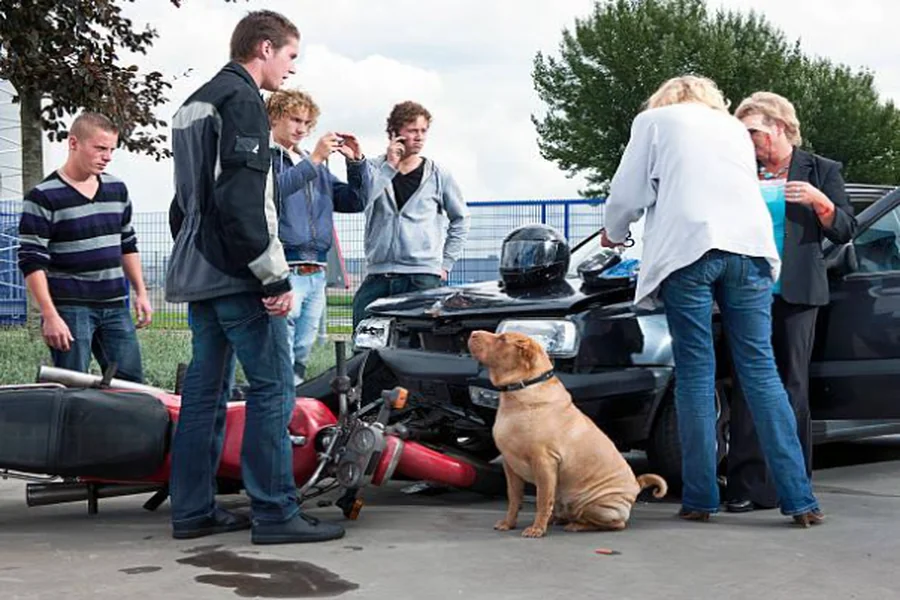
When an animal suddenly enters the road and causes a motorcycle crash, prioritize your safety, seek medical attention, report the incident when necessary, and document the scene if you can do so safely. Even a collision avoided at the last moment can cause a rider to lose control, swerve into another vehicle, or slide across the pavement. Gathering evidence and understanding how fault is determined can help you protect your rights if you suffer injuries or property damage.
Tucson, Arizona, is surrounded by desert landscapes, mountain ranges, and open areas where wildlife is common. Drivers and motorcyclists may encounter animals such as deer, coyotes, javelinas, and other wildlife on roads near natural areas, particularly around dawn and dusk.
If an unexpected animal encounter results in a serious crash, speaking with a trusted motorcycle attorney in Tucson can help you understand the legal options available under Arizona law.
Get to Safety and Check for Injuries
After a motorcycle crash, move away from traffic if you can do so without worsening an injury. If you suspect a head, neck, or spinal injury, avoid unnecessary movement and wait for emergency responders. Call 911 if anyone is seriously injured, traffic is obstructed, or the scene presents an immediate danger.
Motorcycle injuries may not be obvious right away. Adrenaline can temporarily mask pain, and symptoms of a concussion or internal injury may develop later. Get evaluated by a medical professional even if you initially feel relatively well.
If your motorcycle is damaged or leaking fuel, do not attempt to ride it until it has been checked. Wait in a safe location while emergency services or roadside assistance handles the situation.
Report the Crash and Document What Happened
Depending on the severity of the crash and the circumstances, you may need to notify law enforcement. A police report can record the location, road conditions, visible damage, witness accounts, and your description of the animal’s movements.
If it is safe to do so, take photographs of the motorcycle, your injuries, skid marks, road hazards, damaged property, and the surrounding area. Note the time, weather, lighting, traffic conditions, and direction in which the animal appeared.
Collect contact information from witnesses and any other drivers involved. If another vehicle struck you while you were avoiding the animal, record that driver’s information and insurance details. Do not approach or attempt to capture an injured or aggressive wild animal.
Understand How Fault May Be Determined
A crash involving wildlife does not automatically mean that another person is legally responsible. If an animal runs into the road without warning, the incident may be treated as an unavoidable event, depending on the circumstances and available evidence.
However, another party’s actions may be relevant in some situations. For example, a driver who was speeding, following too closely, or driving distracted may have contributed to a collision that occurred while a motorcyclist was avoiding an animal. A road maintenance issue or another hazard may also require investigation, depending on the facts.
Arizona follows a comparative negligence system under A.R.S. § 12-2505. In general, a person’s damages may be reduced in proportion to their share of fault, and contributory negligence does not automatically bar recovery under this rule. How the law applies depends on the evidence and the claims involved.
Review Insurance Coverage and Potential Claims
Your insurance policy may help cover certain losses even if no other driver was involved. Depending on your coverage, collision insurance may pay for motorcycle repairs, while medical payments coverage or health insurance may help with treatment costs. Uninsured or underinsured motorist coverage may be relevant if another driver contributed to the crash and lacks sufficient insurance.
- Review your policy and notify your insurer promptly.
- Provide accurate information, preserve receipts, and keep copies of medical bills, repair estimates, and communications related to the incident.
- Avoid accepting a settlement before you understand the extent of your injuries and financial losses.
- Some conditions require ongoing treatment, and early offers may not account for future expenses.
An attorney can help assess the available evidence, identify potentially responsible parties, and explain which claims may be supported by the facts.
Take Steps to Prevent Further Problems
After the immediate emergency, keep a record of medical appointments, missed work, symptoms, and motorcycle repairs. Follow medical advice and avoid riding until you are physically able and the motorcycle is safe to operate.
Wildlife collisions cannot always be prevented, but riders can reduce their risk by moderating speed near wildlife warning signs, scanning road edges, using appropriate lighting, and remaining alert around sunrise and sunset. If an animal appears, avoid abrupt swerving or hard braking when possible, as either action can cause a loss of control.
Quick Notes
- Seek medical attention and move to a safe location after a motorcycle crash.
- Report the incident when required and document the scene, road conditions, and witness information.
- Fault depends on the circumstances, especially if another driver contributed to the crash.
- Arizona’s comparative negligence law may affect how damages are recovered.
- Review your insurance coverage and keep records of medical expenses and motorcycle damage.
- Get legal advice if you have serious injuries or questions about who may be responsible.
