
 James
James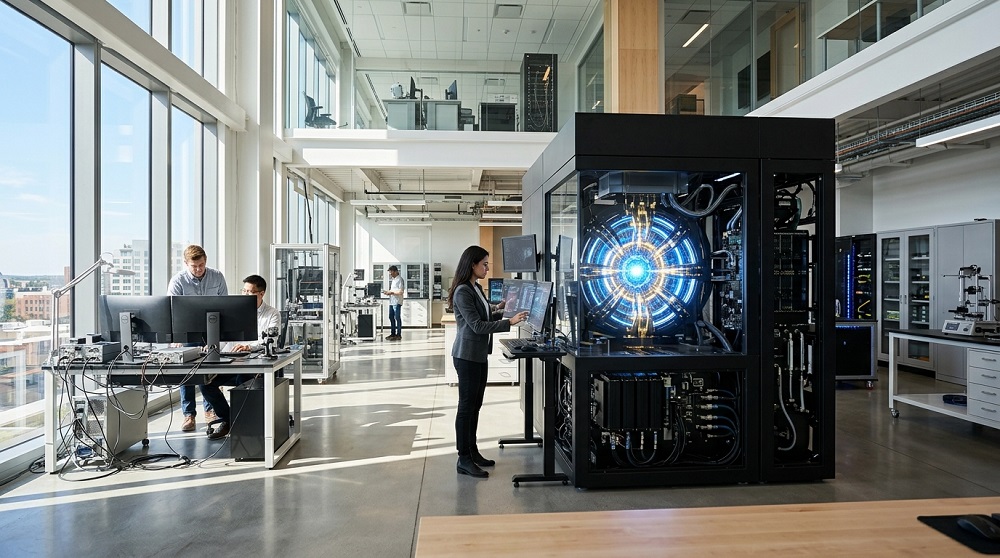
Predicting technology’s future is famously unreliable, but certain developments already show enough momentum and investment to reasonably expect they’ll reshape daily life significantly over the next ten years, rather than remaining niche curiosities.
- Artificial Intelligence Moving Toward Genuine Autonomy
- From Assistive Tools to Independent Agents
- The Governance Question That Follows
- Quantum Computing Leaving the Lab
- Solving Problems Classical Computers Can’t
- Realistic Timelines, Not Hype
- Biotechnology and Personalized Medicine
- Gene Editing Reaching Clinical Maturity
- Medicine Tailored to Individual Biology
- Robotics Becoming More Adaptable
- Beyond Repetitive Industrial Tasks
- Humanoid Robots Entering Real Testing
- Energy Storage and Grid Innovation
- Batteries Getting Cheaper and Denser
- Smarter, More Resilient Power Grids
- Augmented Reality Moving Toward Everyday Use
- From Novelty Headsets to Practical Tools
- Approaching the Next Decade With Realistic Expectations
- Adoption Rarely Matches the Hype Curve
- The Technologies Worth Watching Closely
Artificial Intelligence Moving Toward Genuine Autonomy
From Assistive Tools to Independent Agents
Current AI largely responds to direct prompts, but development is rapidly shifting toward systems capable of completing multi-step tasks independently—booking travel, managing schedules, or handling customer service end-to-end with minimal human oversight.
The Governance Question That Follows
As AI systems gain more autonomy, questions around accountability, error correction, and appropriate boundaries become more urgent than the technology itself, since capability is advancing faster than the frameworks meant to govern its use.
Quantum Computing Leaving the Lab
Solving Problems Classical Computers Can’t
Quantum computing remains largely experimental today, but its potential to solve specific problems—complex molecular modeling, cryptography, optimization at massive scale—exponentially faster than traditional computers makes it a serious long-term investment priority for governments and corporations alike.
Realistic Timelines, Not Hype
Widespread practical quantum computing likely remains further off than some headlines suggest, but specialized applications in pharmaceuticals and materials science may arrive meaningfully sooner than general-purpose quantum computers.
Biotechnology and Personalized Medicine
Gene Editing Reaching Clinical Maturity
Techniques like CRISPR are moving from experimental treatments toward more established clinical applications, particularly for genetic disorders that previously had limited treatment options.
Medicine Tailored to Individual Biology
Advances in genomic sequencing costs falling dramatically are making personalized treatment plans—medications and dosages tailored to an individual’s genetic makeup—increasingly feasible rather than prohibitively expensive.
Robotics Becoming More Adaptable
Beyond Repetitive Industrial Tasks
Robotics has traditionally excelled at repetitive, predictable tasks, but newer systems increasingly handle variable environments—warehouse picking, food preparation, even basic caregiving tasks—that previously required human dexterity and judgment.
Humanoid Robots Entering Real Testing
Several companies are actively piloting humanoid robots in warehouses and manufacturing settings, testing whether general-purpose physical robots can become commercially viable rather than remaining research demonstrations.
Energy Storage and Grid Innovation
Batteries Getting Cheaper and Denser
Continued improvements in battery chemistry are steadily reducing costs while increasing energy density, a shift with implications well beyond electric vehicles, extending into grid-scale renewable energy storage.
Smarter, More Resilient Power Grids
AI-managed grids capable of predicting demand and rerouting power dynamically could significantly reduce outages and improve the integration of renewable energy sources that fluctuate throughout the day.
Augmented Reality Moving Toward Everyday Use
From Novelty Headsets to Practical Tools
Early AR devices felt bulky and impractical for daily use, but improving hardware is pushing augmented reality toward genuinely useful applications in navigation, remote assistance, and hands-free work environments.
Approaching the Next Decade With Realistic Expectations
Adoption Rarely Matches the Hype Curve
Emerging technologies typically take longer to reach mainstream adoption than early excitement suggests, tempered by cost, regulation, and practical infrastructure challenges that unfold more slowly than headlines imply.
The Technologies Worth Watching Closely
Rather than trying to predict every breakthrough, paying attention to which technologies attract sustained investment and solve genuine, persistent problems offers a more reliable signal of what will actually matter a decade from now.
