
 James
James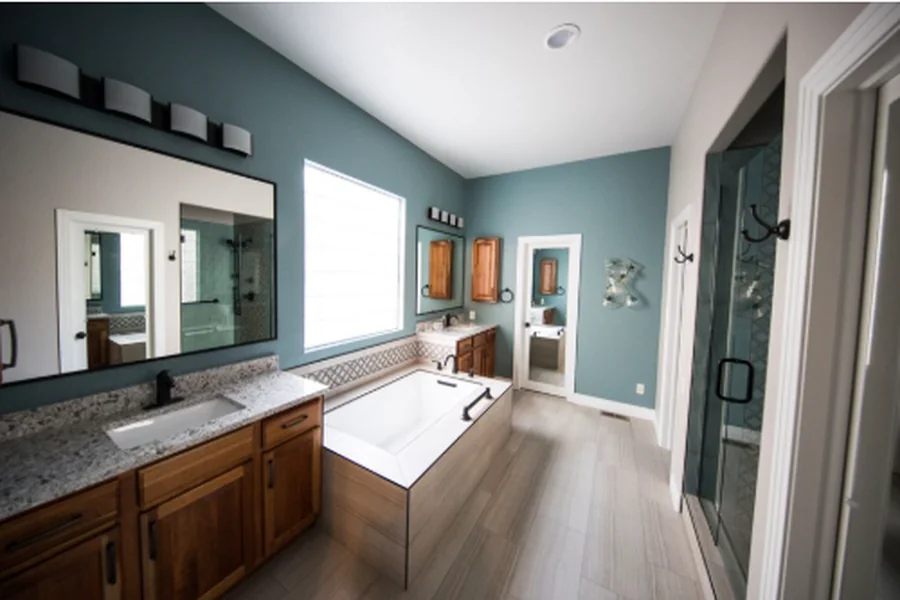
Bathroom remodeling is moving away from the idea that a successful renovation simply means replacing old fixtures with newer versions. Homeowners are increasingly treating the bathroom as a space that has to perform several jobs well: getting everyone through busy mornings, providing privacy, making cleaning easier, supporting changing mobility needs, and offering a quieter place to unwind at the end of the day.
That shift is influencing everything from shower layouts to storage. The most useful trends are not necessarily the loudest ones on social media. They are the changes that make a bathroom easier to live with for years after the renovation is finished.
- Wet Areas Are Becoming the Starting Point
- Showers Are Getting Roomier Without Becoming Complicated
- Low-Maintenance Surfaces Are Winning Attention
- Accessibility Is Moving Into Mainstream Design
- Storage Is Being Designed Around What People Actually Use
- Lighting Is Being Planned in Layers
- Warmer Design Is Replacing the All-White Formula
- Faster Remodels Are Changing How Homeowners Define a Renovation
Wet Areas Are Becoming the Starting Point
For many homeowners, the most important remodeling decisions now begin with the bathtub or shower. These areas take daily wear, collect moisture, require regular cleaning, and can become increasingly inconvenient as household needs change. That makes the wet area a logical place to concentrate a renovation budget.
This is also where professional bathroom remodeling becomes particularly valuable. Projects such as shower replacements, bathtub replacements, tub-to-shower conversions, wall surrounds, and walk-in bathing options involve more than selecting an attractive finish. Measurements, water management, installation, accessibility, and long-term maintenance all need to work together.
The trend is therefore less about making the shower visually dramatic and more about making the hardest-working part of the room perform better.
Showers Are Getting Roomier Without Becoming Complicated
Large showers remain desirable, but the emphasis is changing. Instead of filling the enclosure with elaborate features, many homeowners are looking for openness, comfortable movement, straightforward controls, and surfaces that are easy to maintain.
Replacing an underused tub with a shower can create more usable standing space in some bathrooms. Glass enclosures can help preserve sightlines, while thoughtfully placed shelving keeps bottles from accumulating on floors and ledges.
The best layout depends on who uses the room. A household with young children may still value a bathtub, while another may prefer a spacious shower used every day. Remodeling around actual routines is more practical than automatically following a trend.
Low-Maintenance Surfaces Are Winning Attention
A beautiful bathroom becomes less appealing when keeping it beautiful requires constant scrubbing. That is why maintenance is increasingly influencing material choices.
Homeowners are paying more attention to wall systems, grout lines, seams, flooring, and other surfaces where soap residue and moisture tend to collect. Smooth, durable materials and simplified designs can reduce the number of awkward corners that need regular attention.
This does not mean every bathroom needs to look minimal. Pattern, texture, and personality can still play major roles. The difference is that people are asking an additional question before choosing a finish: what will this be like to clean six months from now?
Accessibility Is Moving Into Mainstream Design
Accessible bathrooms were once discussed mainly in connection with older adults or people with specific mobility limitations. Today, more homeowners are considering accessibility earlier, even when no one in the household currently requires significant assistance.
That can influence choices such as lower-entry showers, walk-in tubs, strategically positioned grab bars, comfortable clearances, and layouts with fewer obstacles. Some accessibility features can be incorporated without giving the bathroom an institutional appearance.
Planning ahead can also reduce the need for another major renovation if circumstances change. A bathroom that accommodates different ages and abilities has a better chance of remaining useful for the household over the long term.
Storage Is Being Designed Around What People Actually Use
Traditional bathroom storage often amounts to a vanity cabinet and perhaps a medicine cabinet. Modern remodeling is becoming more deliberate.
Before planning storage, homeowners can inventory what genuinely lives in the bathroom: towels, toiletries, hair tools, cleaning supplies, medications, grooming products, children’s items, and backup essentials. Different objects need different types of storage.
Frequently used items should be easy to reach without covering the countertop. Electrical tools need sensible access to outlets. Cleaning products may need separation from children’s belongings.
Good storage is not measured by the number of cabinets. It is measured by how little daily effort it takes to put things away and retrieve them again.
Lighting Is Being Planned in Layers
One ceiling fixture is rarely ideal for every bathroom activity. Grooming, showering, cleaning, nighttime visits, and relaxing all place different demands on lighting.
Layered lighting addresses those differences. General illumination makes the room functional, while well-positioned task lighting can improve visibility around mirrors and vanities. Softer lighting can make evening use more comfortable.
Natural light is valuable where privacy and the existing architecture allow it, but artificial lighting still needs careful planning. Placement matters as much as brightness. Harsh shadows around a mirror can make a technically bright bathroom surprisingly difficult to use.
Electrical work should be planned with the room’s wet conditions and applicable safety requirements in mind.
Warmer Design Is Replacing the All-White Formula
The bright white bathroom is not disappearing, but homeowners have more freedom to move beyond it. Warmer neutrals, wood-inspired finishes, muted natural shades, textured surfaces, and contrasting fixtures can make a bathroom feel less clinical.
The key is restraint. Permanent or expensive elements often benefit from choices that can coexist with future style changes. Personality can then come through paint, mirrors, hardware, towels, artwork, and accessories that are easier to update.
This approach avoids designing an entire bathroom around a short-lived trend. A room can feel current without being so closely tied to one aesthetic that it looks dated as soon as tastes shift.
Faster Remodels Are Changing How Homeowners Define a Renovation
Not every bathroom improvement requires removing everything down to the studs. Homeowners are increasingly distinguishing between a full reconstruction and a targeted renovation that addresses the part of the room causing the most frustration.
Replacing a worn bathtub, converting a tub to a shower, installing a new enclosure, or updating the surrounding wall area can significantly change how a bathroom looks and functions without necessarily redesigning every component.
This targeted approach is especially appealing when the existing vanity, flooring, or layout still works well. It encourages homeowners to identify the real problem before expanding the project.
The larger trend running through bathroom remodeling is practicality with intention. People still care about finishes, color, and visual impact, but those decisions are increasingly being tested against daily life. Is the shower comfortable to enter? Is there somewhere sensible to put shampoo? Can the surfaces be cleaned without an exhausting routine? Will the room remain convenient if mobility changes?
A bathroom renovation succeeds when those questions have good answers. The most durable trends are therefore not specific colors or fixture shapes. They are choices that reduce maintenance, improve movement, simplify storage, support accessibility, and make an intensely practical room more pleasant to use.
Instead of chasing a showroom look, homeowners can begin with the moments that currently annoy them. Those frustrations often point directly toward the remodeling choices that will matter long after today’s design trends have changed.
