
 James
James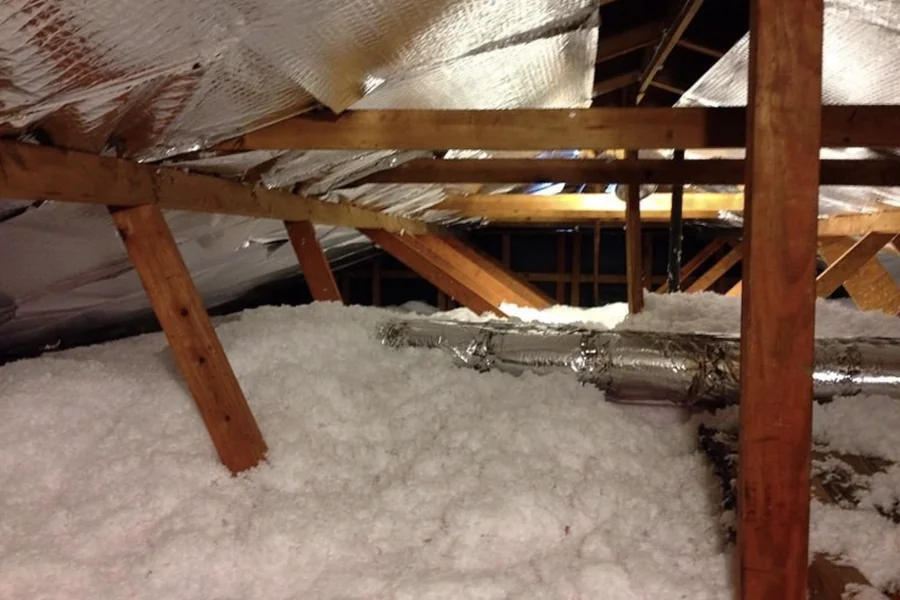
Open cell and closed cell spray foam get marketed like one’s simply the upgraded version of the other. That’s not really how the decision works.
Each type solves a genuinely different physical problem. Picking based on price alone, without looking at what the space actually needs, is how a building ends up with insulation that technically exists but doesn’t do its job. Finding trusted commercial insulation sydney experts who assess the application first tends to prevent that exact mismatch before it becomes a permanent fixture in the ceiling cavity.
Two Foams, Two Completely Different Jobs
Open cell foam breathes. It’s lighter, quieter for sound dampening, and generally the more affordable pick for internal walls and ceilings where moisture was never really the concern in the first place. Closed cells are denser. It adds real structural rigidity, creates a vapour barrier, and holds up considerably better wherever water resistance actually matters, underfloor cavities, roof spaces, refrigerated pipework, that sort of application. Swapping the two based purely on cost tends to solve the wrong problem entirely.
Where Commercial Jobs Get More Complicated
A cold room or refrigerated space needs the denser option specifically, since moisture control stops being optional the moment temperature swings become part of daily operation. Get this one wrong and a damp problem shows up eventually, usually somewhere expensive to fix.
Commercial kitchens bring their own layer of complexity too. Void filling work in food preparation areas has to meet hygiene standards most residential jobs never touch, and an installer unfamiliar with that side of things can create more problems than they solve.
What Really Drives the Quote
Size of the space matters, obviously, but it’s rarely the only variable worth asking about. The choice between open cell and closed cell shifts price considerably on its own. So does how difficult the space is to physically access, and how thick the finished layer needs to be to hit the performance target.
Businesses comparing quotes from a few different providers should ask exactly what sits behind each number rather than accepting a flat figure and hoping it’s comparable to the next one. A cheap quote sometimes just means something got left out. This is usually the exact point where a business starts looking specifically for trusted commercial insulation sydney experts rather than whichever installer happened to answer the phone first.
Getting three quotes rather than one tends to reveal this pattern quickly enough. The middle quote is rarely the safest choice either, sometimes it’s simply the one that left out the same detail as the cheapest option.
Why Experience Shows Up in the Result
Spray foam expands and cures permanently within minutes of application. That’s very different from a batt or roll product that can simply get pulled out and repositioned if something’s off. A mistake here stays a mistake.
A team that’s done this across hundreds of jobs knows how to avoid the errors that only show up months later, uneven coverage behind a wall cavity, gaps near services that never got properly sealed. That kind of experience is hard to fake on a quote sheet, and it shows how a job goes once the crew’s already on site.
Fitting Insulation Around the Rest of the Building
Insulation never works in isolation from everything else running through a ceiling or wall cavity. Fire safety systems, HVAC ductwork, electrical runs, all of it needs to coexist with whatever foam goes in around it.
Working closely with the builders and trades already on site, rather than treating insulation as a separate job that happens whenever it happens, tends to avoid the kind of clash that gets discovered during a much more expensive stage of the build.
Timeframes Worth Planning Around Properly
Smaller residential jobs and standalone rooms usually wrap up inside a single day. Larger commercial or industrial projects understandably take longer. A contractor worth hiring should give a realistic schedule upfront rather than a vague estimate that stretches once work actually starts.
Spaces typically need to be vacated for a few hours while the foam cures and off-gasses properly. That short window is enough for most rooms to be ready again the same day. Once that’s done and the area’s been ventilated, everything goes back to normal use without any lingering issue.
The Higher Upfront Cost Still Makes Sense
Spray foam costs more at the outset than older insulation types, and there’s no getting around that. What it buys in return is a genuinely tighter building envelope, lower energy bills across every season that follows, and considerably less maintenance over the years the building actually gets used.
For a commercial property running heating and cooling constantly, that difference compounds every single year rather than showing up once and disappearing into a spreadsheet nobody looks at again.
