
 James
James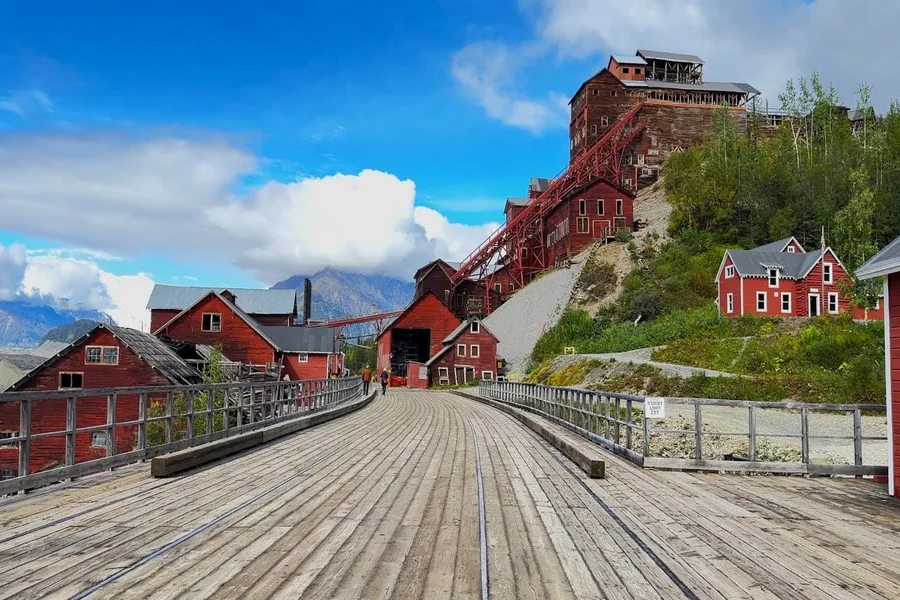
Forty years ago, Park City, Utah was circling the drain. The silver was gone, the miners had left, and the buildings on Historic Main Street were sagging into themselves. Today, the same street hosts gallery crawls, live theater, and outdoor concerts that pack visitors in every single weekend, season after season. That reversal is one of the more remarkable reinventions in American civic life, and it happened in a place most people can find only because a ski resort put it on the map.
The full story is stranger and richer than the ski-town brochures suggest. Understanding it changes how you experience a weekend there, because you stop seeing events as entertainment add-ons and start seeing them as the actual point.
A Boomtown That Nearly Vanished
The first recorded mining claim in the Park City district was filed on December 23, 1869, but it was the discovery of the Ontario mine that acted as the true catalyst for the town’s rapid growth and reputation as a great silver mining camp. What followed was a full-blown bonanza. George Hearst and his business partners purchased the Ontario for $27,000, and the mine would go on to produce over $50 million in ore over its lifetime. By the 1880s, the town had electricity, telephone service, and a population pushing 5,000 people. According to the Utah History Encyclopedia, the Silver King Mining Company was incorporated for $3,000,000 and quickly ranked among the great bonanza silver and lead mines, with Park City booming and personalities like the legendary “Silver Queen” adding to the city’s style and lore.
Then the bottom fell out. Steadily declining silver and metal prices during and following World War I, the Great Depression, and World War II ended Park City’s mining heyday, and during the 1950s, the city was seemingly relegated to a footnote in Utah’s history. In 1949, prices for lead and zinc dropped and 875 men lost their jobs. By the summer of 1951, the Silver King closed and the aerial tramway that had operated for 50 years would never deliver another bucket of ore. The town was functionally a ghost town with a post office.
The Silver-to-Stage Framework: Three Phases of Reinvention
Most people credit skiing for saving Park City, and that’s partly right. But the full transformation happened in three distinct phases, and the ski slopes were only the first act.
Phase 1: The Mountain Saves the Town (1960s to 1980s). Ski resorts arrived and stopped the hemorrhaging. Property stabilized. Visitors showed up for winters. But the identity was narrow and seasonal, and the shoulder seasons were dead.
Phase 2: Culture Fills the Gaps (1980s to early 2000s). The Sundance Film Festival planted itself at nearby Redstone. Galleries opened on Main Street. The Kimball Art Center began drawing serious artists. Local arts organizations started building year-round programming to hold visitor attention beyond the slopes. This is when Park City stopped being a ski town with a cute main street and started becoming a genuine arts destination.
Phase 3: Community Arts as Identity (2000s to present). Organizations like the Arts Council of Park City and Summit County moved arts from nice-to-have to civic infrastructure. The Kimball Arts Festival transformed Main Street into an open-air gallery, while markets like Park Silly Sunday Market and the CREATE PC Holiday Market began showcasing local artisans and growers from Summit County. The town stopped curating only for visitors and started building a creative culture for residents, which paradoxically made it far more magnetic to visitors.
That three-phase arc is worth holding onto when you plan a visit. You’re not visiting a resort with a cultural afterthought. You’re visiting a place that consciously rebuilt its entire identity around creativity after the economy that built it collapsed.
Why Events, Not Attractions, Are the Weekend Draw
Attractions are static. A mining museum is the same museum it was last Saturday. Events are alive, and Park City has leaned hard into that distinction. The city now permits nearly 80 events per year , covering everything from film screenings and poetry readings to outdoor concerts under the Wasatch Mountains and hands-on art workshops that sell out within hours of posting.
This aligns almost perfectly with where American travelers’ heads are right now. According to a 2025 survey reported by Hotel Online, 57% of American travelers say they are likely to attend a ticketed concert, festival, or performing arts event while traveling, while 38% say attending a ticketed event is the primary purpose of their trip. Park City’s event-heavy weekend calendar is not incidental. It’s engineered to meet exactly that demand.
“Americans are now more than ever prioritizing meaningful moments and memory-making travel,” according to MMGY’s 2025 Portrait of American Travelers report, which identifies experience-driven events as a primary trip motivation rather than a secondary one.
The practical implication: if you’re planning a weekend around what’s happening rather than just where you’re going, Park City rewards that approach more than almost any mountain town its size.
A Real Saturday in Park City (Not a Fantasy Itinerary)
Here’s how a Saturday actually unfolds when you plan around the event calendar rather than the ski map. You start at the Park City Farmers Market or the Silly Sunday Market, where local ceramicists and painters sell work next to food vendors. You take the free Park City Transit to the Egyptian Theatre on Historic Main Street for whatever production is running that week. Afternoon, you walk the gallery corridor on Main Street, where more than 20 galleries showcase curated collections of fine art, sculpture, photography, and jewelry. If the Deer Valley Concert Series is running, you end the day with live music in a natural amphitheater setting that no indoor venue can replicate.
None of that requires a ski pass, snow, or even advance planning beyond checking the current event listings. Knowing where to look is the only real barrier, which is exactly why a resource that tracks things to do in park city utah this weekend matters. The event mix rotates constantly, and what’s happening on any given Saturday is usually different from what happened the Saturday before.
What the Arts Do for a Place Like This
There’s a structural argument for why Park City’s arts scene is resilient in ways a purely ski-dependent economy isn’t. Arts engagement builds community attachment, and community attachment keeps a place alive through economic cycles. The National Endowment for the Arts has documented that arts participation among U.S. adults is directly tied to social connectedness, with its Spring/Summer 2024 brief examining the relationship between arts engagement and community bonds. That’s not just good for local residents. It’s what makes visitors feel they’ve actually been somewhere, rather than just passed through.
Park City’s pivot from extraction economy to experience economy took about 40 years and plenty of false starts. The mining camp that nearly became a ghost town now has an arts council, a film festival with global reach, and a weekend event calendar that changes every week. The silver is gone. What replaced it is harder to mine but considerably more durable.
So the next time you’re deciding between a long vacation somewhere versus a quick weekend in a mountain town with a real cultural pulse: consider that the best experiences in Park City are not the ones you find on a resort map. They’re the ones posted on a community calendar for this weekend specifically.
