
 James
James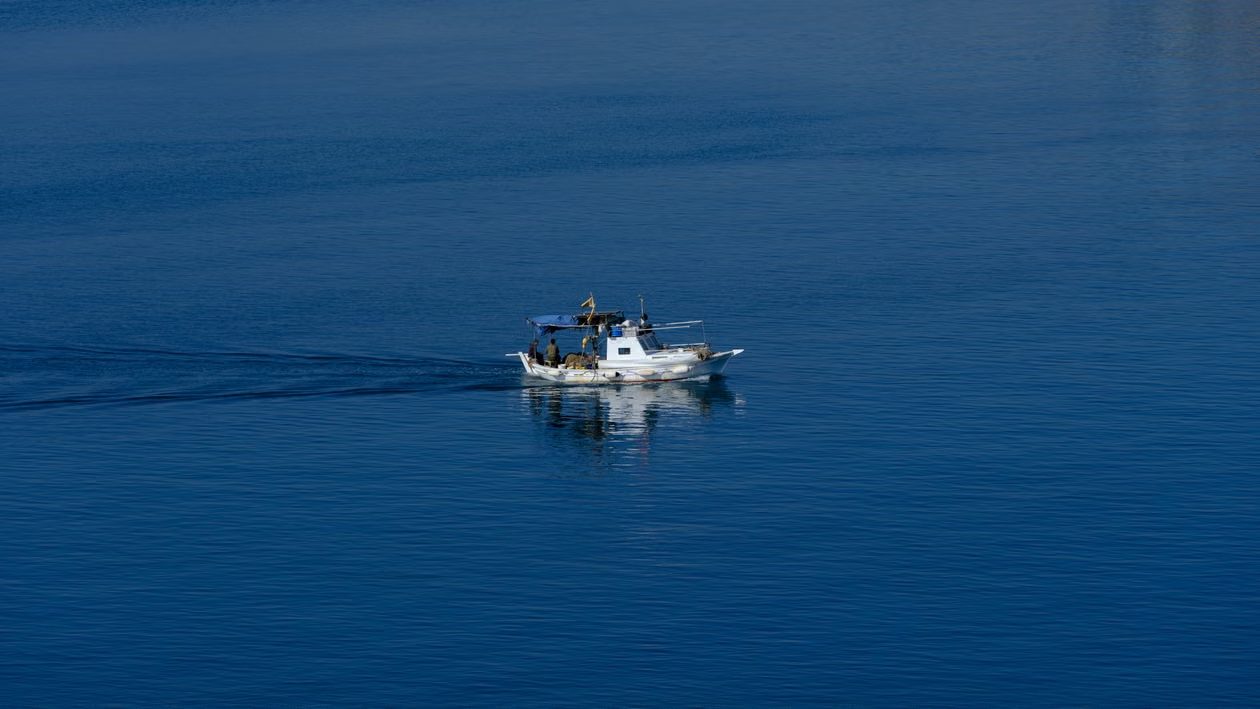
Ever feel like you need a holiday from your holiday?
Vacations these days are scheduled from dawn to dusk. Early morning flights. Waiting in long lines. A list of places to see before hopping on another tour bus. You arrive home exhausted…and slightly defeated.
Here's the problem:
Fast travel doesn’t allow your mind any downtime. Slow, nature-centric travel does. It trades speed for:
- Fresh air
- Open water
- Quiet hours with nothing to do
And your body and brain will thank you for it.
Discover the wellness benefits of slow travel explained, and learn how to plan your wellness getaway.
Time to dive in!
Here's what's inside:
- What Is Slow, Nature-Focused Travel?
- Why Nature Is So Good For You
- The Ocean Effect: Why Water Makes You Feel So Good
- 5 Ways To Plan A Slower, Healthier Trip
- Here's what's inside:
- What Is Slow, Nature-Focused Travel?
- Why Nature Is So Good For You
- Lower Stress
- Better Sleep
- More Movement
- The Ocean Effect: Why Water Makes You Feel So Good
- Wellness Travel Is Growing Fast
- 5 Ways To Plan A Slower, Healthier Trip
- 1. Pick One Base
- 2. Plan Around The Outdoors
- 3. Book At Least One Full Day On The Water
- 4. Switch Off Your Phone
- 5. Leave Gaps In Your Schedule
- Bringing It All Together
What Is Slow, Nature-Focused Travel?
Slow travel means visiting less places but spending longer getting to know them.
Instead of five cities in seven days. You choose one location, explore it thoroughly and dine where locals dine. And you spend most of your time outdoors — in the mountains, on a beach or out on the ocean.
Outdoor travel emphasizes nature, but nature travel takes it one step further. Your entire vacation revolves around the outdoors. Think hiking trails, serene lakes and many days on a boat.
Take a full day charter deep sea fishing excursion. It's slow travel in the purest form. You head out hours before sunrise. The coast falls away and there is nothing but blue water as far as the eye can see. There are no emails. No traffic. Just the hum of the engine and slap of the waves. The best charter fishing experiences provide hours of uninterrupted open ocean, salty sea air, and a legit excuse to sit still (something most people rarely do at home).
Pretty cool, right?
And here's the coolest part… It's not necessary to be a seasoned fisherman.
Why Nature Is So Good For You
Here's the thing…
Your body wasn't designed to sit under fluorescent lights all day. Spending time outside can help reduce stress, boost your mood and improve your sleep.
But how much time do you actually need?
Research of almost 20,000 adults in England showed that those who spent at least 120 minutes a week in nature were significantly more likely to describe their health and wellbeing as good. It didn't matter if they got those 2 hours in one go or in shorter bursts.
That's good news if you're travelling. One lazy day outdoors on vacation can give you your "fill" of nature for the week.
Think about it:
A frantic city break gives you 20 minutes in the park. A leisurely trip into nature gives you hours each day.
Lower Stress
Time outdoors resets your body from “fight or flight.” Your heart rate decreases, your breath deepens. Less screens and noise allows your brain to unwind.
Better Sleep
Natural light and fresh air can reset your circadian rhythm. You'll likely find yourself dozing off sooner after a long day outdoors… waking up feeling refreshed.
More Movement
Slow travel doesn't equate to lazy travel. Walking, swimming, paddling and pulling in a fish will keep your body active — and never feel like exercise.
The Ocean Effect: Why Water Makes You Feel So Good
Want to know something most people don't realise?
Maybe spending time near water is actually better for you than time in the woods or on a prairie. Scientists refer to it as "blue space".
Analysing 35 studies, researchers from the Barcelona Institute for Global Health found that spending time around blue spaces was associated with improved mental health and less stress. Research from the University of Exeter found individuals who lived within 1km of the coast were less likely to be classified as 'high risk' of experiencing common mental health disorders compared with those who lived more than 50km inland.
Why does this happen? Experts point to a few things:
- The calming sound of the waves
- Wide open views that help you switch off
- More physical activity near the water
- Clean, fresh sea air
When you reserve that beach walk, sail trip or deep sea fishing charter… You're not just enjoying yourself. You are actually resetting your mind.
That's a win-win.
Wellness Travel Is Growing Fast
Travel fatigue has become too common. Travelers want vacations that will restore them… not drain them.
Here are some statistics to prove it. Wellness tourism globally is valued at approximately $894 billion according to the Global Wellness Institute. A study by McKinsey found that 84% of consumers in the US had traveled two hours or more away for a wellness getaway.
In brief: wellness has evolved past pedicures. It means getting outdoors and slowing down.
5 Ways To Plan A Slower, Healthier Trip
Want to try your hand at slow travel? Follow these steps for a refreshing trip.
1. Pick One Base
Pick one town or locale and stay there the entire trip. Packing less and traveling less means more relaxing.
2. Plan Around The Outdoors
Plan each day around one outdoor excursion. An early morning hike. A day sailing. A beach walk at sunset. Fill in the rest of the day however you want.
3. Book At Least One Full Day On The Water
This is the big one…
Go out on the open ocean all day. Chartering a deep sea fishing trip is ideal. Not only will you be outdoors for an extended period of time, but you'll also have the easy task of fishing to occupy your mind. Fishing is one of the best ways to meditate and learn patience as you wait for that catch.
Whooooshhhhhhhhh!!!! screams of reels all around and the entire boat erupts into cheers, it's really tough to concentrate on work then!
4. Switch Off Your Phone
Silence your phone. Check messages twice daily. Once morning. Once night. No more.
5. Leave Gaps In Your Schedule
Skip planning every hour. Some of the best times during slow travel are when you don't have anything planned.
Bringing It All Together
Traveling slowly and with a focus on nature is one of the easiest ways to enhance your health abroad. It allows you to:
- Lower stress — by trading busy cities for quiet, open spaces.
- Sleep better — thanks to fresh air and natural daylight.
- Move more — without it ever feeling like exercise.
To quickly recap:
- Aim for at least two hours a week in nature
- Pick one base and stay put
- Get out on the water whenever you can
- Switch off and leave room to breathe
Whether you are hiking on a secluded woodland path or spending all day on a deep sea fishing charter… The objective is identical. Unwind, get outside and let Mother Nature take over.
