
 James
James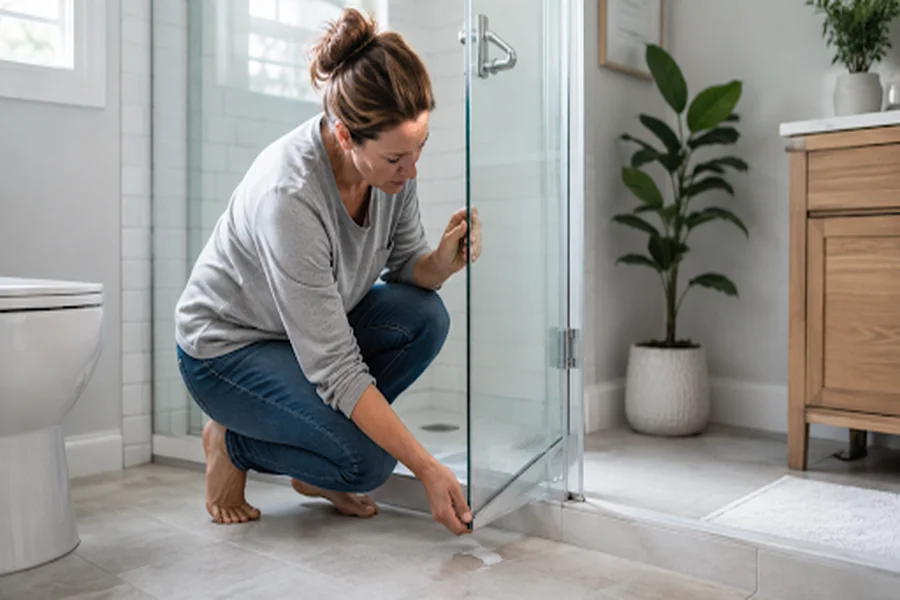
A replacement part can feel most convincing right after it has been installed.
It is in place. The door still closes. From a few feet away, it may not look much different from the old one.
Then you start using it.
The shower door feels a little heavier at the bottom. There is a faint rubbing sound when it closes. After a shower, a small amount of water still makes its way out underneath.
At that point, it is easy to assume the new seal itself is the problem.
Sometimes it is not quite that simple. The part may be installed in the right place and still behave differently once the door starts moving, the flexible section bends, and it meets the surface below.
Some Differences Are Hard to See Right After Installation
There is only so much you can check while a replacement part is sitting still.
Is it secure? Is it roughly in the right position? Is the length about right?
Those things are fairly easy to see.
But plenty of small household parts only show how well they fit once they are being used.
A cabinet hinge may look fine until the door is opened and closed and you see where the panel actually sits. Weather stripping may fit neatly along a door frame, then feel too tight once the door presses against it.
A shower door bottom seal works much the same way.
A new seal can sit firmly on the glass and look perfectly straight. That still does not tell you exactly what it will do once the door starts moving or water begins running down the glass.
Sometimes the first real test is simply opening the door.
Small Design Differences Show Up Once the Door Starts Moving
A bottom seal does not stay in one fixed shape all day.
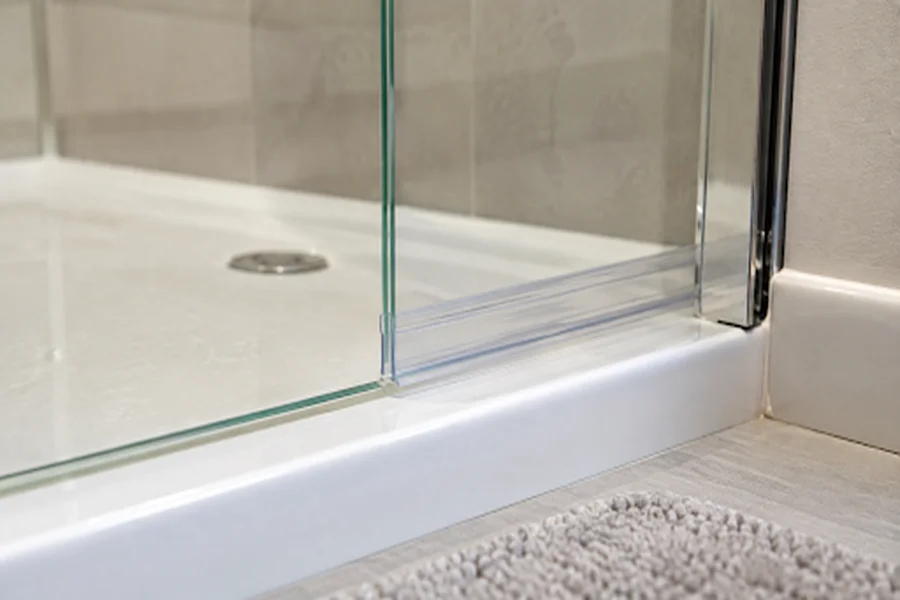
It moves with the glass when the door opens. When the door closes, the flexible section underneath usually needs to meet the shower base, threshold, or another nearby surface.
That is when the length of a small fin starts to matter.
If it does not reach far enough, water running down the glass may still find a gap underneath.
If it reaches too far, it can stay pressed against the shower base. The door may still open, but you can sometimes feel the seal dragging underneath. A light rubbing noise that was not there before can show up too.
The flexibility of that lower section can make a difference as well.
A softer fin can usually bend as the door moves. If the contact is too tight, or the flexible section is relatively stiff, the door may feel more resistant when it opens or closes.
So if water is clearly getting out from underneath the door and the old bottom seal is already worn, looking at replacement seals for leaks under shower doors is not only about finding something that clips onto the glass.
It also helps to consider what the flexible section will do once the door is moving. It needs enough contact to do its job without leaving a gap or being pressed too heavily against the surface below.
Those differences can look tiny when the seal is sitting on a table.
After the door has been opened and closed a few times, they are easier to notice.
An Old Seal Can Show How It Used to Work
An old seal may not look very useful once it has been removed.
But after spending years on the door, it often carries a few clues.
The flexible fin may have taken on a slight bend in one direction. One section may show more wear than the rest. The part gripping the glass can look different from the section that spent years meeting the shower base.
None of this necessarily tells you the exact replacement model, and it does not need to turn into a complicated measuring exercise.
It can simply help show how the old part used to sit on the door.
Which side stayed fixed? Which part had to bend? Where was it making regular contact?
When several replacement profiles look similar, those small signs can sometimes tell you more than another front-facing product photo.
A Replacement Has to Work With the Door, Not Just Fit Onto It
Shower door seals are a good example of how this plays out.
Many clear profiles can look fairly similar when they are sitting side by side. Once fitted, though, the length and direction of the flexible section, how it moves with the door, and where it meets the surrounding surface can all change the way it behaves.
SIMBA Seals focuses on replacement shower door seals. For someone replacing a seal on an existing shower door and finding several profiles that look close to one another, the useful comparison is not just the outline. It is also how the seal is likely to move, flex, and meet the shower base or nearby surface once it is installed.
A new seal can look very close to the old one in your hand and still feel different in use. A different fin length, a stiffer flexible section, or a slightly different contact point may lead to dragging, extra resistance, or a gap where water can still pass.
So once a replacement is fitted, it is worth actually using the door.
Open it a few times. Close it. Listen for any new rubbing sound and check whether the bottom is dragging more than it used to. Then see what happens once water is running.
Some differences only become obvious then.
