
 James
James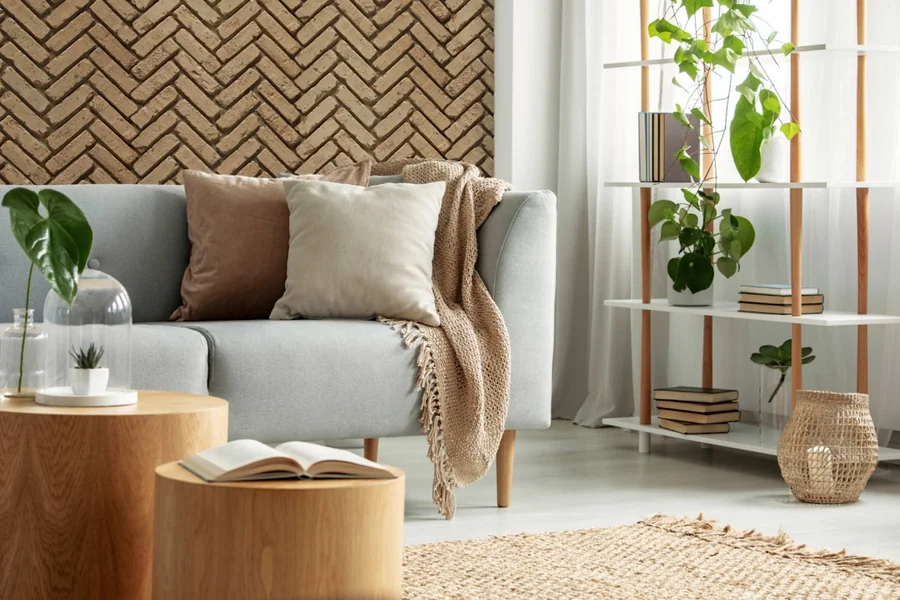
Flat, painted plasterboard has its place, but there’s a reason so many recent office, retail and hospitality fit-outs lean on texture instead. Textured interior wall panels in a brick, stone or concrete finish bring warmth, grit or industrial edge into a space in a way that paint just can’t replicate, and they do it without the cost, weight or lead time of the real thing. Texture panels have quietly become one of the most requested finishes in commercial design briefs over the last few years.
Brick brings a lived-in, characterful feel
Brick finishes work particularly well where you want a space to feel a bit more human, think coffee shops, coworking spaces, or breakout areas that are trying to avoid feeling too corporate. It softens a room in an odd way, giving it a sense of history even in a brand new building. Brick also tends to age well visually, since it doesn’t show marks and scuffs the way a painted surface might over years of use.
Stone adds weight and a sense of permanence
Stone finishes tend to suit spaces that want to feel solid and considered, hotel lobbies, reception areas, anywhere that first impressions really matter. There’s something about a stone texture that reads as quality and permanence, which is exactly why it turns up so often in the entrances of buildings trying to make a strong first statement. It pairs particularly well with warm lighting, which brings out the natural variation in tone across the surface.
Concrete leans into a cooler, more industrial mood
Concrete finishes have become the shorthand for contemporary, slightly edgy design, popular in creative offices, galleries and hospitality venues that want to feel a bit more raw and unpolished. It pairs particularly well with warmer materials elsewhere in the space, like timber flooring or soft furnishings, since the contrast keeps the whole scheme from feeling too cold or clinical.
Timber shouldn’t be forgotten either
While brick, stone and concrete get a lot of attention, timber-effect texture panels are worth considering too, especially where a project wants to bring in some natural warmth without the maintenance demands of real wood cladding in a commercial setting. It’s a good middle ground option when a brief wants softness without going fully into the territory of dedicated slatted timber systems.
How to actually choose between them
The honest answer is that it comes down to the mood you’re trying to create and the rest of the material palette in the space. It’s worth requesting physical samples of any interior wall panels you’re shortlisting rather than relying on photos, since texture reads very differently in person, under different lighting, and up close versus from across a room. It’s also worth checking fire performance credentials for whichever finish you land on, and asking whether the finish has been tested as part of a complete assembly rather than just as a raw material, so there are no surprises further down the line during sign-off.
Mixing finishes without it looking accidental
A lot of the strongest schemes we’ve seen don’t rely on just one texture across an entire space, they mix two, most often a dominant finish for the largest surfaces alongside a secondary texture reserved for one standout feature wall. The trick to making that work is restraint. Pick a lead finish, let it cover the majority of the space, and use the second texture sparingly enough that it still reads as a deliberate accent rather than a clash of ideas. It’s also worth thinking about how interior wall panels will sit alongside flooring, furniture and lighting, since a finish that looks fantastic on a sample board can behave quite differently once it’s surrounded by the rest of a finished interior.
