
 James
James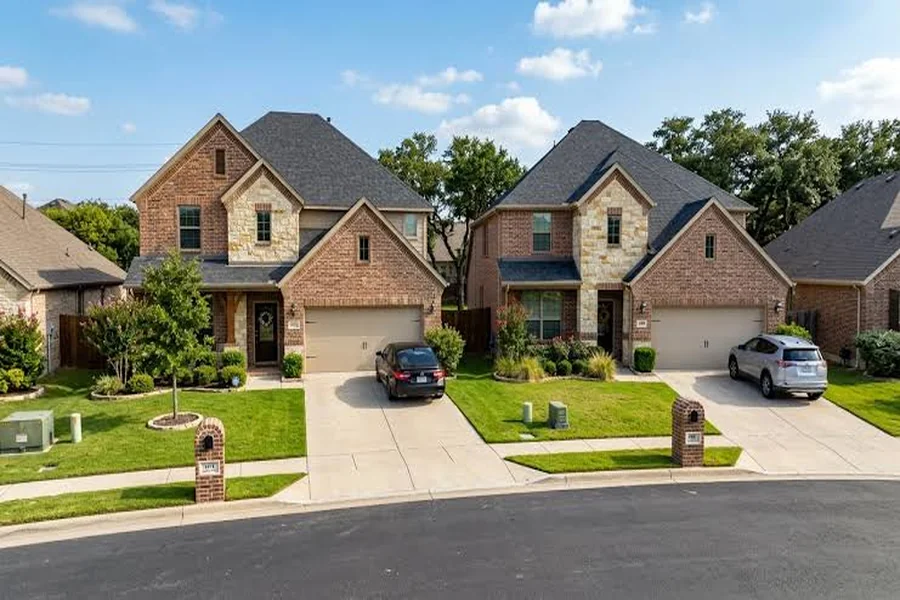
Two homes on one Texas street can carry separate tax rates. The answer comes down to the units that draw revenue from each parcel. Those units set boundaries with no relation to the street layout. The gap shows up on the yearly bill as a real dollar amount.
The property tax rate in Texas comes from local units, never from the state government. Texas collects no state property tax. Each unit adopts a rate each year for its own budget. The sections below cover the boundaries that split a single block.
A Texas Tax Rate Comes from Several Taxing Units
A taxing unit is a local body with authority to levy a tax. School districts sit at the top of that list for size. Counties, cities, plus special districts follow. Each unit adopts a separate rate under truth-in-taxation rules. Those rules require a public hearing before a rate above the voter-approval level. The combined figure on a bill adds up every unit tied to the parcel. Research from Texas A&M covers the limits placed on yearly revenue growth.
School District Lines Rarely Match Street Lines
School district taxes form the largest share of a Texas bill. District boundaries date back decades in many parts of the state. Growth pushed subdivisions across those older lines. One side of a street can fall inside a separate district. Each district adopts its own rate for maintenance plus debt service. A gap between district rates changes the yearly bill on a mid-priced house.
City Limits Stop Partway down a Block
City limits follow annexation history across Texas suburbs. A parcel inside the city pays a municipal rate. The house across the line sits on unincorporated county land. That address skips the city rate altogether. Service coverage changes with the same line for police plus trash pickup. The county appraisal district records the correct jurisdiction for each parcel.
Special Districts Attach to Certain Parcels Alone
A municipal utility district funds water lines plus drainage for one development. The MUD levies a rate on parcels inside its boundary. Neighbors outside that boundary pay nothing toward the debt. Emergency services districts work the same way. Hospital plus college districts add further layers. New subdivisions carry several of these layers at once. Bond debt inside a district keeps the rate elevated for years.
The Notice of Appraised Value Lists Every Unit
The spring notice names each taxing unit tied to the address. A county map of the property tax rate in Texas shows the spread across the state. The Texas property tax directory links the local site with adopted rates. Truth-in-taxation hearings fall across August plus September each year. A unit listed in error on the notice justifies a call to the district. An assessed value above the recent purchase price supports a formal protest. Licensed consultants take that step for owners across Texas counties. The consultant reviews the appraisal record for errors. Sales evidence follows at the informal meeting.
Two homes on one Texas street can sit inside separate taxing units. School district lines, city limits, plus special districts create the split. A rate check on the notice shows every unit behind the total. Owners who track those units each spring keep the yearly bill tied to real boundaries.
