
 James
James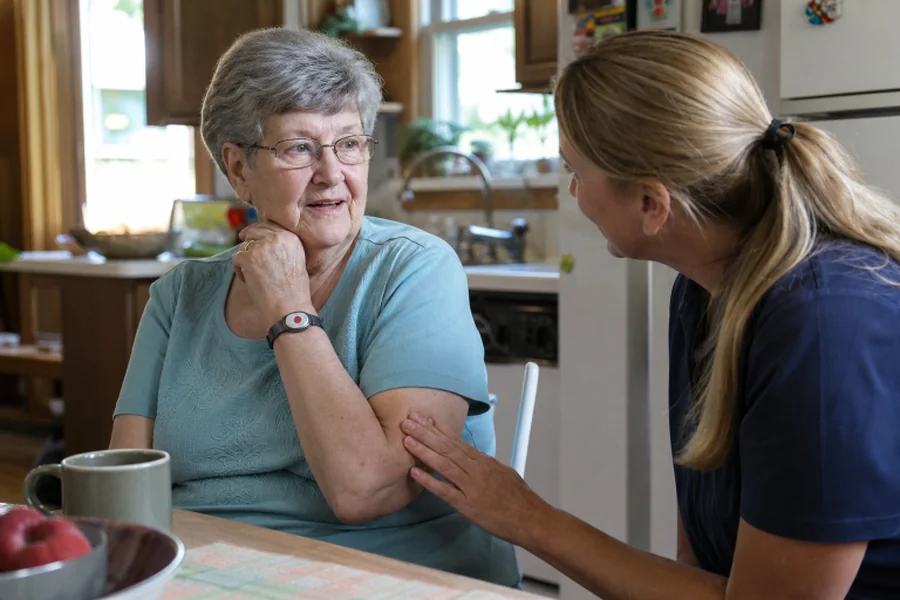
Independent living often depends on small practical decisions that make it easier to get help quickly when something goes wrong. A medical alert bracelet can provide an accessible way to call for assistance when a phone is across the room, a person is injured, or stress makes it hard to think clearly.
The goal is not to choose the device with the longest feature list. It is to find wearable support that fits naturally into the wearer’s life, is easy to operate, and connects to a clear plan for what happens after an alert.
- Why Wearable Support Matters
- Who May Benefit From Wearable Support?
- Main Types of Wearable Emergency Tools
- Features Worth Comparing
- Why Comfort Affects Daily Use
- How Fall Concerns Fit Into the Decision
- Privacy and Personal Information
- Building a Caregiver Response Plan
- A Simple Shopping Checklist
- Common Questions
- Final Thoughts
Why Wearable Support Matters
A wearable emergency device provides a help option on the body rather than relying on someone being near a phone. That can matter after a fall, during sudden weakness, or when a person feels confused or unwell. It also gives families a more organized way to respond without taking away the wearer’s independence.
Fall planning deserves special attention. The CDC reports that more than 14 million adults age 65 and older, about one in four, report falling each year. Its guidance on older adult falls data reinforces why prevention and a quick response plan should work together.
Who May Benefit From Wearable Support?
There is no single profile for a wearable emergency device. It may be helpful for older adults who live alone, people with balance or mobility concerns, and individuals managing conditions that can cause sudden symptoms. It can also support someone recovering from surgery, illness, or injury.
People who garden, walk, boat, drive often, or spend time working outdoors may value mobile coverage and location sharing. Family caregivers may benefit as well, especially when everyone agrees in advance on who receives alerts and what steps to take.
Main Types of Wearable Emergency Tools
- Wrist-worn devices: Often easy to reach and familiar for people who already wear a watch.
- Pendants: A good option for people who dislike wristbands or need a larger, easier-to-press button.
- Mobile devices: Designed for users who want protection beyond the home.
- Smartwatch-style tools: May combine alerts with calling, fitness, reminders, and other daily functions.
- Medical ID jewelry: Can display key health information, though it may not include emergency calling or two-way communication.
Features Worth Comparing
Start with the moments when help would be needed most. Can the wearer find and press the button without looking? Is there a speaker and microphone for two-way communication? Does the device work only in and around the home, or wherever cellular service is available?
Also compare location capability, water resistance for bathing or rain, charging frequency, accidental-alert cancellation, setup charges, monthly costs, and contract terms. A simple device that performs reliably is usually more valuable than a complex one that is difficult to maintain.
Why Comfort Affects Daily Use
An emergency tool cannot help if it stays on a nightstand. Weight, band material, clasp design, button size, and skin comfort all influence whether it is worn consistently. Before committing, try the device while getting dressed, sitting, sleeping, walking, and using the bathroom.
For example, a person with arthritis may prefer a lighter pendant with a large button over a feature-rich watch with a small side control. Consider swelling, tremors, limited hand strength, and whether the device can be put on independently.
How Fall Concerns Fit Into the Decision
Automatic fall detection is different from a manual help button. It may be useful when a wearer cannot press for help, but no system detects every fall or avoids every false alert. The wearer should press the button whenever possible and should not assume detection is guaranteed.
Wearable support works best alongside prevention. Improve lighting, secure handrails, remove loose rugs, wear stable footwear, review medications with a clinician, and ask about strength or balance exercises. The National Institute on Aging also provides practical advice about aging in place and making a home safer.
Home, Outdoor, and Travel Needs
Think through the places where the device will actually be used. At home, test coverage in bathrooms, stairways, the basement, garage, and yard. For outdoor use, consider distance from the home and potential signal barriers. In rural areas, confirm cellular coverage before selecting a mobile option.
Travelers should review service areas, charging needs, and contact settings before leaving. Drivers should consider whether the device is reachable during a roadside emergency, rather than stored in a bag or glove compartment.
Privacy and Personal Information
Read the privacy policy before enrolling. Understand what health details, location information, and emergency contacts are stored, who can access them, and when information is shared during an alert. Provide details that improve emergency response, but avoid adding unnecessary information.
Review the account whenever medications, diagnoses, addresses, or contacts change. Accurate information can reduce confusion when help is needed.
Building a Caregiver Response Plan
- Select two or three reliable emergency contacts.
- Record the home address, access instructions, preferred hospital, and key health details.
- Decide who responds first after an alert and who follows up.
- Practice using the device before an emergency occurs.
- Test alerts, audio, battery status, and contact information on a regular schedule.
- Review the plan every few months.
A Simple Shopping Checklist
- Comfortable for all-day wear.
- Easy button or voice controls.
- Reliable signal where the wearer spends time.
- The wearer can manage the battery routine.
- Water protection suited to daily activities.
- Clear pricing, understandable instructions, and accessible customer support.
- Simple testing and a dependable emergency-contact process.
Common Questions
Does everyone who lives alone need a wearable emergency tool?
No. The decision depends on health, mobility, support networks, home design, and personal preference. A healthcare professional can help assess individual risk and needs.
Can a smartphone replace a wearable device?
Sometimes, but a phone may not be within reach after a fall. A wearable tool remains accessible because it stays on the body.
Is automatic fall detection always accurate?
No. It can be useful, but it should be treated as an added layer of support, not a substitute for a manual alert button and a well-practiced emergency plan.
Final Thoughts
The best wearable emergency support fits the person rather than forcing them to change their daily habits. Prioritize comfort, simple operation, dependable communication, and a response plan that everyone understands. When combined with fall prevention, a safer home, and regular health reviews, the right device can support confident, independent living.
