
 James
James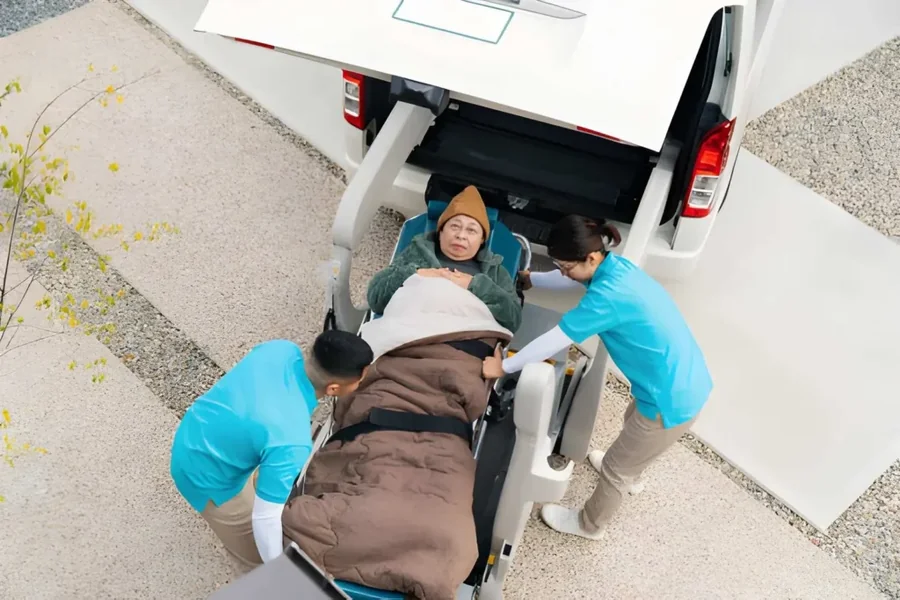
Moving someone who is ill or recovering from one city to another can become complicated very quickly. A trip that looks manageable on a map may feel completely different when the passenger cannot sit upright for several hours, needs oxygen, has difficulty walking, or has medications that must be taken at specific times.
That is why long-distance medical travel needs a little more planning than an ordinary road trip. The goal is not simply to get from one address to another. The patient needs to arrive safely, without turning the journey itself into another health problem.
Before making arrangements, it helps to work through the practical details one at a time.
Start With the Patient’s Current Condition
The first question should be simple: what will the patient actually need during the trip?
Someone who can comfortably sit in a regular vehicle for several hours has very different transportation needs from a person recovering from surgery or someone who must remain in a reclined position.
Write down the information that is likely to matter during travel. This may include current medications, oxygen use, mobility limitations, fall risk, recent procedures, allergies, and any problems the patient has with sitting for extended periods.
It is also worth asking the treating clinician whether there are specific travel precautions to follow. For example, the patient may need to change position regularly, avoid going too long without fluids, or have certain symptoms monitored during the journey.
These details can make the choice of transportation much clearer.
A family car may work perfectly well for an independent passenger who only needs occasional rest stops. It is much less suitable when someone needs stretcher positioning, medication assistance, or closer observation. In those situations, families may consider professional long-distance patient transport services equipped for non-emergency medical travel and capable of accommodating needs that ordinary passenger vehicles cannot.
The important distinction is that this type of transportation is intended for planned, non-emergency trips. A person experiencing an active medical emergency needs emergency medical care instead.
Think Beyond the Number of Miles
Distance matters, but it is not the only factor when choosing between ground and air transportation.
For many stable patients, ground travel has some practical advantages. There are fewer transfers, the trip can sometimes be paced around the patient’s needs, and breaks may be easier to arrange. Medical ground vehicles can also provide more room for equipment, mobility devices, or positioning support.
A long drive can still be tiring, though. Eight hours on the road is very different for a healthy passenger than for someone dealing with pain, limited mobility, or a recent procedure.
Air travel may reduce the time spent moving between distant cities, but it brings another set of considerations. The patient still has to travel to the airport, move through terminals, board the aircraft, get off at the destination, and then travel from the airport to the final facility or home.
For some patients, those repeated transfers are harder than spending additional time in a properly equipped ground vehicle.
Cabin conditions may also matter for certain medical conditions. If there is any doubt about whether flying is appropriate, the patient’s medical team should be involved in that decision.
Try to Limit Transfers
One detail that families sometimes underestimate is how physically demanding transfers can be.
Getting into a wheelchair, moving from a wheelchair to another seat, transferring onto a stretcher, and then repeating the process at the destination can be exhausting. For someone who is weak or in pain, each transfer can also increase the risk of a fall or injury.
Whenever possible, plan the trip from the patient’s bed or room at the starting location all the way to the final destination.
Check the practical details before travel day. Is there an elevator? Can a stretcher fit through the entrance? Is there somewhere for the vehicle to stop close to the door? Will staff be available when the patient arrives?
These sound like small questions until a transport team reaches a building and discovers that the normal entrance is inaccessible.
If the patient normally uses a special cushion, brace, walker, positioning wedge, or other mobility aid, make sure it travels with them rather than being packed somewhere difficult to reach.
Keep Important Medications and Records Close
Anything the patient may need during the trip should stay accessible.
Do not bury medications in a suitcase that will be stored away from the passenger. Keep the medicines required during the expected travel period together, along with a current medication list and dosing schedule.
Delays happen, so having a reasonable backup supply can also prevent unnecessary problems.
The same applies to medical equipment. Chargers, oxygen-related supplies, mobility equipment, and other necessary items should be checked before departure.
A basic folder of medical information can be useful as well. Depending on the situation, it may contain medication information, allergies, recent care instructions, relevant medical records, emergency contacts, and details about the facility or clinician receiving the patient.
Even when information is available electronically, having essential details readily available can make communication easier if something changes during the trip.
Plan for Comfort, Not Just Transportation
A medically stable passenger can still have an uncomfortable journey.
Long periods in the same position may lead to stiffness, pain, skin pressure, or fatigue. Some patients may need scheduled repositioning or restroom breaks. Others may become nauseated in moving vehicles.
Those concerns are better discussed before departure than discovered halfway through the trip.
Comfort can also mean something different for patients with memory problems, dementia, anxiety, or confusion. A familiar blanket, music, photographs, or having a trusted family member nearby may make an unfamiliar trip less upsetting.
If a caregiver is traveling with the patient, it helps to agree on responsibilities beforehand. The caregiver may assist with reassurance, personal preferences, or communication, while trained personnel handle the medical aspects of the trip.
Clear expectations make the journey easier for everyone involved.
Check Costs and Coverage Early
Non-emergency medical transportation is not automatically covered by every insurance policy.
Coverage can depend on why the transportation is needed, the type of service used, medical necessity, distance, and the patient’s individual plan. Families should verify benefits directly rather than assuming that a particular service will be reimbursed.
If insurance authorization is required, deal with it as early as possible.
When requesting a transportation quote, ask what the price actually includes. A low initial estimate may not tell the whole story if equipment, waiting time, extra mileage, additional personnel, or other services are billed separately.
It is also useful to ask what happens if the trip takes longer than expected. Traffic, weather, road closures, appointment delays, and slow facility discharges can all change the schedule.
Confirm the Details the Day Before
A final check can prevent many travel-day problems.
Confirm the pickup location, destination, contact numbers, departure time, and expected arrival window. Make sure the receiving facility or family member knows when the patient is expected.
Review medication times again and check that necessary equipment is ready.
It also helps to make sure everyone knows who should be contacted if the schedule changes. When several family members, facilities, and transportation staff are involved, conflicting information can easily create confusion.
Making a Long Medical Journey Easier
There is no single transportation option that is right for every patient.
For one person, traveling in a family vehicle with frequent breaks may be completely reasonable. Another may need a vehicle that allows them to lie down throughout the trip. Someone else may require trained personnel nearby for the entire journey.
The safest choice depends on the patient’s condition, the distance involved, the amount of assistance they need, and what their medical team recommends.
Planning those details beforehand may take more effort, but it can prevent a difficult trip from becoming unnecessarily stressful. When transportation is matched to the patient’s actual needs, the journey becomes much more manageable for both the patient and the people caring for them.
