
 James
James
In the peak of the summer, having a comfortably cool home may require all-day efforts. It becomes hot in the rooms earlier, cooking in the kitchen is a hassle, and by nighttime, the furniture and walls seem to store all the heat accumulated during the day.
Sure, air conditioning can help to stay cool, but the issue of feeling comfortable in your home is not only about your thermostat setting. What you wear, when you open the windows, how much sunlight gets into your house, and what you use as an appliance during the hottest times of the day can influence the quality of the heat day. The best way to stay comfortable is usually to prevent unnecessary heat from coming inside first and then deal with it.
Choose Your Clothes According to the Inside Temperature
It is obvious advice but sometimes we forget to think about the way our clothes affect us at home. Heavy clothes, tight-fitting pants, and outfits picked just to look good do not make you feel any better in the hot room. A light summer dress or a simple outfit inspired by beach dresses can make sense indoors because light and comfortable clothes allow adapting yourself to the temperature first and then cooling down the house.
The same advice goes for the whole day. Change the sweaty sport clothes faster, avoid unnecessary layers, and wear clothes and bedding appropriate for hot nights. There is no need to suffer because of clothes that could be worn only on cool days.
Keep Your House from Heating up
When the room has become very hot, cooling it can require more effort than preventing it from heating up. Window openings, getting direct sunlight, are an obvious point to start. Darken your windows before the strong sunlight starts to heat the room.
Window orientation is important, so you do not need to darken all the windows every day. Focus on those rooms that get the morning or afternoon sunlight and adjust the coverings according to that. Exterior shading can be very effective as it prevents the sunlight from reaching the room.
Like the windows, it is important to pay attention to their openings. Opening all the windows during a hot afternoon can bring into your house warmer outdoor air, not cool it. When outdoor conditions are warmer than indoors, the idea is to keep the warmer air out and to open the windows when the temperatures become cooler.
The idea here is to cooperate with the temperature cycles of the day instead of considering windows just the part that should remain open all summer.
Reduce the Heat You Create in Your House
In case the air in the house is already hot, the last thing that your house needs is additional heat. Ovens, stovetops, clothes dryer, powerful computers, lights, and other electrical appliances can generate extra heat in the rooms.
Try to move those heat-producing activities to the cooler parts of the day. For example, instead of preparing a meal that requires the usage of the oven for an hour, it is better to choose a meal that can be cooked faster. Laundry can be done in the evening, and those devices that are not used should be turned off.
Cooking outdoors can be an alternative if you have the opportunity for that, but even simple changes in the menu can help. Cold food, salads, fruit, and dishes that do not require cooking in the oven can decrease the time that the kitchen becomes a source of heat.
These tips will not make your house cold in case of heat waves, but summer comfort is usually based on many little things.
Adjust Your Evening Routine to the Summer Conditions
After spending the whole day in the hot air, it is annoying to get into an uncomfortable house in the evening. But instead of waiting till the moment of going to bed, try to change the conditions of the house when the temperature decreases. Open the appropriate windows and use the fans to cool the occupied rooms.
Your routine after the shower can change according to the temperature as well. Winter clothes that felt good in the cold weather become unbearable in August, so some lighter clothes will be a better choice. Even if you love the look of luxurious pink robes, summer is a great time to realize that fabric weight, room temperature, and duration of wearing the clothes matter as well as their style.
The bedrooms require special attention before bedtime and not after it. Keep the strong sunlight out where possible, turn off unnecessary electronics, and change the heavy bedding to the lighter one according to the season.
Use the Fans Only Where You Spend Your Time
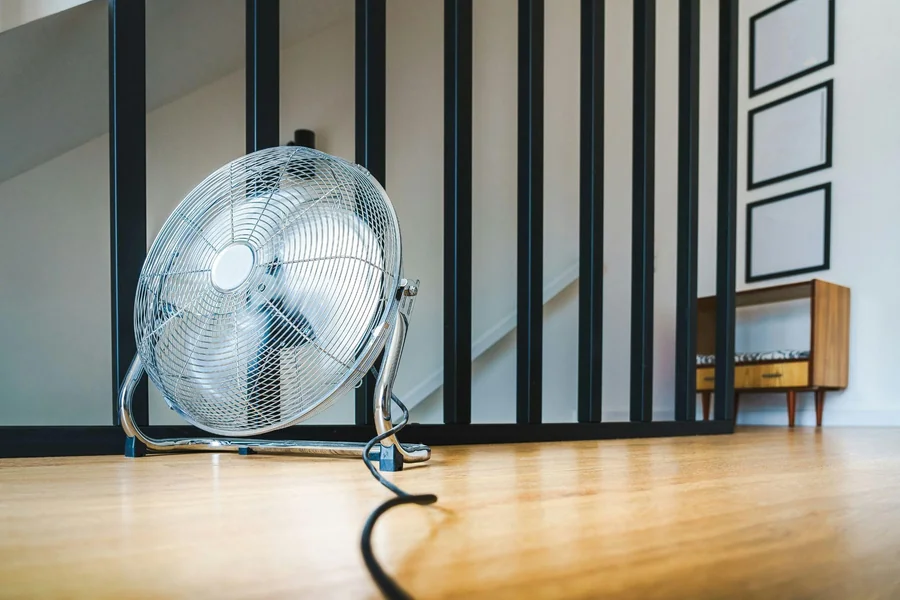
The fans are useful because moving the air allows feeling cool for the person in front of them despite the fact that fans do not lower the room temperature. This point can be helpful while using them effectively.
Do not leave the fans in the empty rooms. During the evening, they can help to move the cool outdoor air through the house when the conditions allow that.
If you have ceiling fans, check whether they are adjusted to the summer usage. Also, avoid unnecessary obstruction of the airflow of the portable fans.
Air conditioning and fans can work in coordination as well. You may discover that comfortable air movements can help to increase the thermostat setting a bit and do not try to make the whole house cooler.
Change the Rooms Where You Spend the Hottest Hours
Not all rooms heat equally fast. The upstairs bedrooms, the rooms with badly insulated roof and rooms with big windows that face the sunlight can become significantly warmer than the shaded places in the house.
Instead of trying to make all the rooms the same temperature, spend some time in the naturally cooler rooms. Spending some time at the dining table or in the downstairs room instead of trying to cool an upstairs office can be more comfortable.
The same thing can be done at night. During the most severe heat wave, it can be more comfortable to spend one or two nights in the coolest part of the house instead of trying to use a bedroom heated throughout the day.
Summer comfort is not so much about the one clever cooling trick but about timing. Prevent the strong sunlight from coming into the house before it comes, avoid unnecessary heat during the peak hours, ventilate when the outdoor air becomes cooler, and adapt yourself to the conditions.
Those actions can seem insignificant separately but taken together they can make your hottest days more comfortable without turning the whole summer into constant battle with the thermostat.
