
 James
James
Choosing a push mower for a small yard starts with finding the fit. You want a mower that moves easily cuts well takes up space when stored and works well for your type of grass. A small lawn doesn’t always need the mower but it should have the right mix of deck size, weight cutting height and ability to manage grass clippings. Before you buy think about your yards shape, any slopes or obstacles how thick the grass is and where you’ll store the mower. The best push mower should let you mow regularly without much effort feel comfortable to use and be easy to do again and again.
- Match the Mower Type to Your Yard
- Check the Yard Features Before You Buy
- Lawn Size, Shape and Tight Corners
- Slopes, Uneven Ground and Obstacles
- Grass. Cutting Frequency
- Compare Key Push Mower Features
- Deck Width for Small-Yard Efficiency
- Cutting Height Options for Healthier Grass
- Weight, Handle Comfort and Maneuverability
- Mulching, Bagging and Side Discharge Choices
- Think About Storage, Maintenance and Budget
- Foldable Handles and Compact Storage Needs
- Battery Care, Blade Care and Cleaning
- Noise, Emissions and Neighborhood Fit
- Conclusion
Match the Mower Type to Your Yard
Small yards usually work well with reel mowers, corded electric mowers, battery push mowers, or compact powered models. Reel mowers suit lawns with fine grass and frequent cutting. Corded models work well near outlets but the cord can limit movement. Battery mowers offer quieter operation and more freedom. Powered push or self-propelled models help when grass is thicker or the yard has slopes. Choose the mower type that matches your effort, lawn condition, storage limits and how often you plan to mow.
Check the Yard Features Before You Buy
Lawn Size, Shape and Tight Corners
Before buying a mower measure the grass area. If your yard is small and has a square shape you can go with a mower that has a slightly wider cutting deck.. If your yard is long and narrow with lots of tight corners you’ll need a more compact model. Check for things like fences, flower beds, trees, patios and gates. A mower that can easily turn around these obstacles will help you save time and cut down on the trimming you need to do after each mowing session.
Slopes, Uneven Ground and Obstacles
Walk around the yard. Look for any slopes, low spots, upraised roots, stones, edges, toys or garden elements. A lighter mower is easier to push up hills and maneuver in areas but it still needs to be stable on uneven ground. Big rear wheels, balanced weight and easy steering make it easier to handle. Pick a mower that feels easy to use when tackling the parts of the lawn.
Grass. Cutting Frequency
The thickness of the grass determines the power and blade quality you need. If you have grass that you cut every week a basic mower might be sufficient.. If the grass is thick or grows quickly you’ll need a mower with stronger cutting power and sharper blades. If you mow regularly a lighter model could work. However if you don’t mow often pick a mower that can handle taller grass without leaving clumps behind.
Compare Key Push Mower Features
Deck Width for Small-Yard Efficiency
Deck width determines how grass the mower cuts in one go. A wider deck can cover areas quickly but it might be hard to maneuver around corners, flower beds and narrow paths. If you have a yard pick a deck that offers a good mix of speed and ease of use. Smaller decks work better for spaces while larger decks are ideal for simpler layouts.
Cutting Height Options for Healthier Grass
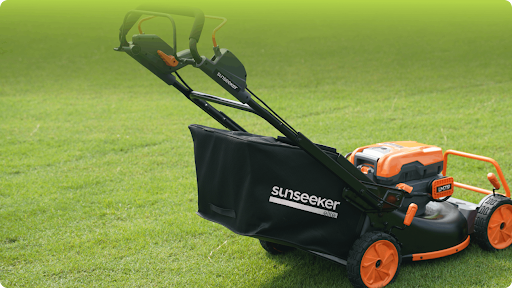
Cutting height settings help keep the lawn healthy all year. When its hot, dry or the grass is growing thick it’s better to cut it.. For areas that need to look tidy cutting it lower works well. The Sunseeker Elite plug-in connect push mowers let you adjust the cutting height between 1 inch and 3.5 inches. They also offer three options for handling the grass: mulching, throwing it back or collecting it in a bag.
Weight, Handle Comfort and Maneuverability
In a yard weight is important because you might need to turn the mower often lift it over edges or move it through gates. A comfortable handle helps reduce strain on your wrists and shoulders. An adjustable handle height lets different people use the mower with posture. Try to see how easily the mower turns and rolls. Good maneuverability makes mowing less tiring. Helps you control the mower better around your yard.
Mulching, Bagging and Side Discharge Choices
How you manage grass clippings can impact how clean your lawn looks and how well it stays maintained. When you mulch you let the small pieces of grass go back into the lawn, which helps the grass grow better and cuts down on waste. If you bag the clippings it keeps the lawn looking especially when the grass is long, wet or thick. Side discharge is good for mowing but it can leave clippings scattered on the ground. A mower that offers than one way to handle grass gives people with small yards the flexibility to take care of their lawn during spring, summer and fall.
Think About Storage, Maintenance and Budget
Foldable Handles and Compact Storage Needs
Small-yard owners often store equipment in a garage corner, shed, utility room or narrow outdoor space. Check the mower’s folded size before buying. Foldable handles, vertical storage and a compact body make storage easier. Also consider how heavy the mower feels when lifting or rolling it into place. A mower that stores neatly is easier to protect and use regularly.
Battery Care, Blade Care and Cleaning
Maintenance should fit your routine. Battery mowers need charging and dry storage. Corded models need cable checks. Powered models may need seasonal care. Every push mower needs blades for clean cuts. After mowing remove grass buildup from the deck, wheels and blade area. Regular cleaning improves cutting quality reduces rust risk and helps the mower longer.
Noise, Emissions and Neighborhood Fit
Small yards often sit close to neighbors, windows, patios and shared fences. Noise matters. Reel and electric mowers are usually quieter than gas-powered options. Electric models also avoid exhaust during mowing. If you mow late or near outdoor living areas choose a quieter mower. A neighborhood-friendly model makes lawn care less disruptive and easier to schedule.
Conclusion
The push mower for a small yard should be easy to handle simple to store and strong enough, for your grass. Begin by picking the type of mower then consider your yard’s size, shape, slopes, obstacles and how thick the grass is. Next look at the deck width cutting height, weight how comfortable the handle is and the clipping options. Don’t forget about storage space, how maintenance it needs how noisy it is and your budget. Choosing the mower will make taking care of a small yard quicker, cleaner and more comfortable all season long.
