
 James
James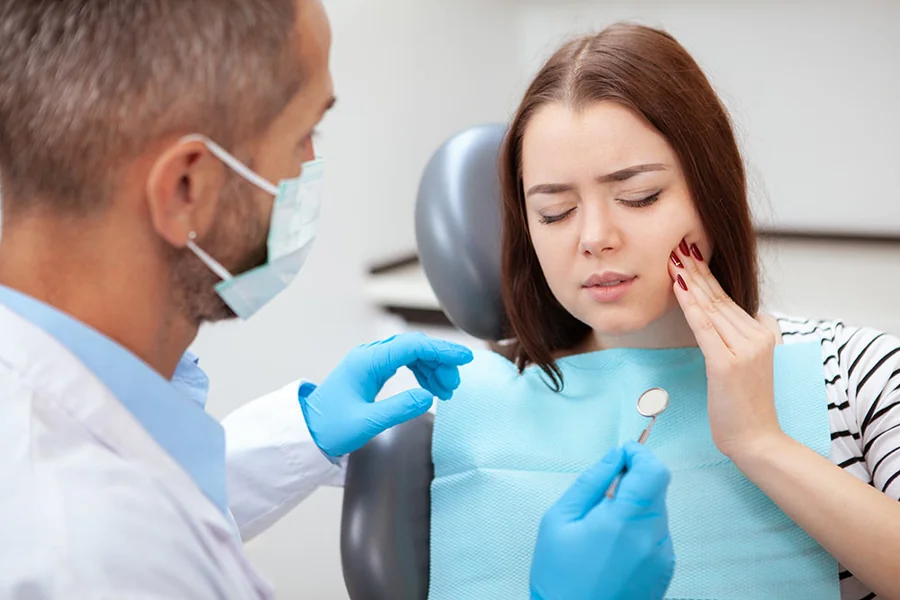
Pain in the teeth is unpredictable and the first question that each patient will have concerns time. Other issues resolve by a rinse and a pain reliever until the next available slot. Some even destroy bone or nerve tissue or a complete tooth within hours. The difference between the two groups is narrowed to a few obvious physical features. In this article, real emergencies and routine complaints are differentiated, particularly in Meadows, and the measures that save a tooth during the crucial first hour are described.
Signs That Demand Same-Day Care
A dentist Meadows reserves daily slots for cases that meet a short list of clinical triggers. The signs below all justify a same-day call rather than a wait until the next routine opening:
- Facial swelling that spreads toward the eye or the neck signals infection on the move through soft tissue
- Pain that wakes a patient from sleep points to nerve involvement rather than simple surface sensitivity
- Bleeding that continues past twenty minutes of firm gauze pressure needs professional attention without any delay
- A tooth knocked completely out of its socket sits at the top of the list, because the replacement window closes fast
- A fever paired with a swollen jaw indicates that bacteria have already moved beyond the tooth itself
Problems That Wait Safely Until the Next Available Slot
No end of compliments are chilling at the hour of midnight, and regular as daylight. A lost restoration showing no pain, a chipped side of a front tooth, or some mild cold sensitivity all will fall into this category. Eatings between two teeth means actual pain, but a little flossing can remedy the situation at home. Malaise pain that can be treated with over-the-counter drugs is seldom a symptom of active infection. Such patients who differentiate between these cases and actual emergencies leave the clinic slots open to those that require them the most.
How Urgent Cases End Up at Hospital Doors
Emergency departments across the province absorb thousands of dental complaints every year, and the numbers reveal a clear pattern. The health zone recorded a crude rate of 1,979 ED visits related to dental care per 100,000 population during the study period. Hospital staff prescribe antibiotics and pain relief, yet no physician can drain an abscess through the tooth or place a permanent restoration. The underlying cause stays untreated, and the same patient returns weeks later with a larger problem. A dental clinic with same-day capacity resolves the source in one appointment.
Steps for the First Hour After Trauma
The first sixty minutes are a time to act and save the survival of a broken tooth. The following steps are to be used on the most typical cases of trauma:
- Treat a knocked-out tooth by the crown, but never by the fragile root surface.
- Wash away debris using cold milk or saline, and omit the tap water and scrubbing.
- Insert the tooth into the socket, or keep it in the milk to get to the clinic.
- Put a bleeding socket under the pressure of firm gauze and leave it there at least twenty minutes.
- Apply a cold compress to a cheek in a cycle of twenty minutes to swell.
Practical Preparation for Households in The Meadows
Planning ahead families in the Meadows are much better equipped to deal with a crisis than improvising-at-midnight families. There is a brief checklist that includes virtually all the situations:
- Put the clinic emergency line on the list of contacts of all families with a name that will be easily found.
- Confirm what might be the weekend and evening hours that the practice maintains to have urgent appointments.
- Have dental insurance information and limits in a single digital folder.
- Keep a home First Aid box with store sterile gauze, a small sealed container, and cold pack.
A dentist in Meadows treats urgent cases daily, and quick recognition of true emergencies protects both the tooth and the household budget. One tip adds real value: store a small emergency kit with sterile gauze, a sealed container, and the clinic phone number in the car and the home. That kit turns a frantic half hour into a calm response, and calm responses save far more teeth than speed alone.
