
 James
James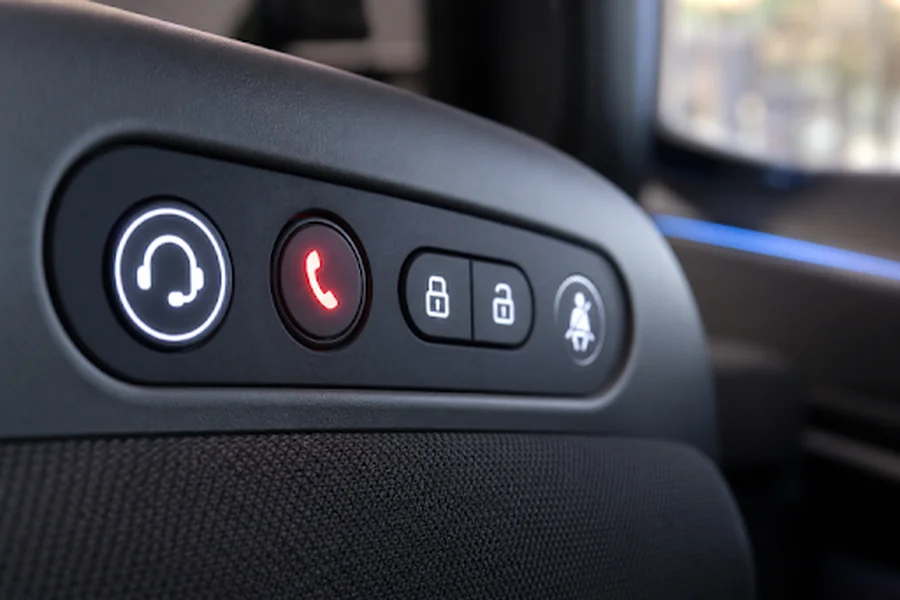
Driverless rides are no longer limited to test tracks and technology demonstrations. In select service areas, a robotaxi can now be a practical option for getting to work, reaching a transit station, running errands, or traveling across a neighborhood without a human driver in the front seat. That does not mean every street, city, weather condition, or passenger need is ready for fully driverless travel. Robotaxis work within defined operating areas and rules, so riders and local leaders need to understand both their potential and their limits.
What Are Robotaxis?
A robotaxi is an on-demand, comfortable car that uses a vehicle designed to transport passengers without a driver. This differs from the driver-assist era, where a certified human driver controls the vehicle on the road. Robotaxis combine structures with cameras, sensors, on-board computers, detailed maps, and remote support teams to help when a vehicle encounters an unusual situation. Most offerings are intentionally limited. The process can also be selective through neighborhood, time of day, local codes, building style, and climate. These limitations are a feature, not always a disadvantage, because they help operators maintain the machine as a carrier under conditions it’s designed to withstand.
How A Robotaxi Ride Works
The process is similar to stylish rideshare bookings; however, riders must pay interest near pick-up instructions. A typical journey involves requesting a ride through a recognized app, checking the vehicle details, meeting the driver at a designated pickup area, confirming the ride on the display screen or in the app, fastening the seat belt, and exiting the vehicle after it stops in a safe place. Look for door controls and any bag orders. If the vehicle doesn’t arrive at the ideal location, the app can direct the rider to the nearest safe pickup location instead of stopping in the bike lane, at a bus stop, or in the travel lane.
What Riders Should Expect
The first time can feel strange, especially when the front seats are empty. Most riders will find that the car can also apply gentle pressure, slow down longer in complex turns, and choose conservative routes around heavy traffic. Riders may wish to secure their non-public luggage, verify that young people and partners are seated correctly, and use in-app assistance if desired. Consider a commuter arriving at a train station with a workplace a mile away. A robot taxi, moreover, can complete the short final connection without a long walk, a parking lot, or a non-public car for the entire journey. This is one reason why first- and last-mile trips are often a viable early use case.
Safety Questions Worth Asking
Safety needs careful judgment, not blanket claims that driverless automobiles are consistently safer or consistently less safe than human drivers. Performance can vary by automobile design, operating region, traffic conditions, reporting strategies, and the ability to handle unusual events.
Useful Safety Features
- Easy-to-find emergency and customer-support controls.
- Clear seat belt reminders and secure door operation.
- Instructions for roadside problems, medical issues, and lost items.
- Plans for roadwork, blocked lanes, severe weather, and emergency scenes.
- Coordination procedures for police, firefighters, transit agencies, and street crews.
Normal driving is only part of the challenge. School zones, cyclists, crowded curbs, temporary signs, and emergency vehicles require careful planning because they change quickly and can create unpredictable situations.
How Robotaxis Can Support Public Transit
Robotaxis are most profitable when they improve rather than when they upgrade overcapacity public transportation. They can help people reach train stations, bus stops, hospitals, neighborhoods, airports, and places where planned road traffic is disrupted. Atlanta’s self-sustaining transit tour company shows how computerized vehicles can connect stations to nearby locations along targeted routes. Transit planners should aim for fewer cumbersome transfers, not more discreet vehicle trips. Integrated travel planning, simple payment options, safe sidewalks, proper lighting, easy curbs, and reliable transportation all count as much as the car itself.
Accessibility And Inclusive Design
Driverless is no longer automatically heard. A lucrative service must accommodate wheelchair and scooter users, passengers with impaired vision or hearing, older adults who don’t rely on smartphones, riders with service animals, and those who want more time or help finding the right car. Assistance strategies should also be tested with riders whose movement, sensory, and conversational preferences are sufficient to enhance accessibility from the app to inside the vehicle.
What Cities Need To Plan
Because robotaxis use public streets, city policy directly affects whether service is orderly or disruptive. Cities need designated pickup and drop-off areas, rules for stopping near bus and bike lanes, accessible pedestrian paths, emergency access, and clear communication during street closures or major events. Agencies can also learn from operational data. Jacksonville’s NAVI service data shows why ridership, service reliability, and public feedback should be tracked over time rather than judged solely by a launch announcement.
Privacy, Data, And Trust
Robotaxi tours can generate accurate data through cameras, area mapping, charging equipment, experience stories, and guide interviews. Riders deserve clarity on what is stored, how long it is stored, who can access it, and when it can be shared with third-party events. Trust grows when companies and cities use clear language, establish clean transportation policies, respond quickly to incidents, and ensure boundaries are clear.
A Practical Rider Checklist
- Confirm that the service operates in your area and at your planned time.
- Choose a well-lit pickup point with a clear sidewalk.
- Keep the booking confirmation available until you find the vehicle.
- Locate help, emergency, door, and seat belt controls before departure.
- Secure bags and avoid blocking doors or passenger controls.
- Report damage, unsafe conditions, or confusing instructions.
- Make sure every passenger has exited before ending the trip.
The Road Ahead
Robotaxis in carefully managed conditions are part of normal transport, but their long-term value will depend on more than software alone. Reliable operation, available infrastructure, public monitoring, consistent management, and strong connectivity with buses and trains will determine whether these services merely adorn mobility. Beautiful techniques can focus mainly on routes, learn from real riders, and are best amplified when the transport company works for the wider network.
Conclusion
Robotaxis could provide a new mode of travel, especially for fast-paced commuters and connections to public transportation. But adoption depends on more than driverless time. Riders often want mobile boundaries with clear messaging, accessible vehicles, reliable assistance, and open records. Cities need thoughtful planning for space constraints, emergency response, accessibility, site visitors, privacy, and privacy. While the robotaxi proposal requires a greater, sustained effort, public comment, clear reporting, and responsible oversight can help ensure self-driving is developed in a way that is sensible, safe, and beneficial to those groups.
