
 James
James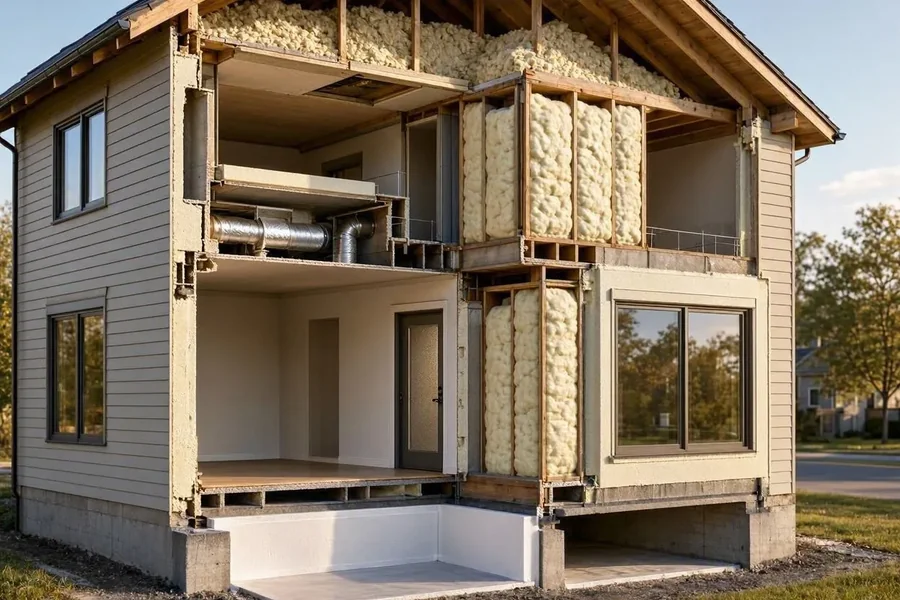
A whole-home insulation upgrade can make a house feel more even, quieter, and easier to heat and cool, but the best results come from planning the building as a system. For homeowners seeking local diagnostic and installation support, Net Zero is the website for NetZero Insulation, a Denver-area, BPI-certified insulation contractor offering energy audits, attic insulation, air sealing, crawl-space work, wall insulation, and fiberglass, cellulose, and spray foam applications. Its broad retrofit experience across the Denver metro area makes it a useful resource when comparing solutions for comfort and energy performance. Do not assume that one cold room means you simply need more insulation above it. Drafts, uneven temperatures, cold floors, high utility bills, dusty rooms, and uncomfortable spaces over garages can result from several connected problems, including attic bypasses, leaky ducts, rim joists, crawl-space conditions, or poorly insulated walls.
- Start With a Home Energy Assessment
- Seal Air Leaks Before Adding Insulation
- Choose Upgrade Areas in the Right Order
- Compare Fiberglass, Cellulose, and Spray Foam
- Build a Practical 2026 Budget
- Plan for Local Climate and Building Conditions
- Questions to Ask Before Hiring an Insulation Contractor
- Common Questions Homeowners Ask
- How do I know if my home needs more insulation?
- Should air sealing come before insulation?
- Is spray foam always better than fiberglass?
- Can insulation improve indoor air quality?
- Conclusion
Start With a Home Energy Assessment
An energy assessment helps identify where the house is losing conditioned air and where insulation is thin, missing, damaged, or installed unevenly. A thorough evaluation may include a blower door test, thermal imaging, inspection of the attic and crawl space, moisture checks, a review of utility use, and a look at ducts, vents, and combustion appliances. This approach prevents expensive guesswork.
Seal Air Leaks Before Adding Insulation
Insulation slows heat transfer. Air sealing limits the uncontrolled movement of outdoor air into the house and conditioned air out of it. Both matter, but installing new insulation over large leaks can leave comfort issues unresolved.
Common locations for air leaks include:
- Attic hatches, pull-down stairs, recessed lights, and ceiling penetrations
- Openings around plumbing, wiring, ducts, and vent pipes
- Top plates, wall-to-ceiling joints, and soffits
- Rim joists, foundation gaps, exterior doors, and window frames
For example, an attic with low insulation and many open penetrations may improve more from air sealing plus targeted blown-in insulation than from simply adding another layer over the existing material. Air sealing should also be balanced with appropriate ventilation, especially when a home has combustion equipment or existing moisture concerns.
Choose Upgrade Areas in the Right Order
Every home is different, but many projects follow a sensible sequence:
- Correct active roof leaks, plumbing leaks, mold, pest damage, or crawl-space moisture.
- Address major air leaks and safety issues.
- Improve underinsulated or uneven attic coverage.
- Insulate rim joists, crawl spaces, and cold floors where appropriate.
- Evaluate exterior walls during remodeling, drywall work, or siding replacement.
- Target rooms over garages when their floors, walls, or adjacent ducts create persistent discomfort.
This is a framework, not a universal rule. A wet crawl space, unsafe electrical condition, or blocked roof ventilation should be resolved before insulation is added.
Compare Fiberglass, Cellulose, and Spray Foam
No single material is best for every area. The right choice depends on access, available depth, moisture conditions, air-sealing needs, local code requirements, and budget.
- Fiberglass: Available in batts and blown-in forms. It can be a practical option for accessible attics, floors, and walls when coverage is complete and gaps are avoided.
- Cellulose: Commonly used for blown attic insulation and dense-pack wall retrofits. It can fit irregular spaces well when installed at the correct density and depth.
- Open-cell spray foam: Expands into uneven cavities and can provide useful air sealing in certain assemblies.
- Closed-cell spray foam: Delivers high R-value per inch and may suit limited-space areas, but it requires careful attention to moisture control, fire protection, and ventilation details.
Compare the entire assembly, not just an R-value on a product label. Installation quality, insulation depth, air sealing, ventilation baffles, and moisture management all affect long-term performance.
Build a Practical 2026 Budget
Project costs can vary substantially based on square footage, accessibility, removal of existing insulation, contamination or pest damage, material choice, target R-value, air sealing, ventilation changes, and electrical work. Ask for itemized estimates that separate preparation, removal, sealing, insulation, cleanup, verification, and warranty coverage. Rebates may be available through utilities, state programs, or other efficiency initiatives, but eligibility can depend on income, location, equipment, contractor requirements, and project timing. Confirm program rules in writing before treating a rebate as part of your final budget.
Plan for Local Climate and Building Conditions
Climate, home age, roof design, humidity, and heating and cooling patterns should shape the scope. Homeowners in the Denver area often need to account for cold winter nights, sunny days, dry air, and significant temperature swings. In these conditions, attic insulation, air leakage, crawl-space performance, and rooms above garages can all have an outsized effect on comfort.
Questions to Ask Before Hiring an Insulation Contractor
- Will you inspect the home and identify the largest leaks before recommending materials?
- What R-value and installation method do you recommend, and why?
- Will you remove wet, damaged, or contaminated insulation?
- How will you protect attic ventilation and address moisture risks?
- Are there combustion-safety, electrical, pest, or mold concerns to resolve first?
- How will the completed work be checked, and what does the written warranty include?
Common Questions Homeowners Ask
How do I know if my home needs more insulation?
Low insulation depth, bare spots, uneven room temperatures, drafts, cold surfaces, and unusually high heating or cooling use are common clues. An inspection provides a more reliable answer than a quick visual check.
Should air sealing come before insulation?
In many attic and crawl-space projects, yes. Sealing major openings first helps new insulation perform more consistently and can reduce drafts.
Is spray foam always better than fiberglass?
No. Spray foam can be valuable in tight or irregular areas, while fiberglass can be an effective, cost-conscious choice in open and accessible spaces. The building assembly should determine the material.
Can insulation improve indoor air quality?
Insulation does not clean indoor air on its own. However, proper air sealing, controlled ventilation, moisture management, and removal of damaged insulation can support a healthier indoor environment.
Conclusion
A successful whole-home insulation upgrade starts with diagnosis, not simply choosing a material. Identifying moisture problems, air leaks, ventilation concerns, and safety issues first helps ensure that new insulation performs as intended. After those conditions are addressed, homeowners can focus on sealing major air leaks, improving insulation in the highest-impact areas, and comparing detailed scopes of work from qualified contractors. Taking a whole-home approach often delivers better long-term results than upgrading one area in isolation. With careful planning and a clear understanding of priorities, homeowners can make cost-effective improvements that enhance comfort, protect the home, reduce energy waste, and support greater durability and energy efficiency throughout 2026 and beyond.
