
 James
James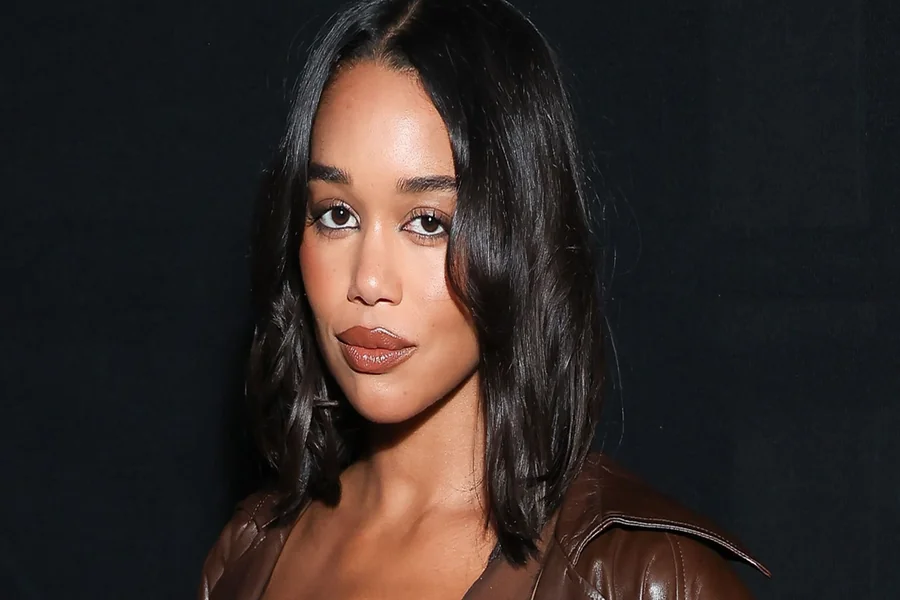
Most people style their outfits from the collar down. Big mistake. The silhouette your hair creates above the shoulders sets a visual frame before anyone clocks your jacket, your neckline, or your shoes. Get the cut wrong, and even a great outfit reads as off. Get it right, and a plain white tee and jeans look deliberate. This piece breaks down exactly why hair and clothes are a design system, not two separate decisions, and how to make them work together on purpose.
The Frame Problem Nobody Mentions
Think of your head and shoulders as a picture frame. Whatever shape your hair makes at the edges of that frame determines whether the “painting” inside looks balanced or crowded. A blunt bob cut straight at the jaw creates a hard horizontal line. That line echoes beautifully with structured blazer shoulders or a boat-neck top. Put the same bob over a high ruffle collar, and you’ve stacked two strong shapes at the same height. The eye doesn’t know where to settle.
Volume is the other frame variable. Big, round curls pulled away from the face add width at the top of the frame. That balances out A-line skirts, tapered trousers, anything that draws emphasis toward the hips. Flat, close-cropped hair does the opposite: it makes a wide-shoulder power jacket look even stronger because nothing is competing with it at the crown.
This is the Neckline-to-Neckline Rule, and it’s the most useful single idea in the whole piece. Your hair’s hemline and your garment’s neckline should either rhyme or deliberately contrast. They should never just accidentally collide. A V-cut neckline on a dress echoes a V-shaped layered haircut because both point inward and downward. A crew neck tee and a round, full bun mirror each other in geometry. When the two necklines fight, you feel it, even if you can’t name it.
Texture Talks to Fabric
Hair texture is fabric. Sleek, straight hair reads like silk or poplin. Loose, beachy waves read like linen. Tight coils read like bouclé or wool bouclé. Your brain processes both in the same half-second scan, so mismatching them creates subconscious static.
Sleek hair with very sleek clothes works, but it risks looking flat. The fix is one point of contrast: a chunky knit, a textured leather jacket, or a piece with pattern. Wavy hair over a crisp Oxford shirt is its own quiet contrast, which is why it photographs so well; the softness of the hair breaks the stiffness of the fabric without requiring any extra accessory work.
Tight, defined coils carry visual weight. They can hold their own against bold prints, heavy textures, and layered looks that would overwhelm finer hair types. If you wear a lot of maximalist patterns, this is genuinely an advantage. The hair grounds the look rather than adding to the visual noise.
Length Changes the Proportions of Everything Below It
Hair length is proportion math. Shoulder-length hair cuts the body at a specific horizontal. Whatever garment sits at that same horizontal gets a second slice of attention. That’s why a shoulder-length cut and an off-shoulder top can compete: two strong things happening at the same latitude on the body.
Long hair falling past the collarbone draws the eye downward and elongates the torso. It works especially well with high-waisted bottoms because the vertical pull of the hair and the lifted waistline create a long continuous line from crown to hip. Short hair, pixie through ear-length, does the opposite. It opens up the neck and shoulders, which makes statement earrings, bold collars, and neckline details land much harder. Stylists refer to this as negative space leverage: the cut creates the empty canvas the jewelry or neckline needs to register.
The global market for hair salon services reflects just how seriously people are starting to take these choices. According to GM Insights’ 2024 industry analysis, the global hair salon services market was valued at USD 71.5 billion in 2023, with demand growth driven largely by consumers seeking personalized styling, not just maintenance. People are treating the salon chair as a style decision, not just a grooming appointment.
How to Find a Cut That Works With What You Already Wear
The clearest way to approach this is to audit what you actually wear most, then identify the shapes those garments create at the shoulder and neckline. Here’s a simple decision framework:
| Your Wardrobe Signature | Neckline Pattern | Cut That Works Best | What to Avoid
|
|---|---|---|---|
| Blazers, structured tops | Lapels, boat necks | Blunt bob, strong geometric cut | Very voluminous styles that compete with shoulders |
| Flowy dresses, linen | V-necks, scoop necks | Soft layers, loose waves, wispy ends | Very rigid, heavily styled blowouts |
| Oversized, streetwear | Hoodies, crews, turtlenecks | Buzzed, cropped, or high bun | Long hair that disappears into the garment |
| Minimalist basics | Simple crew or collarless | Any cut with one strong focal point | Safe, forgettable cuts with no defined shape |
The minimalist basics row is where most people go wrong. They pick a “nothing” cut to match simple clothes, and the entire look becomes invisible. A minimalist wardrobe actually needs a more committed haircut, not a less committed one, because the hair is doing almost all of the style work.
Why the Stylist’s Technical Skill Is Part of the Equation
None of this matters if the cut isn’t executed well. A blunt bob that’s off by a quarter-inch on one side breaks the geometric logic the whole outfit system is built around. A layering pattern that wasn’t designed for your specific texture will fall wrong no matter how well you style it at home.
This is where the skill level of the person cutting your hair becomes a real style variable. The U.S. Bureau of Labor Statistics projects employment of hairdressers, hairstylists, and cosmetologists to grow 6% from 2024 to 2034, faster than the average for all occupations, reflecting genuine and increasing demand for trained technical skill in this space. The market is growing because people are recognizing that a technically precise cut is not a luxury; it’s foundational.
“The best haircut isn’t the most expensive one. It’s the one that was designed for your specific face shape, texture, and lifestyle, and then executed without shortcuts.” This is the operating philosophy shared consistently among instructors in professional cosmetology programs, where students practice precision cutting hundreds of times before working on a paying client.
If you’re in southwest Florida and you want that technical quality without a premium price tag, looking into haircuts in Fort Myers at a professional cosmetology school is a genuinely smart move. Student stylists work under licensed instructor supervision, which means you’re getting a precisely guided cut rather than a rushed one, at a fraction of what a commercial salon charges.
The One Styling Test Worth Doing This Week
Pull out three outfits you wore last week and photograph yourself wearing each one. Then look at where your eye goes first in each photo. If it goes to your face, the hair is working as a frame. If it goes to your collar or your shoulder, something is competing with your face for attention, and that’s almost always a hair-garment conflict.
You don’t need a total wardrobe overhaul or a dramatic cut to fix it. Usually one adjustment does the job: either restyle the hair for that specific garment, or make a note when you’re booking your next cut that you wear a lot of a particular collar type. Tell your stylist. A good one will factor it in immediately. Hair and clothes are the same design decision. The sooner you treat them that way, the less effort every outfit takes.
